
 EN
EN
 ar
ar bg
bg hr
hr cs
cs da
da nl
nl fi
fi fr
fr de
de el
el hi
hi it
it ko
ko no
no pl
pl pt
pt ro
ro ru
ru es
es sv
sv tl
tl iw
iw id
id lv
lv lt
lt sr
sr sk
sk sl
sl uk
uk vi
vi et
et hu
hu th
th tr
tr fa
fa ms
ms hy
hy ka
ka ur
ur bn
bn mn
mn ta
ta kk
kk uz
uz ku
ku
Doublelayer Shielded Test Cable
For delivery and after-sales planning, Kingmach Doublelayer Shielded Test Cable follow the product-page support framework used across the site. Standard in-stock models may ship quickly when available, while customized products follow the contract schedule. Packaging is described as anti-static and shockproof for precision monitoring products, and warranty service applies to non-human-caused damage during the warranty period. Technical response support is also listed in the local product files. These service details are useful when cables are ordered for time-sensitive monitoring work, system repair, or staged installation.
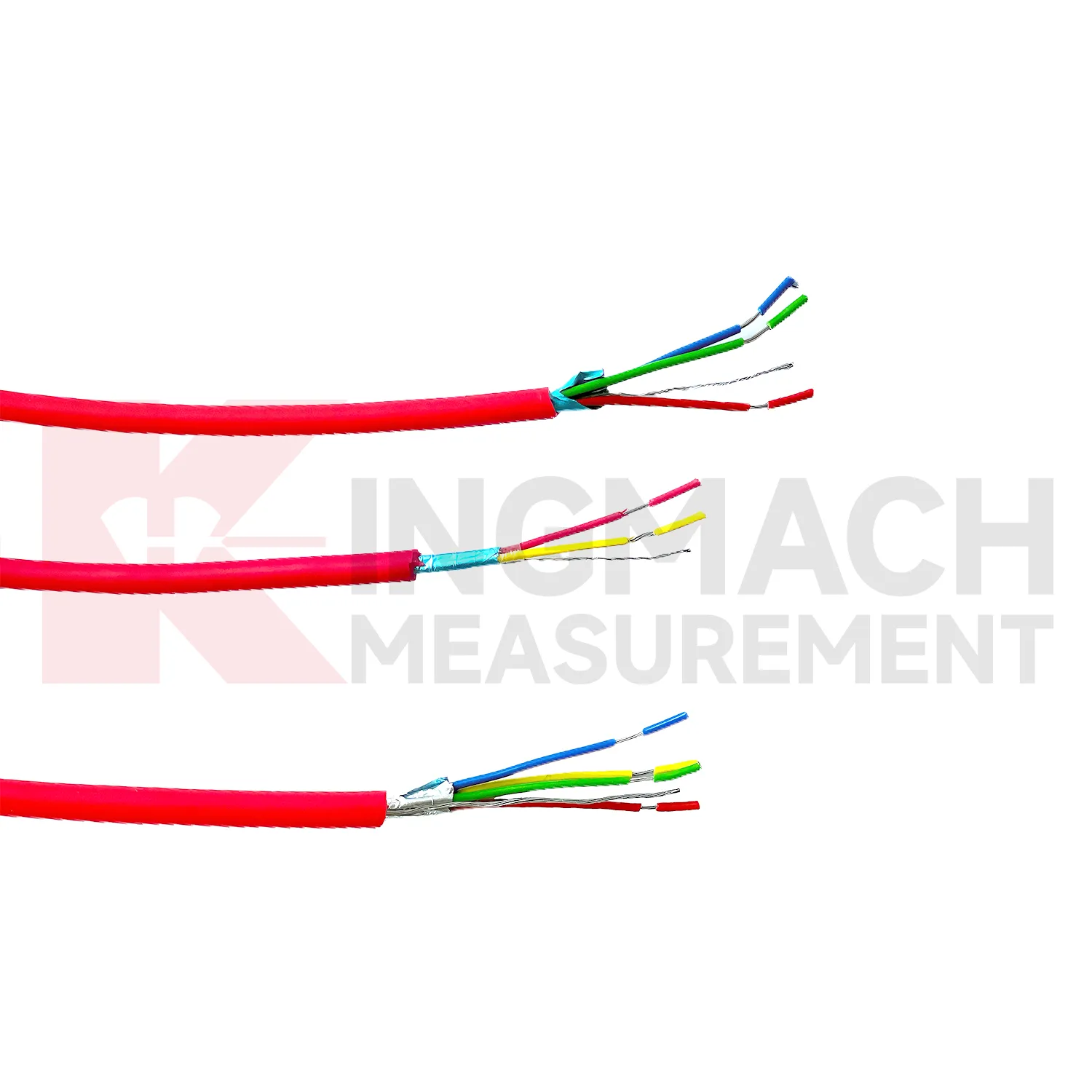
Application of Doublelayer Shielded Test Cable
Building and foundation pit monitoring uses Kingmach Doublelayer Shielded Test Cable to keep sensor signals stable in busy construction environments. Cable routes may pass near cranes, temporary power boxes, welding zones, pumps, and moving workers. Shielded test cable helps reduce noise pickup from equipment, while durable cable sheathing helps protect against abrasion and accidental contact. For foundation pits, damp soil, groundwater control, and frequent layout changes make cable protection especially important. A tidy route with tags, conduit, and cabinet records prevents later confusion when settlement, tilt, strain, or support force data needs review.
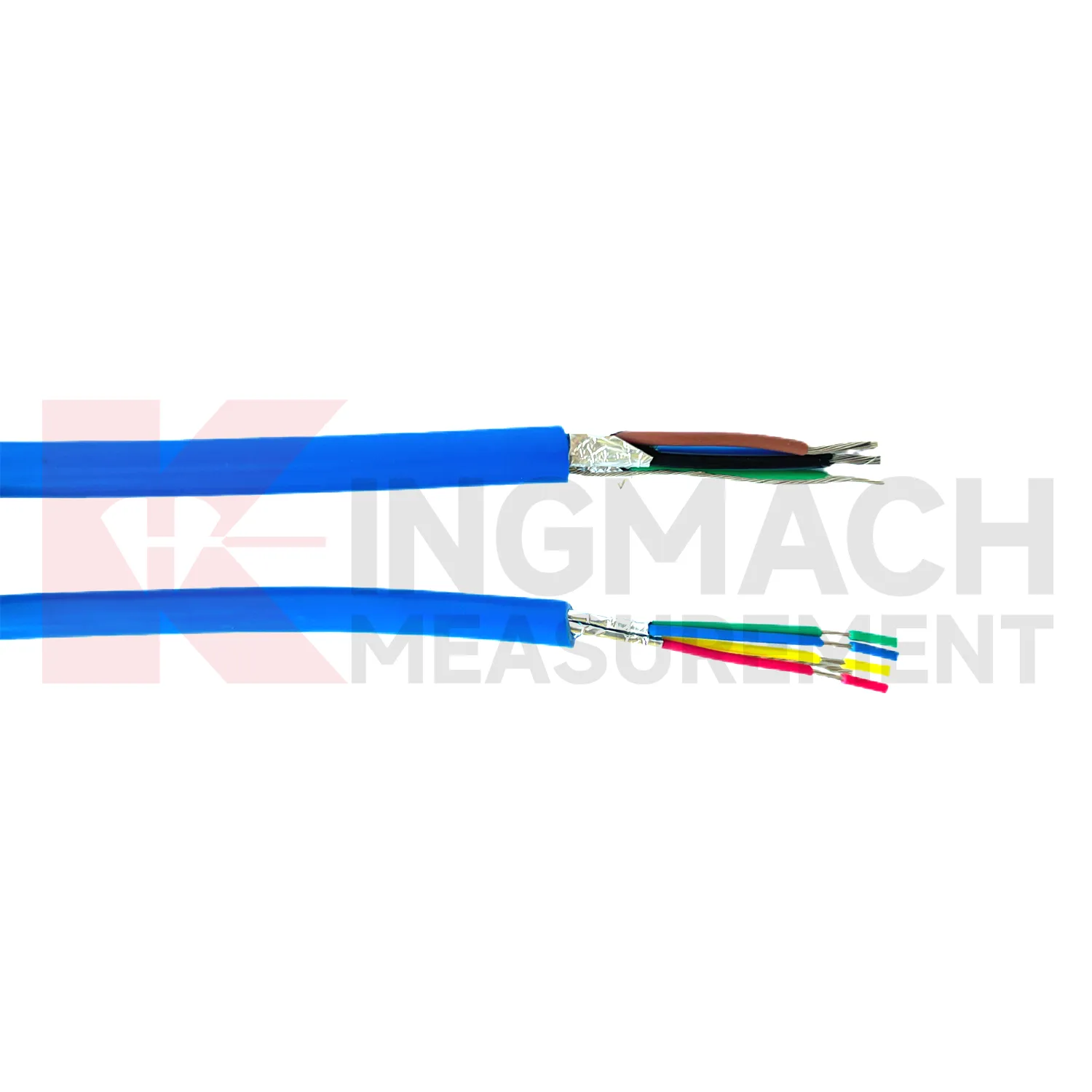
The future of Doublelayer Shielded Test Cable
As IoT monitoring grows, Kingmach Doublelayer Shielded Test Cable will support denser sensor layouts and more cabinet connections. A site may place many instruments around one structure, with data moving through acquisition modules, DTUs, gateways, and cloud platforms. The cable route has to remain orderly so technicians can trace channels when the online system reports abnormal data. Multi-core options, cable markings, and consistent installation records will become more important as monitoring networks move from small projects to long-running asset programs.
Care & Maintenance of Doublelayer Shielded Test Cable
Labeling is a maintenance task for Kingmach Doublelayer Shielded Test Cable, not just a neatness habit. Each cable should show instrument point, cable model, core assignment, cabinet location, and recorder channel. The same information should appear in the handover file. When a channel later reports noise, flatline data, or sudden jumps, technicians can inspect the correct route without disturbing neighboring sensors. Clear labels are especially important on multi-core cable, where a single sheath may carry several conductors that must remain traceable.
Kingmach Doublelayer Shielded Test Cable
Kingmach Doublelayer Shielded Test Cable protect monitoring data in places where interference is part of daily site life. Pumps, motors, welding work, power cabinets, railway equipment, construction machinery, and lightning protection systems can all affect weak sensor signals if cable routing is poorly planned. A composite shielding structure in JMZX-XPX helps keep precise sensor signal transmission stable in demanding testing areas. In hydraulic work, JMZX-XSX adds water-resistant insulation and sealing so the data path remains dependable in damp or underwater conditions. The engineering value is simple: fewer unexplained spikes, fewer repeat site visits, and clearer evidence when the structure itself changes.
FAQ
Q: What should be confirmed before placing an order?
A: Confirm project quantity, required core format, expected delivery length, packaging demand, payment terms, and receiving schedule.
Q: What minimum order quantity is shown?
A: The local product pages list a minimum order quantity of one piece.
Q: How is pricing handled?
A: Pricing is listed as negotiable, so the buyer should confirm quantity, model, packaging, and project delivery details with Kingmach.
Q: What delivery term appears in the local files?
A: Shipment is listed within 30 days after full payment receipt, subject to the order and project arrangement.
Q: What certifications are shown?
A: The product information lists ISO9001, ISO14001, and ISO45001 certification for Kingmach.
Reviews
Daniel Brown
Excellent environmental monitoring sensors. The data is consistent, and the system integrates smoothly with our existing setup.
Michael Anderson
The strain gauges and load cells are extremely accurate and stable. They performed very well in our bridge monitoring project. Highly recommended!
Latest Inquiries
To protect the privacy of our buyers, only public service email domains like Gmail, Yahoo, and MSN will be displayed. Additionally, only a limited portion of the inquiry content will be shown.
Mia***@gmail.comNetherlands
Dear team, we are interested in your readouts & data loggers compatible with multiple sensors. Do yo...
Harper***@gmail.comIndia
Dear Sir, we are planning to procure a complete monitoring system including strain gauges, tiltmeter...