
 EN
EN
 ar
ar bg
bg hr
hr cs
cs da
da nl
nl fi
fi fr
fr de
de el
el hi
hi it
it ko
ko no
no pl
pl pt
pt ro
ro ru
ru es
es sv
sv tl
tl iw
iw id
id lv
lv lt
lt sr
sr sk
sk sl
sl uk
uk vi
vi et
et hu
hu th
th tr
tr fa
fa ms
ms hy
hy ka
ka ur
ur bn
bn mn
mn ta
ta kk
kk uz
uz ku
ku
jointmeters
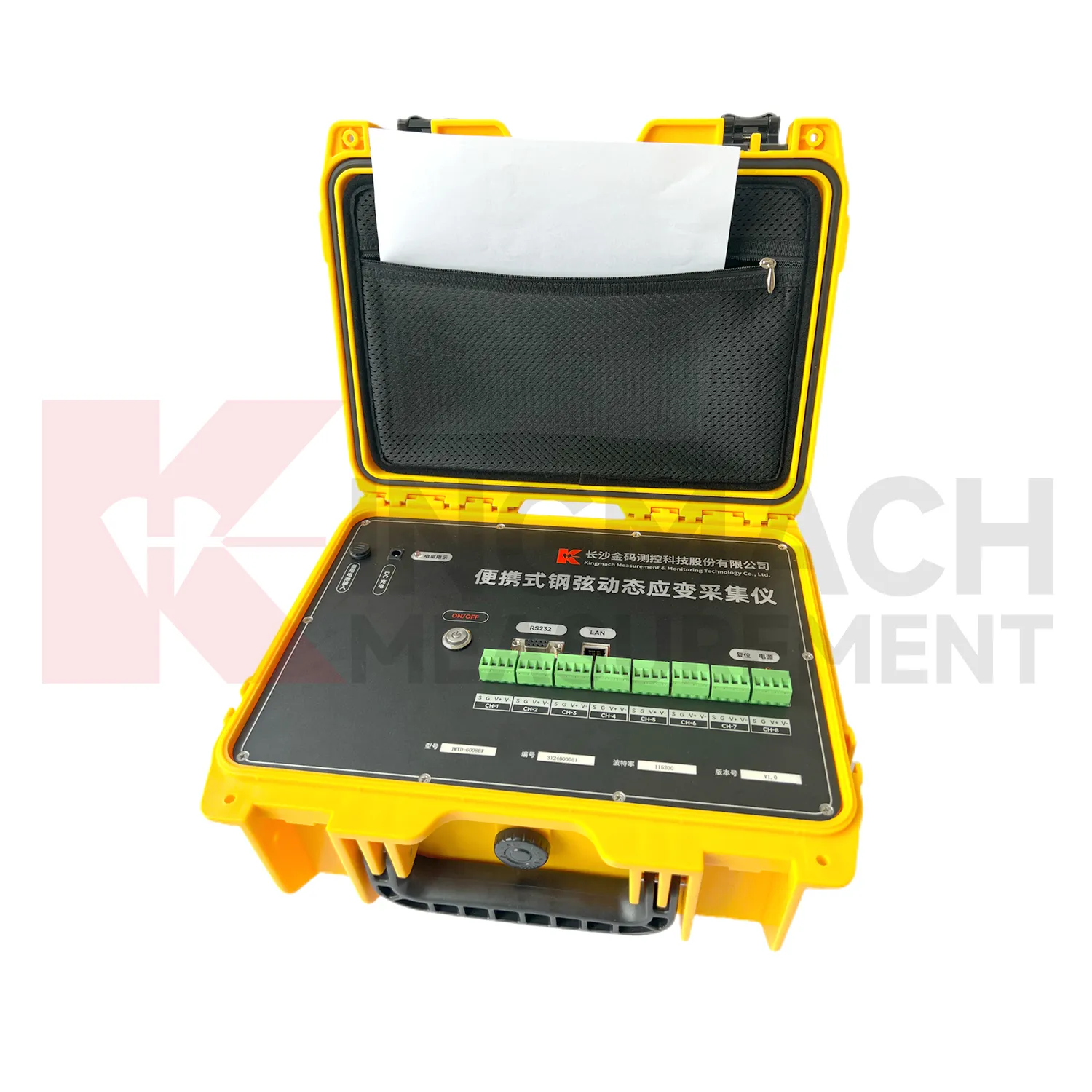
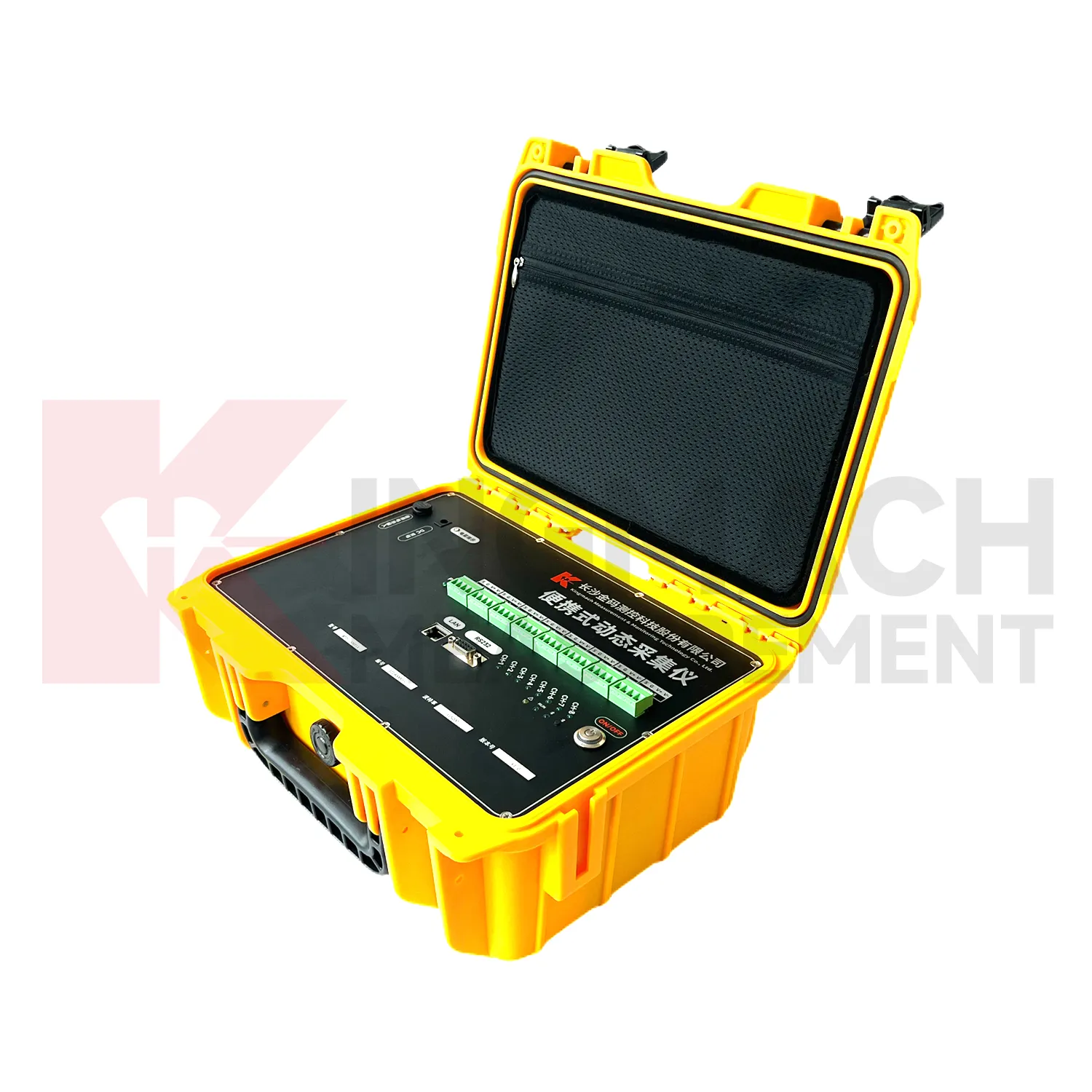
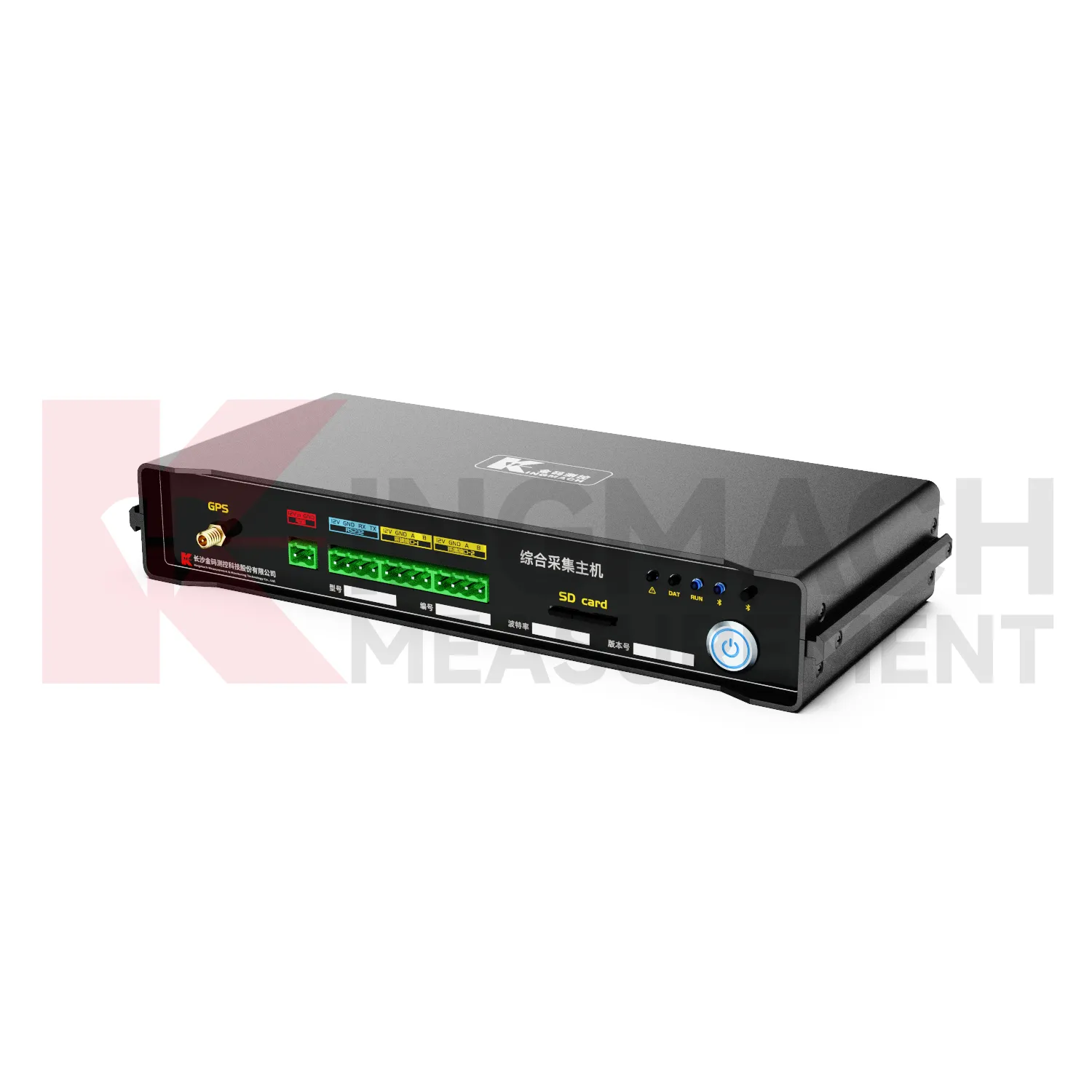
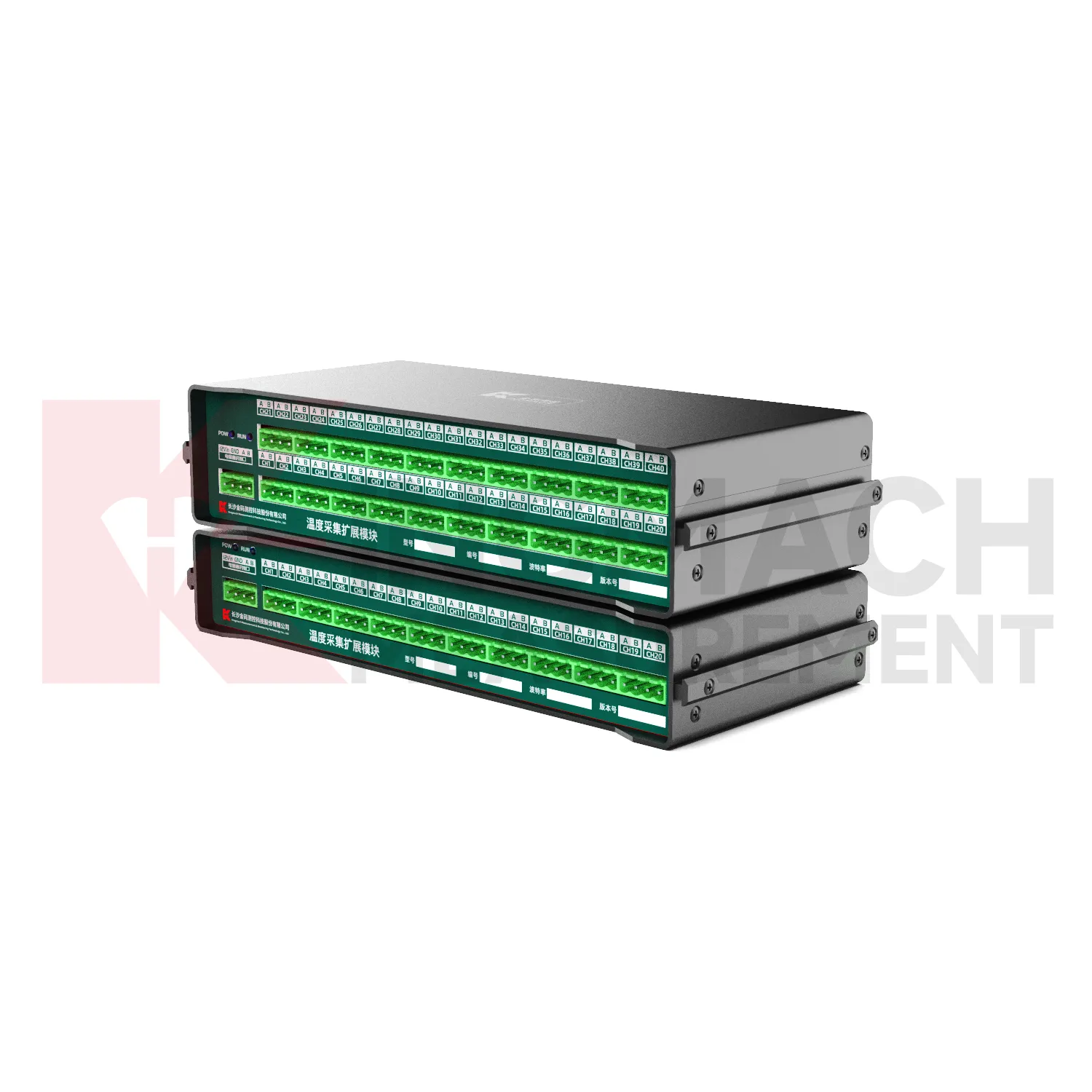
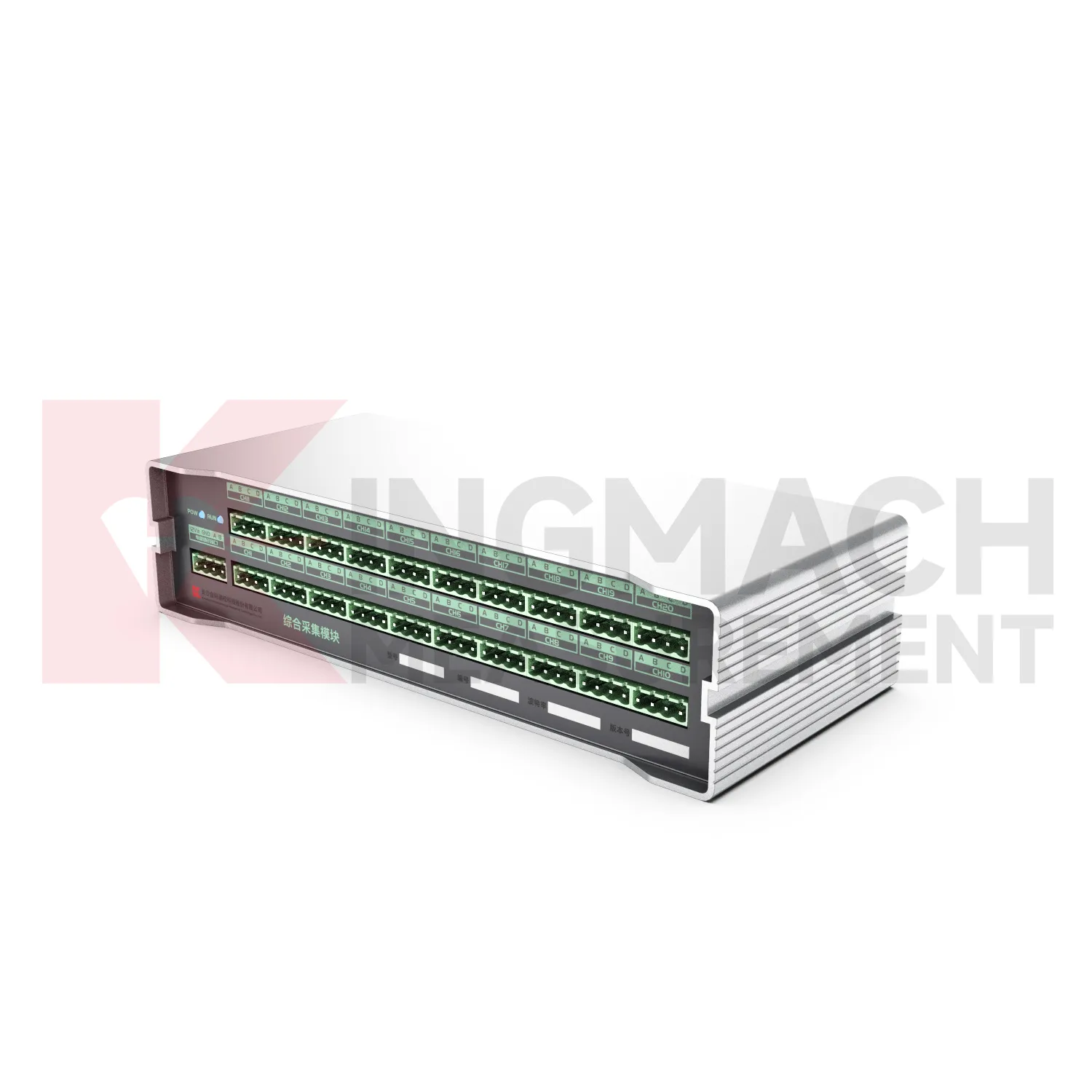
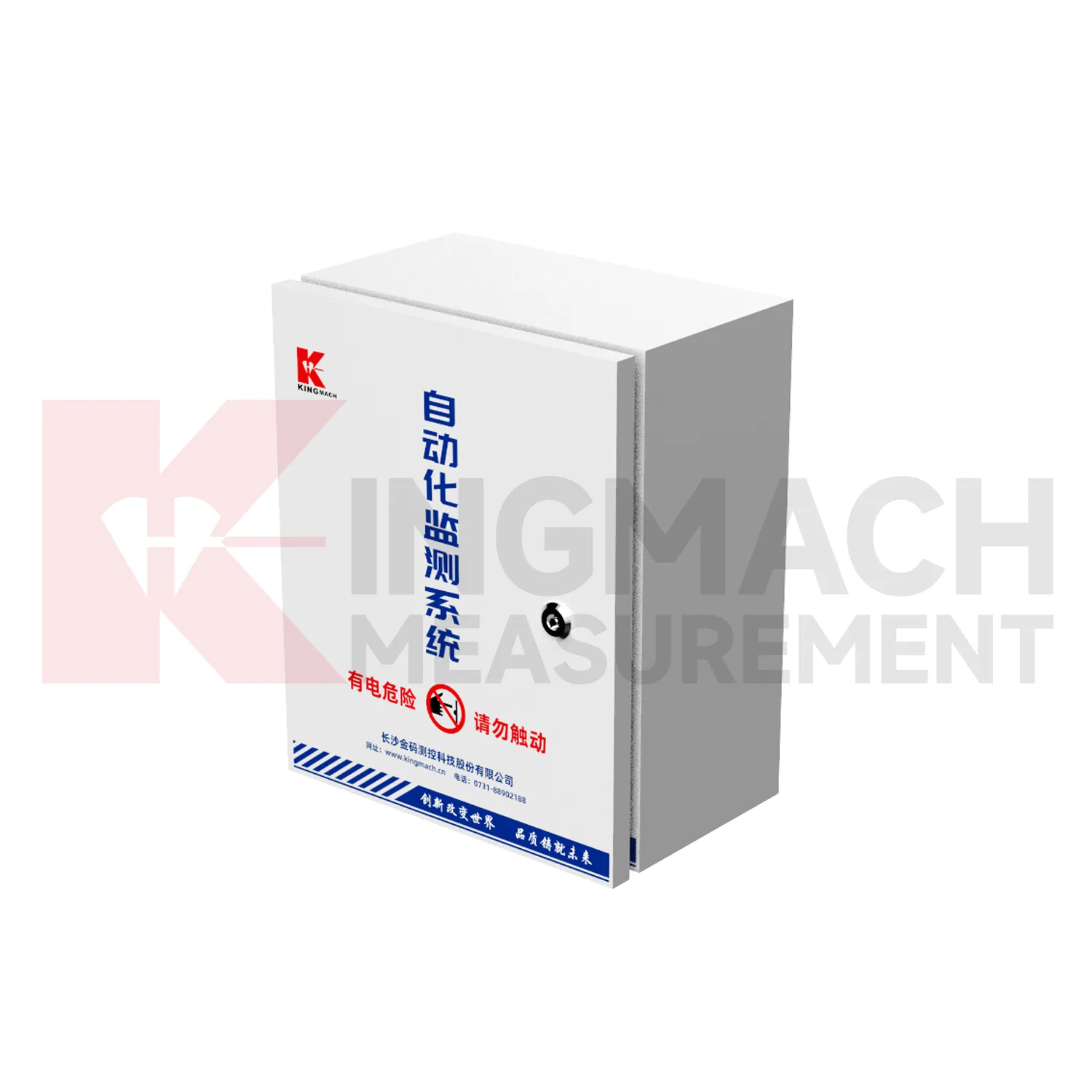
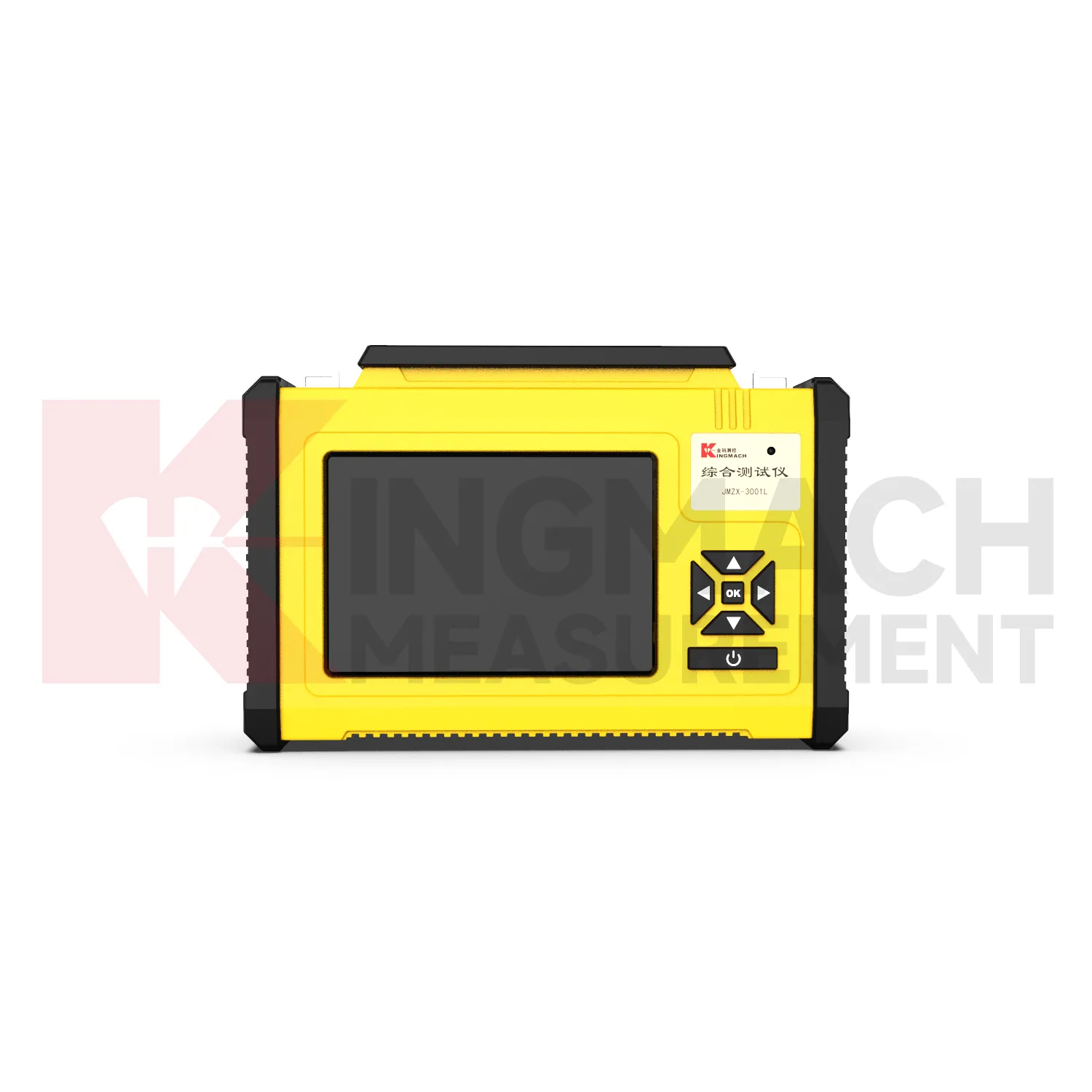
Kingmach jointmeters help project teams balance portability, automation, and data quality. Portable instruments are easy to carry and useful for spot measurement, sensor commissioning, and temporary tests. Fixed or wireless data loggers are better for routine acquisition, unattended stations, and remote monitoring. Dynamic signal acquisition equipment is needed when the event is short or the waveform must be reviewed. The buyer should not select the device only by channel count. The better question is how the data will be collected, checked, transmitted, stored, and used by the engineer or owner. That workflow determines whether the acquisition record remains useful after installation. Portability helps field crews move quickly, but automation protects continuity when nobody is on site. High-speed capture helps short events, while scheduled logging supports slow movement and environmental change. Matching these roles prevents overbuilding a simple inspection route or under-equipping a safety station that requires continuous review. The result is a more disciplined purchase and a cleaner field workflow. Teams can select a handheld readout for verification, a wireless logger for remote duty, or dynamic acquisition for event behavior without mixing their roles. This keeps the acquisition plan aligned with field access, risk level, and reporting requirements. over time.
Application of jointmeters
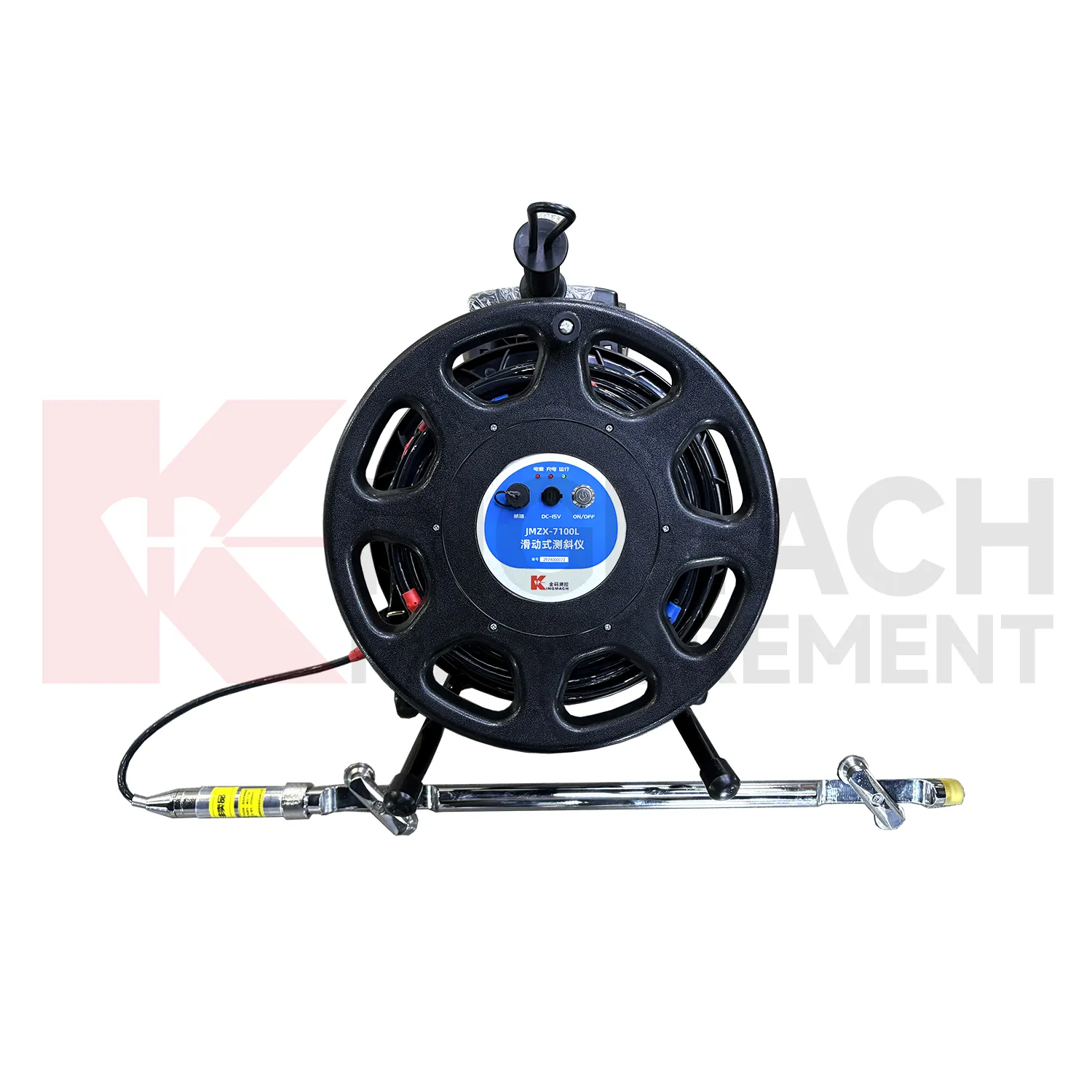
Slope and foundation pit monitoring uses Kingmach jointmeters to keep displacement, load, pore pressure, rainfall, tilt, and structural response records organized. Field crews may use readouts to check sensors during excavation stages, anchor tensioning, drainage work, or inspection visits. Wireless loggers are useful when the site needs continuous records through rain, night shifts, or limited access periods. The acquisition interval should match the risk level and the construction stage. If excavation changes quickly, more frequent records may be needed; if the site is stable, routine intervals may be enough. A well-labeled data logger helps engineers compare changes with rainfall, excavation depth, support installation, and site photographs. In foundation pits, the monitoring record should follow construction sequence closely. Excavation depth, support installation, dewatering activity, anchor work, and heavy rainfall can all change the reading pattern. Acquisition equipment should help the team keep these events attached to the correct sensor group. This makes it easier to see whether a change belongs to construction progress, weather, support behavior, or a device issue. It also helps supervisors compare readings before and after excavation steps, temporary loading, rainfall response, and support adjustments without losing the site timeline. across the construction record. for later review. clearly.
The future of jointmeters
Future Kingmach jointmeters will give project teams more flexible acquisition intervals. Some sensors need frequent readings during excavation, loading, rainfall, or dynamic testing. Other sensors need stable long-term records at slower intervals. The ability to match acquisition timing to project behavior helps control data volume while preserving important events. Future devices should make interval changes traceable so reviewers know why a record became faster or slower at a certain date. This is important when construction stages or risk levels change. Flexible intervals should also protect the meaning of long-term trends. If a station records every minute during excavation and every hour after stabilization, the report should show that change clearly. Reviewers can then compare data periods correctly instead of treating different acquisition modes as if they were the same. This will help owners manage storage volume, event detail, and reporting clarity without losing engineering context. across project stages. over time.
Care & Maintenance of jointmeters
Dynamic acquisition maintenance for Kingmach jointmeters should focus on timing, synchronization, and signal condition. Check channel connections, grounding, sampling settings, event names, trigger rules, and storage capacity before a test. Dynamic records are difficult to repeat when the event is train passage, blasting, impact, or machinery start-up. After the test, save raw data, event notes, sensor positions, and any abnormal site activity. This maintenance discipline helps engineers interpret the waveform and compare repeated events without uncertainty about the acquisition setup. Before the next test, review whether the previous event was captured cleanly. If a channel clipped, drifted, lost connection, or showed unexpected noise, correct the setup before relying on another event. Dynamic maintenance is therefore part of test quality, not only equipment care. The maintenance file should include sampling settings, trigger notes, cable condition, sensor mounting status, and storage location for raw files. These details help engineers repeat the test method later and compare event records under similar conditions.
Kingmach jointmeters
For Kingmach jointmeters, usability in the field is as important as acquisition capability. A device may be technically capable, but it still needs clear operation, readable display, secure connectors, stable power, and a practical method for exporting data. Field crews often work in tunnels, slopes, bridge decks, dam galleries, or construction zones where time and access are limited. A well-planned readout or logger reduces repeated site visits because the operator can confirm the point, store the record, and move on with confidence. This is especially useful when many sensors must be checked in one inspection round. Field usability also depends on small details: charged batteries, clean connectors, readable screen prompts, clear file names, and enough storage before the route begins. When those basics are ready, technicians can spend their time checking sensors instead of troubleshooting the instrument. during each site visit. without avoidable delay. for crews. on site safely. consistently.
FAQ
Q: What are Readouts & Data Loggers used for?
A: They collect, display, store, and transfer sensor readings so engineering teams can review monitoring data from structural, geotechnical, and industrial projects.
Q: How are readouts different from data loggers?
A: Readouts are often used for field checking and portable measurement, while data loggers support automatic acquisition, scheduled records, and longer monitoring periods.
Q: Which sensors can be connected?
A: The category can support vibrating wire sensors, digital RS485 sensors, temperature points, dynamic signals, strain instruments, displacement sensors, tilt sensors, and other monitoring devices depending on the model.
Q: Why is channel naming important?
A: Clear channel names connect each reading with the correct sensor, location, structure, and review purpose, which prevents confusion during reporting and handover.
Q: What should be checked before purchase?
A: Buyers should define sensor type, channel count, acquisition interval, power supply, communication method, storage needs, site access, and reporting workflow.
Reviews
James Thompson
The tiltmeters and accelerometers are very sensitive and provide precise data. Perfect for our structural health monitoring system.
Matthew Garcia
Instrumentation cables are durable and perform well even in harsh environments. Will definitely order again.
Latest Inquiries
To protect the privacy of our buyers, only public service email domains like Gmail, Yahoo, and MSN will be displayed. Additionally, only a limited portion of the inquiry content will be shown.
Harper***@gmail.comIndia
Dear Sir, we are planning to procure a complete monitoring system including strain gauges, tiltmeter...
Amelia***@gmail.comSingapore
Hello, I am looking for visualization software for monitoring system data analysis. Please let me kn...
Related product categories
- the readout
- best data loggers
- data loggers for sale
- best temperature data loggers
- cloud integration for data loggers
- data loggers for temperature
- data loggers temperature and humidity
- temp and humidity data loggers
- industrial data loggers
- data loggers for temperature and humidity
- Sliding Inclinometer
- inclinometer