
 EN
EN
 ar
ar bg
bg hr
hr cs
cs da
da nl
nl fi
fi fr
fr de
de el
el hi
hi it
it ko
ko no
no pl
pl pt
pt ro
ro ru
ru es
es sv
sv tl
tl iw
iw id
id lv
lv lt
lt sr
sr sk
sk sl
sl uk
uk vi
vi et
et hu
hu th
th tr
tr fa
fa ms
ms hy
hy ka
ka ur
ur bn
bn mn
mn ta
ta kk
kk uz
uz ku
ku
weir flow meter introductory
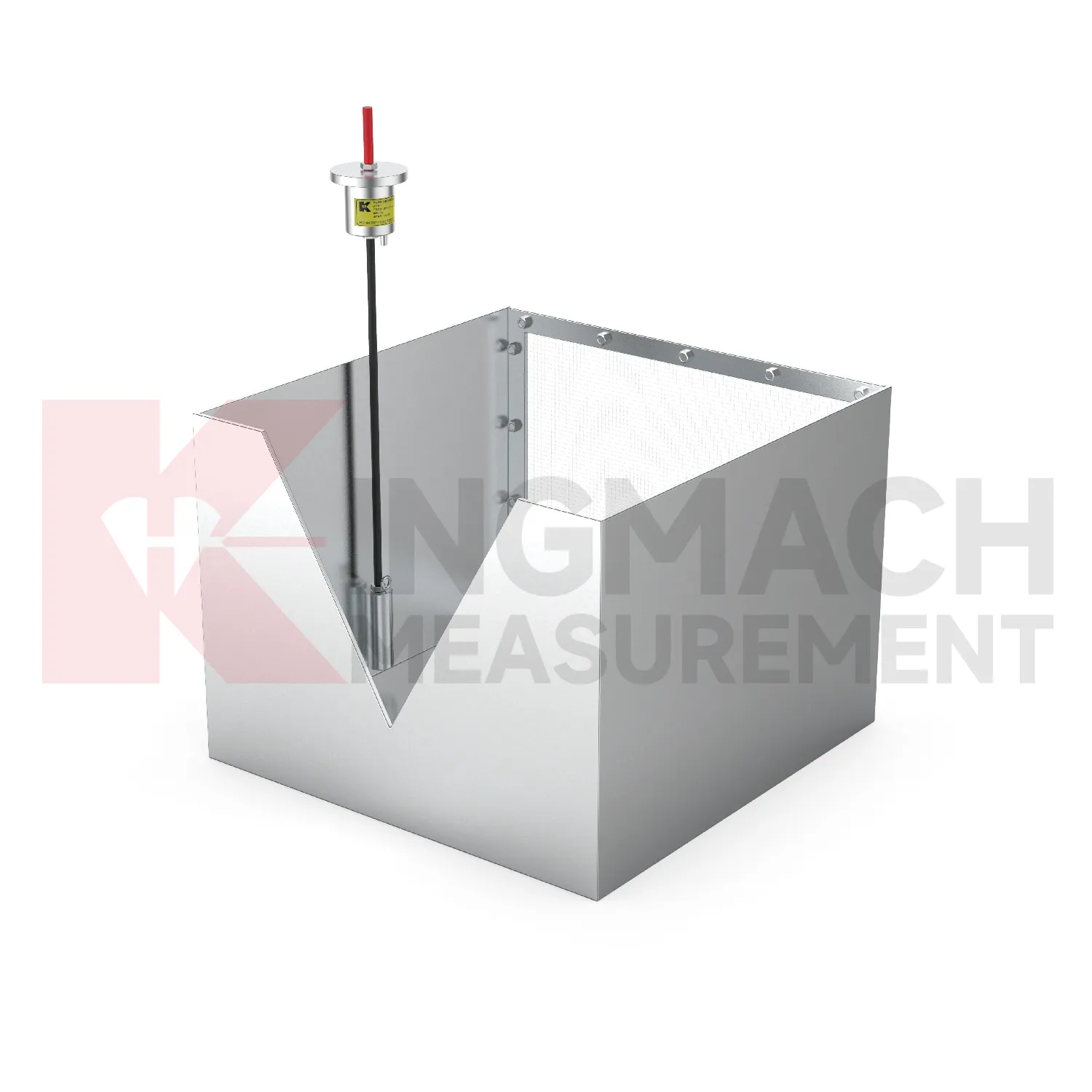
Kingmach weir flow meter introductory should be presented through the user’s water-management task. A municipal drainage operator may need to know whether a channel is clearing stormwater. A tunnel maintenance team may need to track discharge from a drainage section. An irrigation manager may need to compare delivery between periods. A hydraulic engineer may need a repeatable record for a test structure. The same measurement principle supports these tasks, but the site details and reports are different. The product description can guide project planning around the purpose, the channel condition, the record interval, and the maintenance access. This creates a more useful page than one that repeats a product name or a list of technical values. For water accounting or resource management, the same section, reference point, and maintenance discipline make seasonal and operational comparison reliable. If the channel is modified, the record should not hide the change. A repair, new crest, cleaned approach, moved enclosure, or changed data channel can affect comparability and should be visible beside the next flow trend. The field record should explain the water path, the condition before the reading changed, the inspection access, and whether nearby operations or weather events affected the channel. This keeps the flow curve connected to real site behavior rather than leaving it as an isolated number.
Application of weir flow meter introductory
Tunnel and underground projects use Kingmach weir flow meter introductory when discharge, seepage collection, or drainage flow needs to be observed over time. A tunnel drainage point may behave differently after rainfall, excavation, lining work, groundwater change, or maintenance cleaning. Flow records should be reviewed with seepage notes, water level observations, settlement, convergence, crack records, and inspection photographs. The measuring point must remain accessible because underground channels can collect sediment, scale, or debris. Point names should include section, side, drainage path, and purpose so future maintenance teams know what the record represents. A reliable flow curve helps distinguish routine drainage from a change that may require closer investigation. In underground work, the context around the number matters. A rising flow trend near a known seepage zone may require a different response from a brief rise after planned washing or pumping. Operators should keep notes about access restrictions, lighting, ventilation, cleaning time, and visible deposits near the measuring section. Those details help engineers review the record without guessing what happened on site. When the tunnel enters long-term service, the same monitoring point can continue to support drainage maintenance, seasonal review, and early discussion of unusual water movement. It also helps compare different tunnel sections without relying only on memory or scattered inspection notes.
The future of weir flow meter introductory
Future Kingmach weir flow meter introductory will support better water resource management by turning small-channel measurements into comparable long-term records. Owners can compare seasonal flow, storm response, maintenance effects, and dry-period behavior across multiple sites. That comparison is only useful if each point is installed and maintained consistently. Future reports should show not only the flow value but also the site condition that shaped it. A flow record from a clean channel should not be compared blindly with one affected by sediment or vegetation. Better context will make water allocation, drainage planning, and maintenance budgeting more defensible. Multi-site review will matter more as projects connect canals, drains, reservoirs, pumping stations, and industrial discharge points into one operating view. The strongest records will keep location history, cleaning events, rainfall context, and channel changes visible beside the trend. That context lets managers compare stations fairly instead of treating every difference as a measurement problem. Clearly.
Care & Maintenance of weir flow meter introductory
Seasonal maintenance should be planned for Kingmach weir flow meter introductory. In wet seasons, debris and sediment may increase. In dry seasons, algae, scale, or low-flow conditions may affect the control section. In cold areas, freezing or ice can distort the water path. In construction areas, temporary works may change runoff and sediment. A seasonal checklist should be tied to the actual site, not copied from a generic calendar. The best maintenance schedule reflects weather, land use, upstream activity, and the owner?s need for reliable flow records during critical periods. Before the high-risk season begins, teams can inspect access, labels, crest condition, outlet clearance, and data communication. After the season, they can review which alarms were useful, which visits were unnecessary, and which channel conditions caused uncertainty. That review turns maintenance history into a better plan for the next operating period. It also supports cleaner budgeting for field labor and spare parts.
Kingmach weir flow meter introductory
Kingmach weir flow meter introductory is relevant wherever flow regulation and water resource management depend on reliable open-channel measurement. A weir installation can support irrigation allocation, drainage review, water treatment inflow, reservoir auxiliary discharge, tunnel seepage observation, or small hydraulic structures. The measurement should be treated as part of an operating system. Channel approach, crest condition, water head reading, data collection, and routine cleaning all affect the final flow record. When these parts are documented, the owner can compare current flow with past behavior and decide whether action is needed. The value comes from repeatable measurement, not from isolated readings. A weir point also needs safe routine access. If staff cannot reach the crest, enclosure, or sensing area during wet weather, the project may collect data but struggle to maintain confidence in it when the record is most important. Designers, operators, maintenance staff, and owners may read the same curve, so the record needs clear site conditions, inspection notes, and action history in plain engineering language.
FAQ
Q: What site conditions affect flow readings?
A: Sediment, debris, turbulence, backwater, algae, damaged crest edges, poor approach flow, and changed channel geometry can all affect the record.
Q: Why is cleaning important?
A: Cleaning keeps the control section clear so the water head record continues to represent the intended flow relationship.
Q: How should abnormal flow changes be reviewed?
A: Check rainfall, upstream operation, downstream condition, cleaning history, enclosure status, and field inspection notes before drawing conclusions.
Q: Can flow monitoring be remote?
A: Yes. Remote monitoring is useful when continuous records are needed or when the site is difficult to access during storms or operation.
Q: What should be recorded at installation?
A: Record channel location, flow direction, weir condition, water head reference, cable route, enclosure position, cleaning access, and first stable reading. The strongest flow reports are written around decisions. They show whether to keep observing, clean the channel, inspect upstream conditions, check downstream backwater, or compare the point with another water-level or rainfall record.
Reviews
Joshua Clark
We ordered a full monitoring solution including sensors and data loggers. Everything works seamlessly together. Great supplier!
Michael Anderson
The strain gauges and load cells are extremely accurate and stable. They performed very well in our bridge monitoring project. Highly recommended!
Latest Inquiries
To protect the privacy of our buyers, only public service email domains like Gmail, Yahoo, and MSN will be displayed. Additionally, only a limited portion of the inquiry content will be shown.
Amelia***@gmail.comSingapore
Hello, I am looking for visualization software for monitoring system data analysis. Please let me kn...
Isabella***@gmail.comGermany
Hello, we are evaluating weir flow meters for a water management project. Please share accuracy deta...
Related product categories
- Intelligent Weir Flow Meter
- Smart Weir Flow Meter
- weir flow meter
- weir type flow meter
- weir flow meter Price
- weir flow meter Manufacturer
- weir flow meter Supplier
- weir flow meter Solution
- weir flow meter System Integration
- weir flow meter Localization
- weir flow meter Domestic Manufacturing
- weir flow meter China