
 EN
EN
 ar
ar bg
bg hr
hr cs
cs da
da nl
nl fi
fi fr
fr de
de el
el hi
hi it
it ko
ko no
no pl
pl pt
pt ro
ro ru
ru es
es sv
sv tl
tl iw
iw id
id lv
lv lt
lt sr
sr sk
sk sl
sl uk
uk vi
vi et
et hu
hu th
th tr
tr fa
fa ms
ms hy
hy ka
ka ur
ur bn
bn mn
mn ta
ta kk
kk uz
uz ku
ku
wireless accelerometer
The interpretation of Kingmach wireless accelerometer data should avoid treating every vibration as a defect. Structures move under traffic, wind, machine operation, trains, construction activity, and environmental change. The question is whether the motion is expected, growing, sudden, repeated, or tied to a specific event. Acceleration records should therefore be reviewed with strain, displacement, tilt, load, environmental data, and inspection notes when those records are available. This wider review helps engineers avoid both overreaction and missed warning signs. A vibration spike during known work may require documentation; the same spike during quiet operation may require inspection. The distinction comes from context. Dynamic monitoring becomes most useful when it supports judgment rather than replacing it.
Dynamic data can be sensitive to small field changes. A new bracket, nearby machine, temporary work platform, changed cable route, or software update can alter the record, so those changes belong in the maintenance history.
For owner handover, the file should include point photos, axis labels, acquisition settings, related structural channels, and examples of normal behavior. That helps future reviewers understand whether a later event is unusual.
Weak-vibration review should include nearby walking, wind, traffic, equipment start-up, and construction activity because these sources can influence the trace. People walking nearby, wind, traffic, equipment start-up, and construction work can all influence the trace, so the field note should capture what was happening around the point.
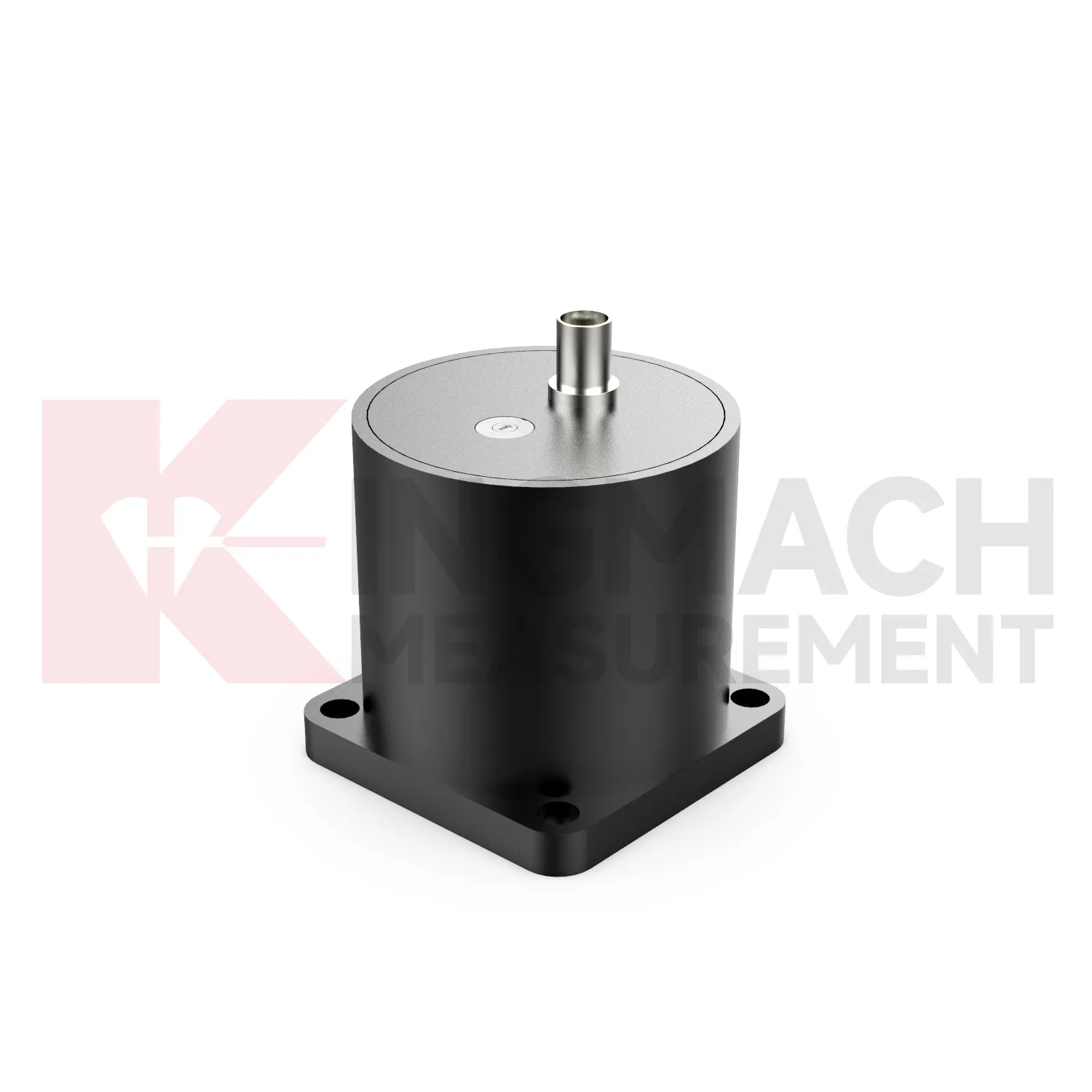
Application of wireless accelerometer
Cable force testing uses Kingmach wireless accelerometer when vibration response is part of the force calculation method. The sensor must capture the cable motion cleanly, and the analysis must use the correct cable identity, boundary condition, and review process. A simple vibration trace is not enough by itself. The test record should preserve cable name, measurement position, weather, traffic or work condition, and calculation result. Written clearly, this application shows how dynamic measurement supports bridge maintenance without turning the page into formulas or specification tables. Repeatability is especially important. If future measurements use the same procedure, the owner can compare trends with more confidence.
The report should not leave the waveform isolated. It should explain what the asset was doing, why the point was measured, which event triggered interest, and what follow-up action or observation was made.
Dynamic data can be sensitive to small field changes. A new bracket, nearby machine, temporary work platform, changed cable route, or software update can alter the record, so those changes belong in the maintenance history.
For owner handover, the file should include point photos, axis labels, acquisition settings, related structural channels, and examples of normal behavior. That helps future reviewers understand whether a later event is unusual.
Weak-vibration review should include nearby walking, wind, traffic, equipment start-up, and construction activity because these sources can influence the trace. People walking nearby, wind, traffic, equipment start-up, and construction work can all influence the trace, so the field note should capture what was happening around the point.
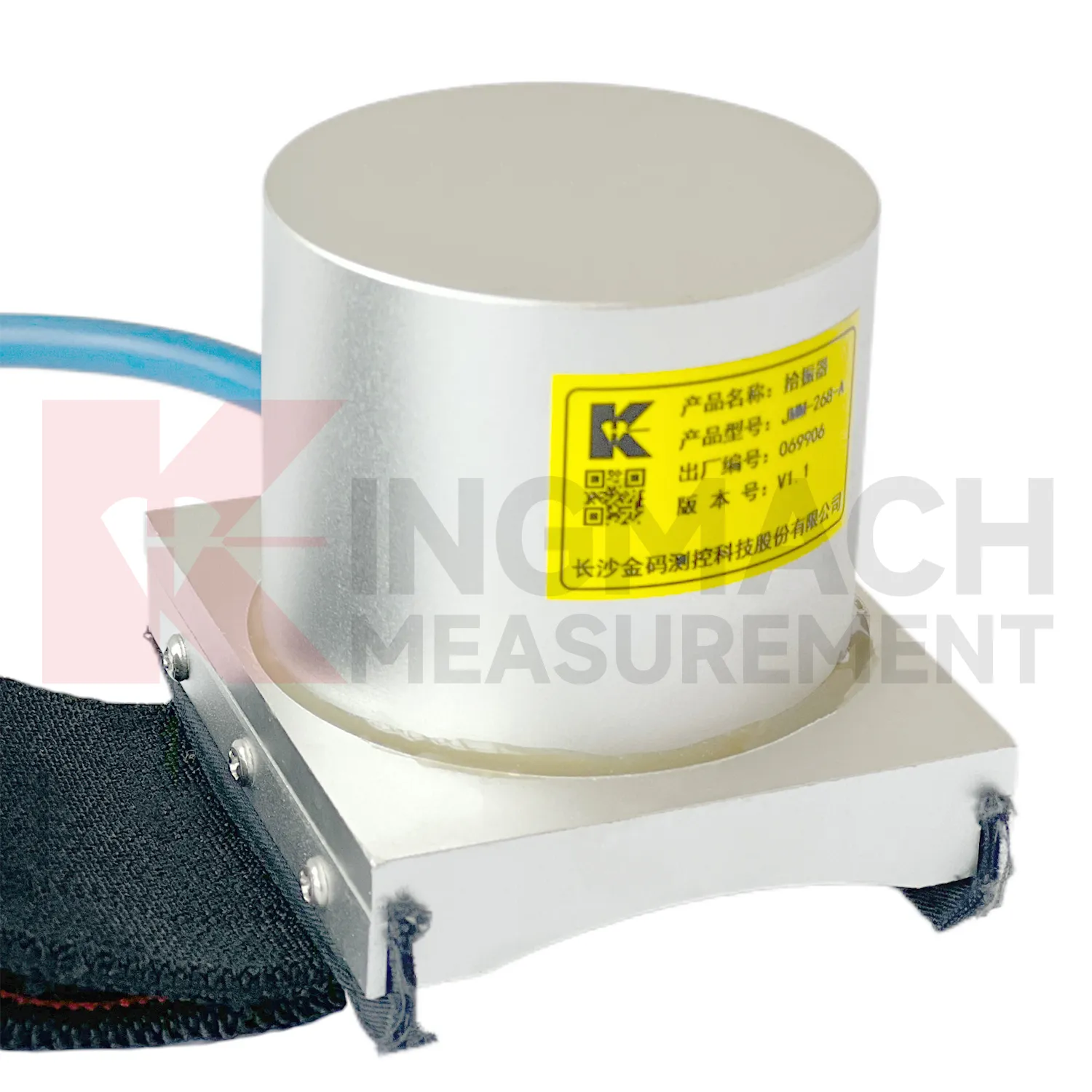
The future of wireless accelerometer
Future Kingmach wireless accelerometer will support more disciplined cable force monitoring. Vibration-based cable review depends on correct measurement position, cable identity, boundary assumptions, and calculation settings. Future reports should connect the vibration curve, frequency result, cable information, and maintenance decision in one place. That will make cable review easier to audit and compare over time. For bridge owners, the value is not simply a sensor reading; it is a repeatable method for tracking cable behavior through service life. Clear records will also help teams understand when a change comes from adjustment, temperature, traffic, or true cable-condition variation.
For field teams, the record is strongest when the waveform is tied to a named event and a known physical point. The note should state what was operating, what changed on site, whether other instruments reacted, and whether the motion repeated under similar conditions.
A useful dynamic record needs both signal quality and site context. Mounting condition, axis direction, cable stability, acquisition timing, and event labeling all affect whether the data can support an engineering decision after review.
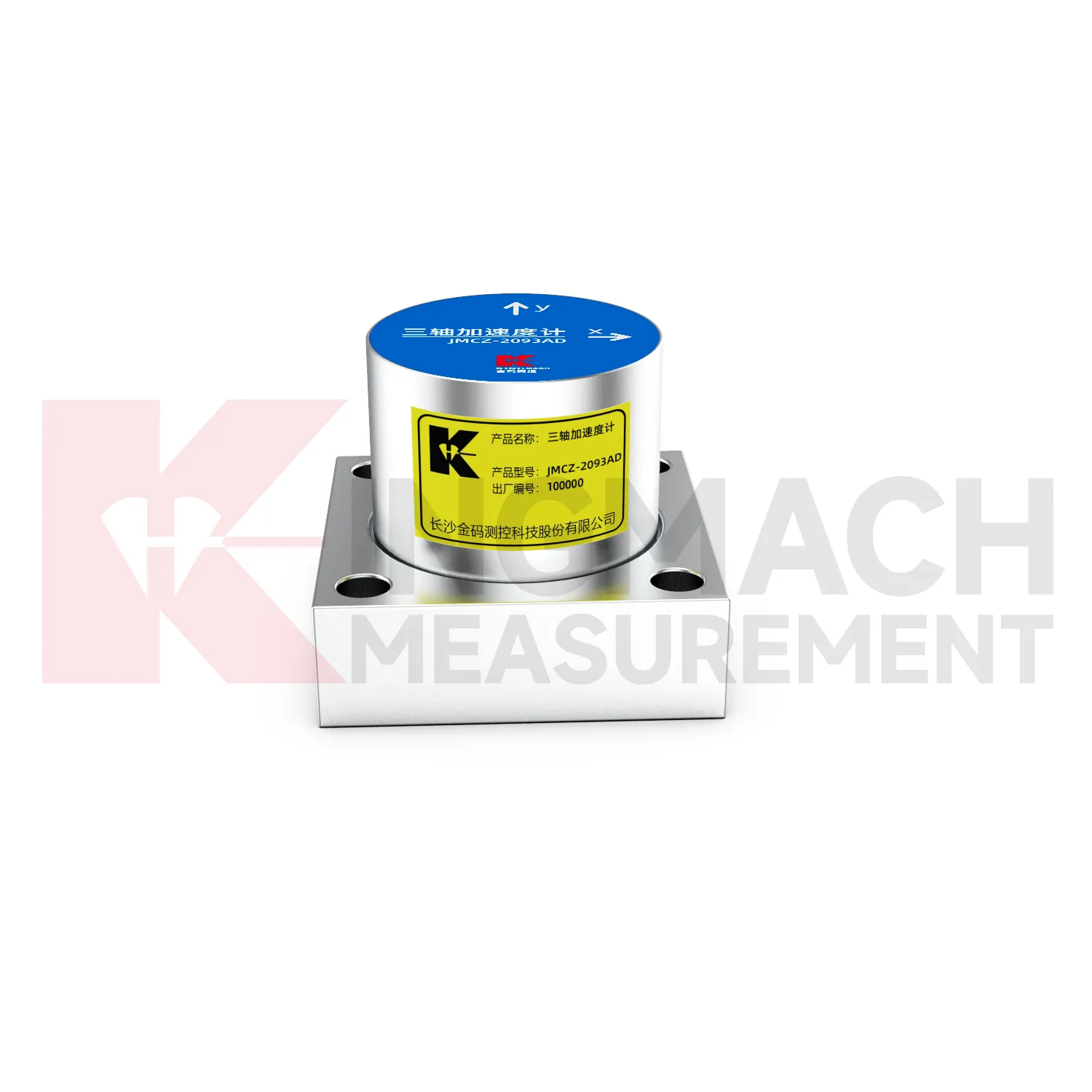
Care & Maintenance of wireless accelerometer
Cable force testing with Kingmach wireless accelerometer should preserve test consistency. Use the same cable identification, measurement position, sensor direction, operating condition, and calculation method whenever repeated measurements are compared. Record weather, traffic, nearby work, and any cable adjustment. Clean frequency data depends on both sensor quality and test discipline. If a cable result changes, confirm whether the measurement condition changed before treating it as a cable-force trend. Repeatable procedure keeps vibration-based cable review credible. The maintenance record should also preserve who tested the cable and what changed since the previous reading.
Dynamic data can be sensitive to small field changes. A new bracket, nearby machine, temporary work platform, changed cable route, or software update can alter the record, so those changes belong in the maintenance history.
For owner handover, the file should include point photos, axis labels, acquisition settings, related structural channels, and examples of normal behavior. That helps future reviewers understand whether a later event is unusual.
Kingmach wireless accelerometer
The strength of Kingmach wireless accelerometer is clearest when the data is connected to analysis. Dynamic testing systems can turn vibration signals into curves, frequency information, and engineering values when the project is configured for that purpose. The sensor is only the first part of the chain. Mounting, wiring, acquisition, time alignment, software review, and reporting all shape the final value of the measurement. A well-built data chain helps teams see whether a signal is stable, intermittent, growing, or tied to a known event. If any part of the chain is weak, the curve may still appear complete while the engineering meaning remains uncertain.
If the reading changes suddenly, the first check should include the sensor attachment, cable route, connector, channel name, and recent field activity. This prevents a maintenance issue from being mistaken for structural behavior.
Long-term monitoring benefits from repeatable procedure. When the same point, direction, event definition, and analysis method are preserved, new vibration records can be compared with earlier records in a defensible way.
FAQ
Q: How should a sensor position be selected?
A: Place it where the structure actually moves and where the record answers a clear engineering question.
Q: Why is mounting important?
A: Loose mounting can create a false vibration signal, so the sensor must be fixed to a stable surface.
Q: Why does axis direction matter?
A: The waveform only has meaning when reviewers know whether it represents vertical, lateral, longitudinal, or multi-direction motion.
Q:What should be recorded at installation?
A: Record point name, mounting face, axis direction, cable route, acquisition channel, first test record, and photos.
Q: Can sensors be moved after installation?
A: They can, but the move date, reason, new position, and new baseline test should remain visible in the record.
If the reading changes suddenly, the first check should include the sensor attachment, cable route, connector, channel name, and recent field activity. This prevents a maintenance issue from being mistaken for structural behavior.
Reviews
David Wilson
We purchased displacement transducers and settlement sensors, and the quality exceeded our expectations. Easy installation and reliable performance.
Michael Anderson
The strain gauges and load cells are extremely accurate and stable. They performed very well in our bridge monitoring project. Highly recommended!
Latest Inquiries
To protect the privacy of our buyers, only public service email domains like Gmail, Yahoo, and MSN will be displayed. Additionally, only a limited portion of the inquiry content will be shown.
Mia***@gmail.comNetherlands
Dear team, we are interested in your readouts & data loggers compatible with multiple sensors. Do yo...
Amelia***@gmail.comSingapore
Hello, I am looking for visualization software for monitoring system data analysis. Please let me kn...
Related product categories
- accelerometer cable
- accelerometer data acquisition
- accelerometer for vibration measurement
- vibration accelerometer
- industrial accelerometer
- seismic accelerometer
- accelerometers for vibration monitoring
- accelerometer applications
- uses of accelerometers
- accelerometer sensor for vibration measurement
- accelerometer vibration measurement
- piezo accelerometer vibration measurement