
 EN
EN
 ar
ar bg
bg hr
hr cs
cs da
da nl
nl fi
fi fr
fr de
de el
el hi
hi it
it ko
ko no
no pl
pl pt
pt ro
ro ru
ru es
es sv
sv tl
tl iw
iw id
id lv
lv lt
lt sr
sr sk
sk sl
sl uk
uk vi
vi et
et hu
hu th
th tr
tr fa
fa ms
ms hy
hy ka
ka ur
ur bn
bn mn
mn ta
ta kk
kk uz
uz ku
ku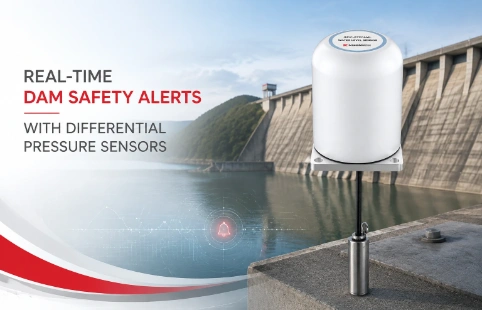
Real-Time Dam Safety Alerts with Differential Pressure Water Level Sensors
Key Takeaways An alert chain needs more than a sensor: define field in...

Strain Signal Acquisition Module That Handles Field Data
In geotechnical monitoring, getting clean strain readings from deep inside a slope or behind a tunnel lining is half the battle. A strain signal acquisition module has to cope with long cable runs, shifting temperatures, and sensor drift. Kingmach builds these modules as part of a wider system, so you're not stuck patching together incompatible hardware. The module conditiones and digitizes signals from vibrating wire or resistive strain sensors, then pushes the data to your logger or cloud platform. It's designed for engineers who need to set up and walk away, not babysit equipment.
Technical Detail
Strain signal acquisition modules from Kingmach turn raw analogue signals into usable numbers without adding noise. Internally, the front-end uses a low-drift amplifier and a 24-bit ADC, which matters when you're measuring microstrain on a bridge girder or a retaining wall. The module supports up to eight differential inputs, switchable between full-bridge and half-bridge configurations, so one box covers most site sensor layouts. Sampling rates are configurable from 1 Hz to 100 Hz, balancing resolution against data volume. Excitation voltage is software-selectable, a small touch that saves you from crawling back to the cabinet with a screwdriver. For communications, there's RS-485 and optional Ethernet, talking Modbus RTU or TCP. That means you can drop it straight into an existing SCADA setup or connect it to Kingmach's own datalogger for a plug-and-play chain. Power consumption idles around 2 W, so solar+battery installations stay practical. The board is conformally coated and rated for -20°C to 60°C operation; it gets put into sealed enclosures for sub-zero slope monitoring in central Asia or humid tunnel jobs in Southeast Asia. Calibration data is stored on the module, and the firmware compensates for lead resistance and temperature effects on the sensor. Users typically run a two-point calibration with a shunt resistor before commissioning, which takes minutes through the PC utility. Kingmach keeps stock of these modules in three regional hubs, so lead time isn't a gamble. Customizations like extra surge protection or narrower excitation ranges are available when projects require them, handled through the same engineering team that designs the company's inclinometers and piezometers.
News
Key Takeaways An alert chain needs more than a sensor: define field in...
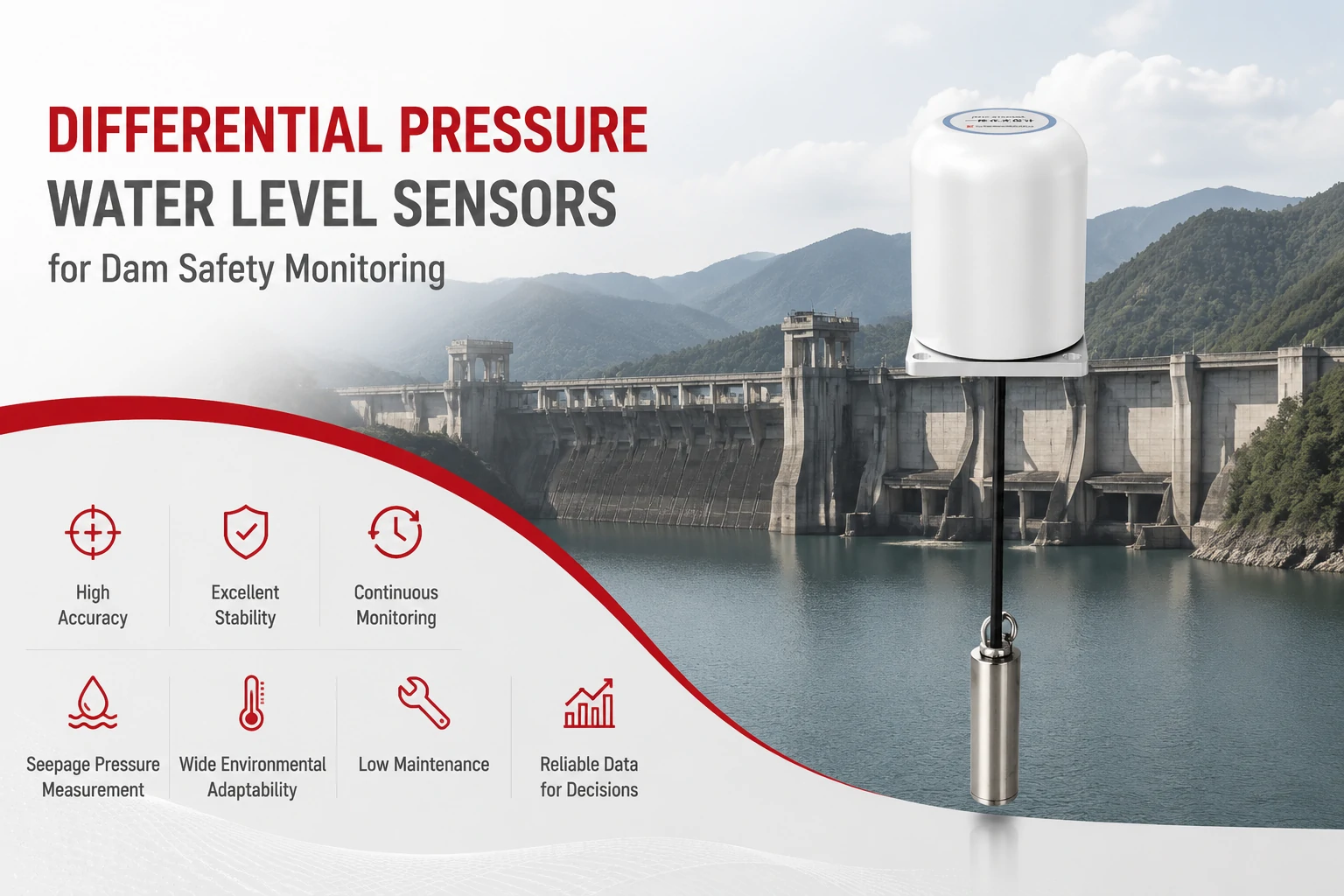
Key Takeaways The strongest fit is usually a confined, submerged, or s...
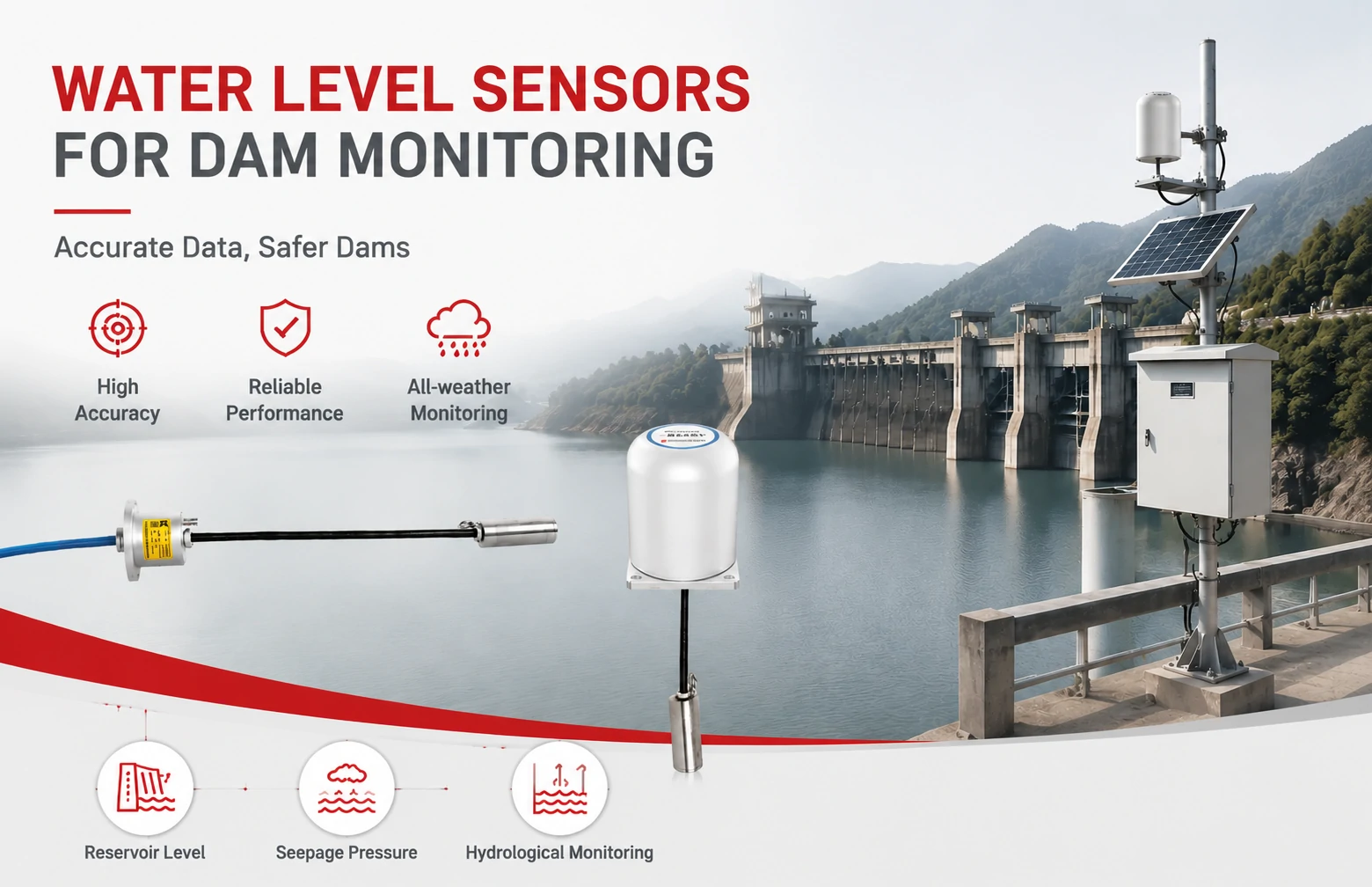
Kingmach Water Level Sensors for Dam Monitoring: A Buyer's Guide to Differential Pre...
Products
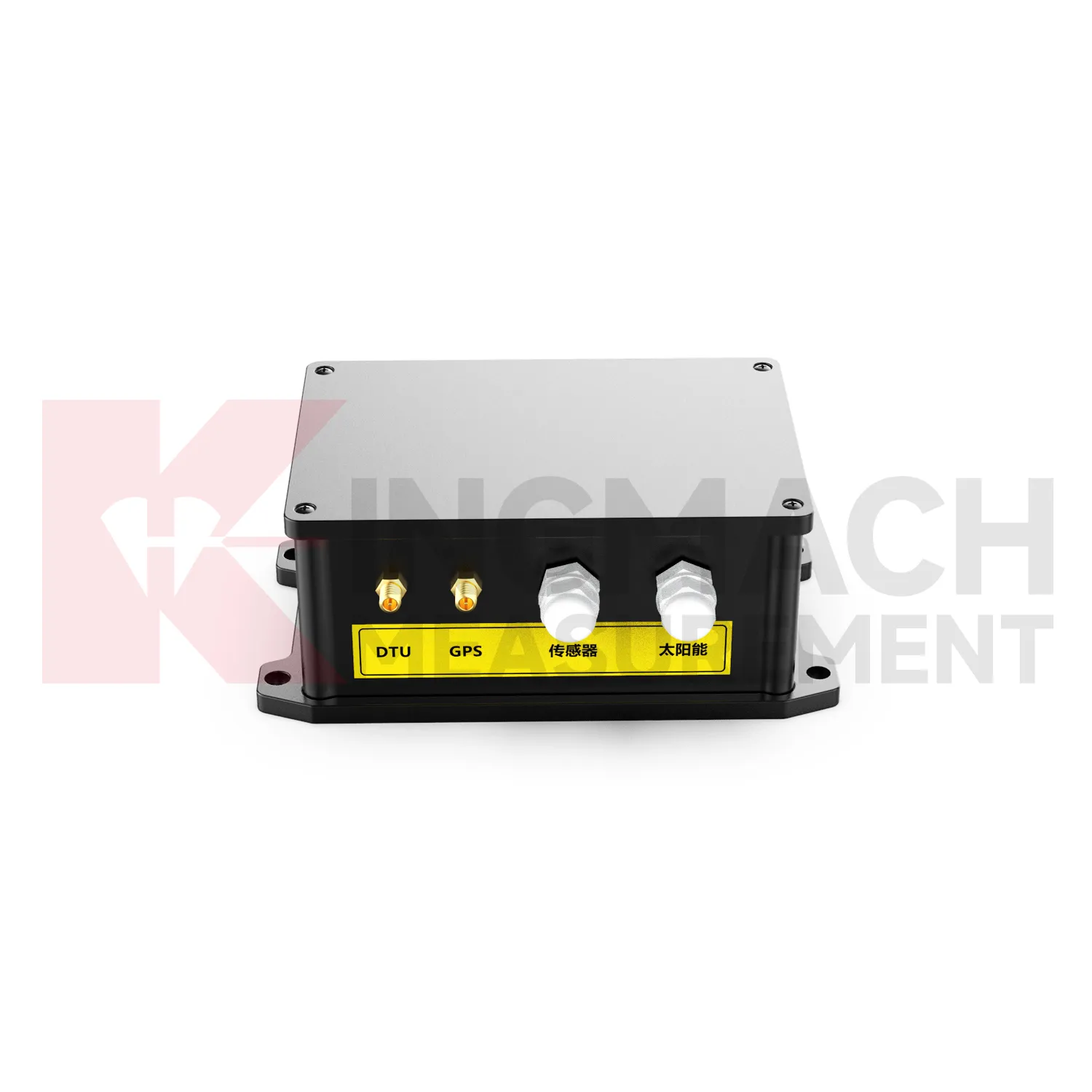
Wireless Data Logger (low power consumption design) JMWX-5RTU
View Details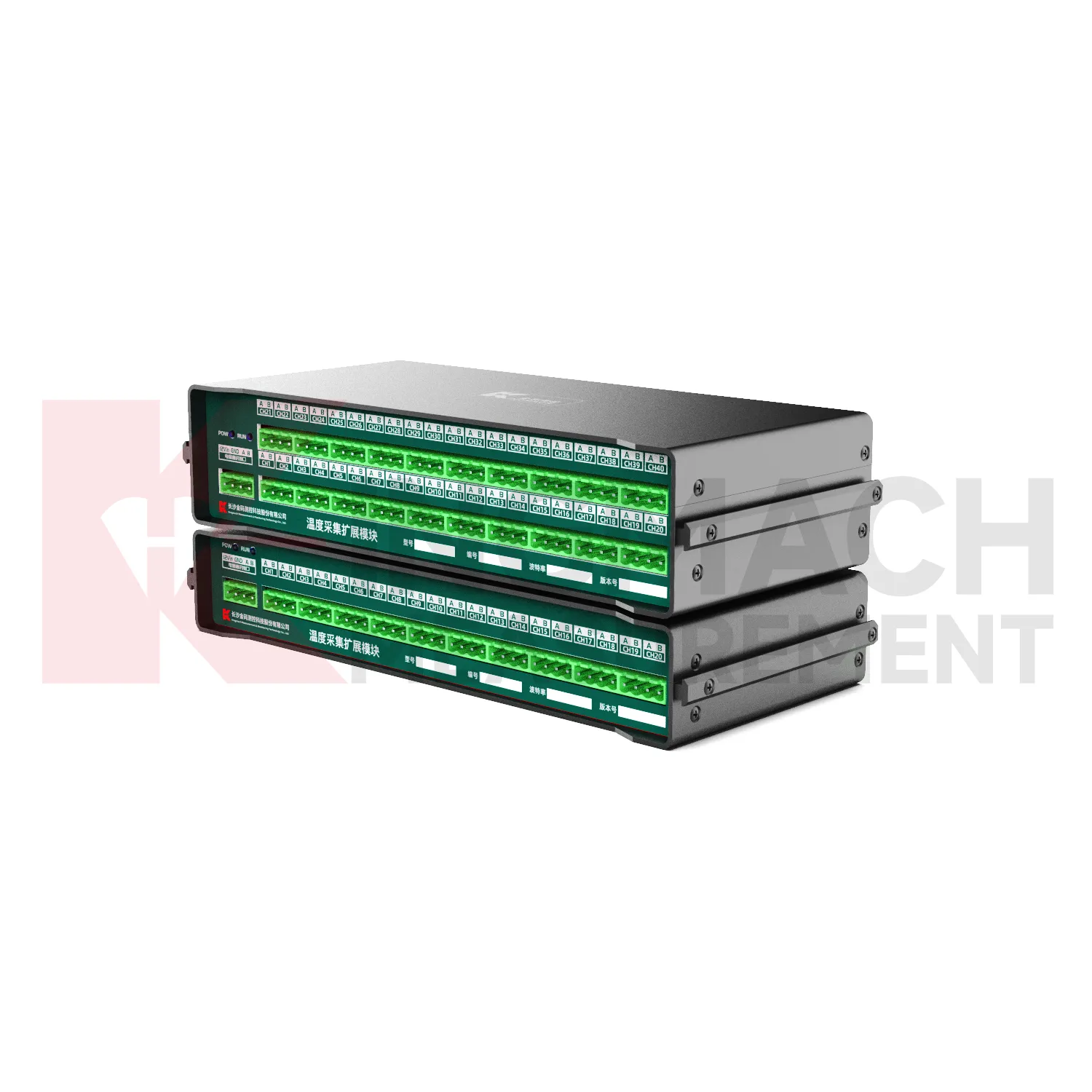
Temperature Acquisition Expansion Module JMWT-XXRTH
View Details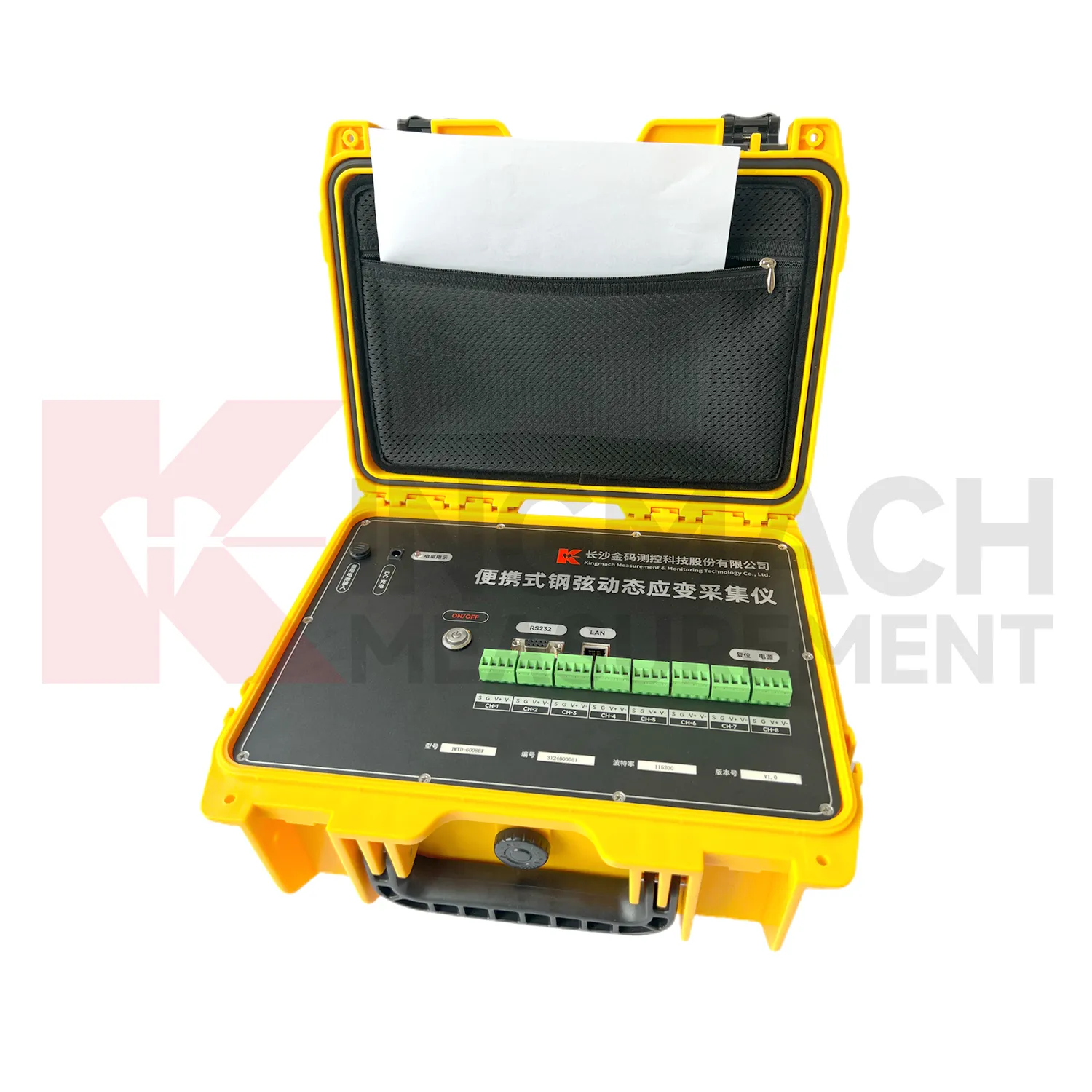
Portable Vibrating Wire Dynamic Strain Acquisition Readout JMYD-6008BX
View DetailsFAQ
It works with standard vibrating wire strain gauges and full-bridge or half-bridge resistive strain sensors. You set the bridge completion and excitation through software, so it adapts to most sensors used in geotech and structural monitoring.
Not directly — the module provides Modbus over RS-485 or Ethernet. You'll need a gateway like Kingmach's cloud logger or your own edge device to translate and push data to the server.
The module uses differential inputs and has built-in filtering. More importantly, the excitation and measurement timing accounts for cable capacitance, which helps with runs up to 300 meters. For extreme noise environments, we offer a module variant with isolated inputs.
At 1 Hz you're recording slow trends like temperature-driven strain over a day. At 100 Hz you can catch dynamic events like traffic loads on a bridge. Faster sampling means larger data files, so we usually suggest starting lower and only ramping up if project specs demand it.
The on-board reference resistors are low-drift, but we still recommend an annual bench calibration check. For field verification, a shunt calibration through the software takes a few minutes and confirms the channel is still in spec.
Share your product type, target capacity, and application requirements. Our team can review the details and recommend a practical next step.
If you are interested in our products or want to become our partner.
Please leave your contact information, our team will contact you as soon as possible.
Mail: [email protected]
Contact Us: +8613808434127
Address: No. 188 Tongzipo West Rd, Changsha, Hunan, China