
 EN
EN
 ar
ar bg
bg hr
hr cs
cs da
da nl
nl fi
fi fr
fr de
de el
el hi
hi it
it ko
ko no
no pl
pl pt
pt ro
ro ru
ru es
es sv
sv tl
tl iw
iw id
id lv
lv lt
lt sr
sr sk
sk sl
sl uk
uk vi
vi et
et hu
hu th
th tr
tr fa
fa ms
ms hy
hy ka
ka ur
ur bn
bn mn
mn ta
ta kk
kk uz
uz ku
ku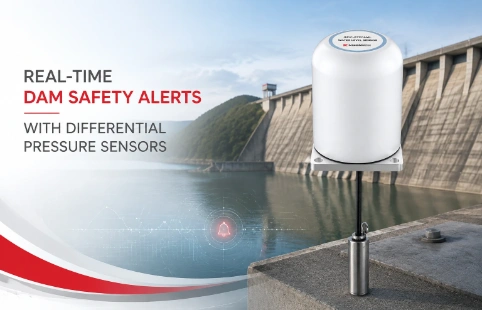
Real-Time Dam Safety Alerts with Differential Pressure Water Level Sensors
Key Takeaways An alert chain needs more than a sensor: define field in...

Wire Crack Meters: Monitoring Structural Cracks Over Time
A hairline crack in a dam or bridge may seem insignificant at first, but over time it can become a serious safety issue. Engineers need reliable data on crack width changes to make informed decisions. That’s where a wire crack meter comes in. This instrument provides continuous, accurate readings of crack movement, allowing for early detection of structural problems. Kingmach has supplied such monitoring tools to projects worldwide, and our wire crack meters are built for long-term field use. Whether you’re tracking fissures in concrete, rock slopes, or tunnel linings, the device translates tiny displacements into measurable signals. The design is straightforward: a tensioned wire spans the crack, connected to a sensor that records any change in distance. It’s a simple concept, but getting it right in harsh environments requires careful engineering. In the sections below, we’ll walk through what makes these meters effective and how Kingmach approaches their design and support.
Technical Detail
Kingmach’s wire crack meters draw on years of experience in geotechnical instrumentation. Unlike generic sensors, these are assembled with attention to the conditions they’ll face—dust, moisture, temperature swings, and vibration. Typical models use either vibrating wire or potentiometric sensing elements. The vibrating wire option gives you stable, long-term readings unaffected by cable length, while the potentiometric type offers lower cost for shorter runs. Both can be ordered with gauge lengths from 50mm to 300mm, and we often customize the anchor fittings, cable connectors, and output signals to match your data logger or SCADA system. The sensor body is sealed against water ingress, and the wire itself is stainless steel, rated for outdoor exposure. Installation is simple: you drill anchors on either side of the crack, mount the sensor, tension the wire, and zero the reading. From there, it measures any widening or closing over time. We understand that every project has its own constraints. That’s why we offer not just the hardware but also guidance on placement, wiring, and calibration. Our technical team can review your site plans and suggest the right setup, whether you need a single meter for a small retaining wall or dozens for a large dam safety network. After the sale, we keep supporting you with spare parts, recalibration, and troubleshooting. Many clients come back to us because we make the process straightforward and the data dependable, without overpromising.
News
Key Takeaways An alert chain needs more than a sensor: define field in...
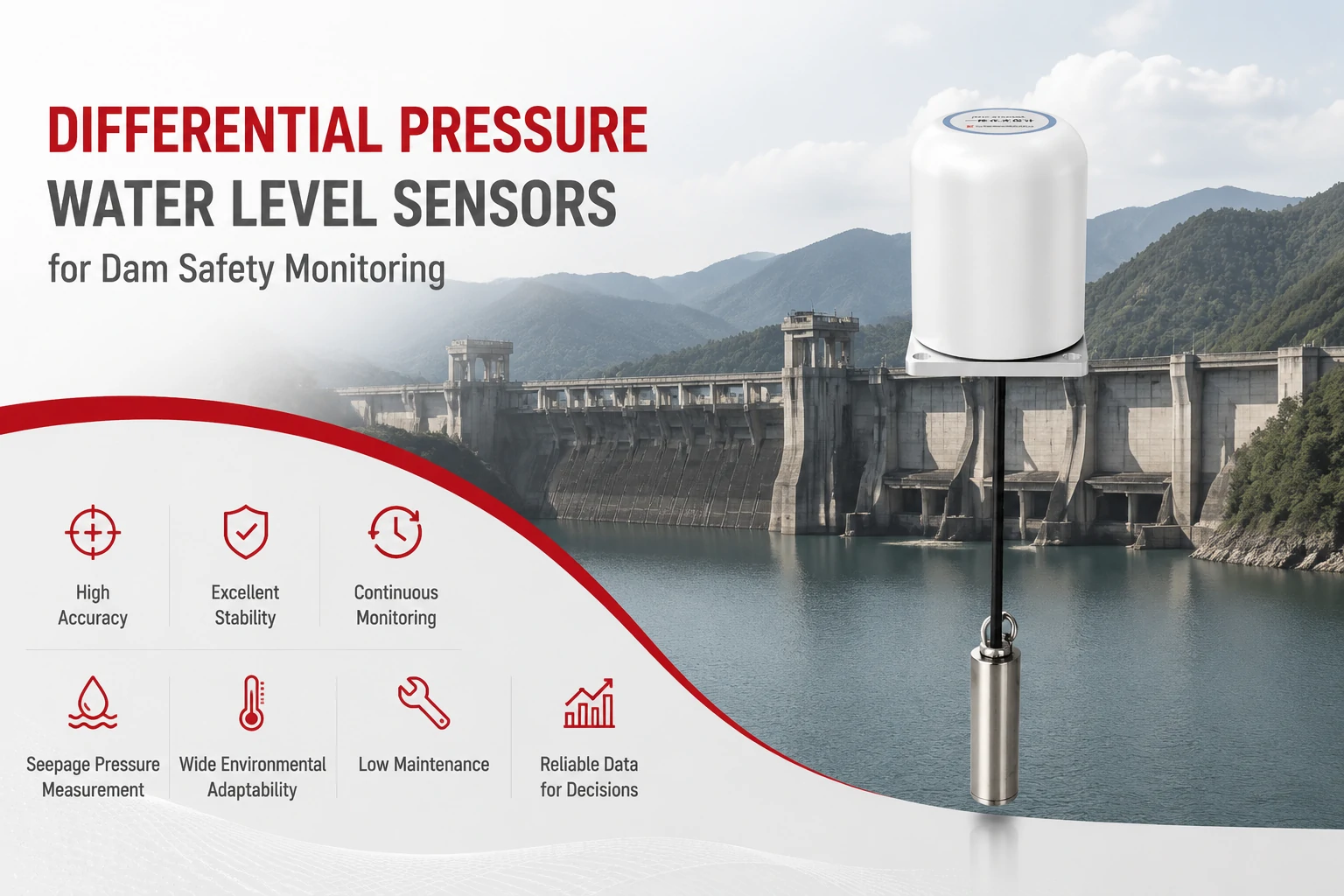
Key Takeaways The strongest fit is usually a confined, submerged, or s...
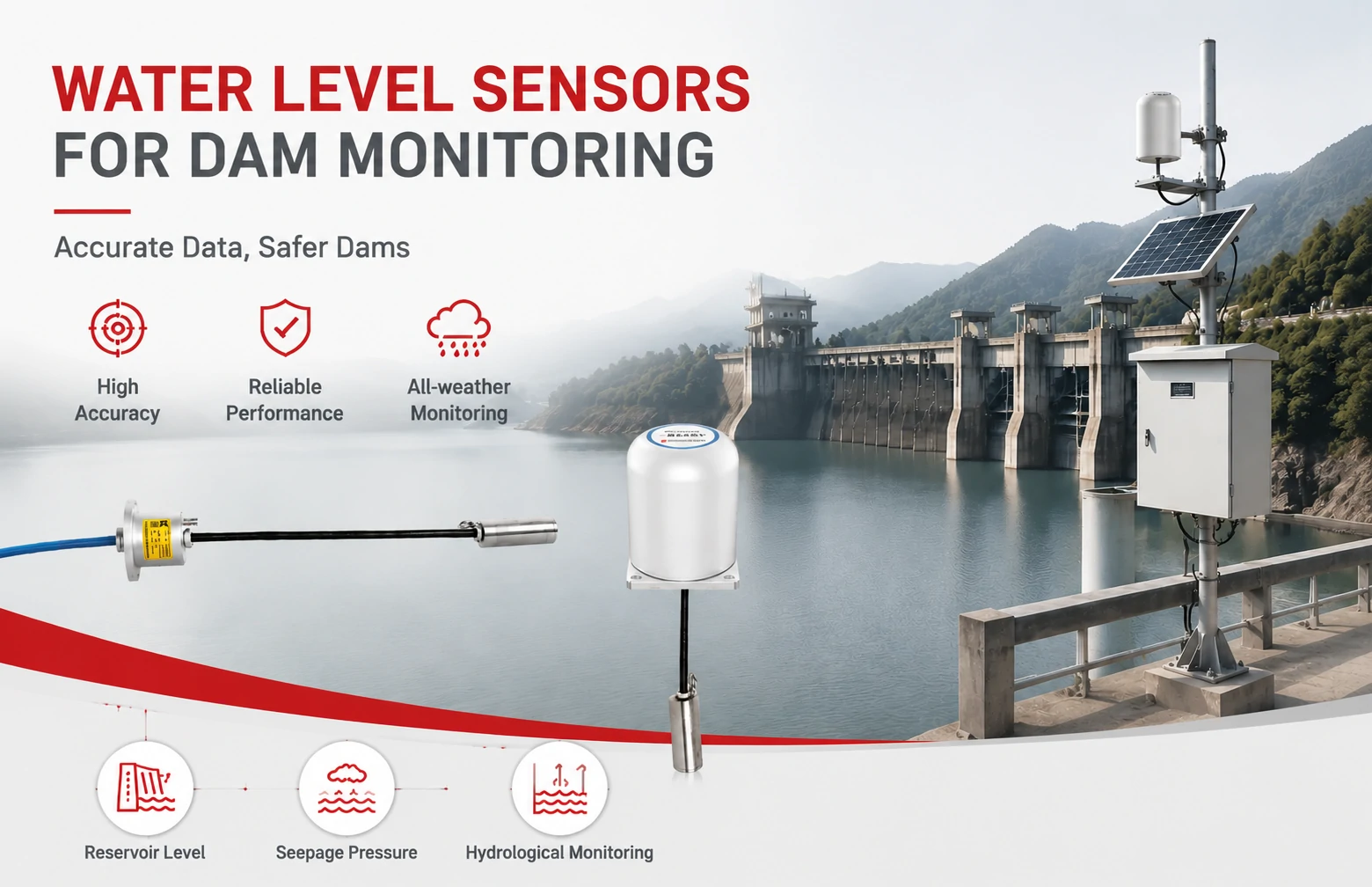
Kingmach Water Level Sensors for Dam Monitoring: A Buyer's Guide to Differential Pre...
Products
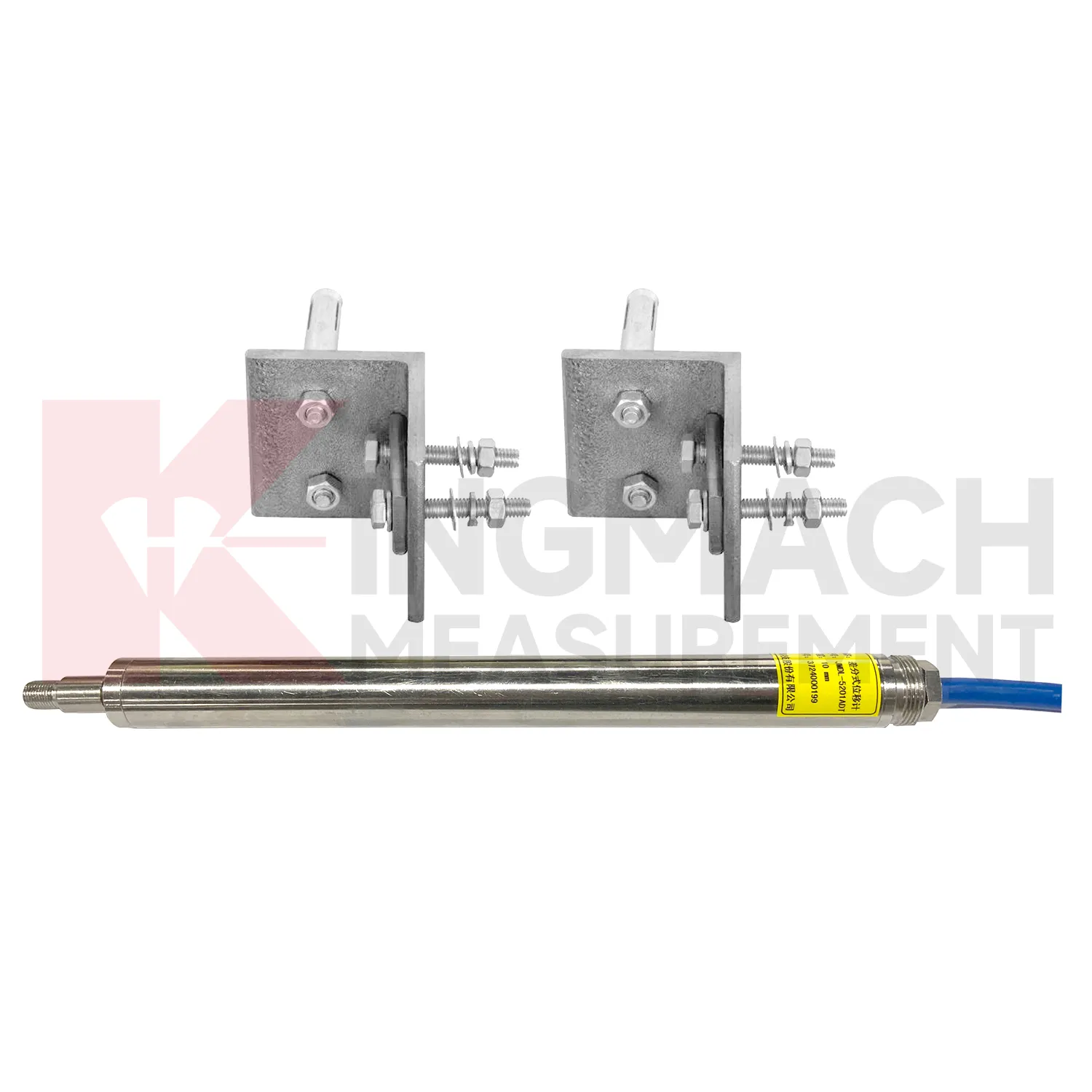
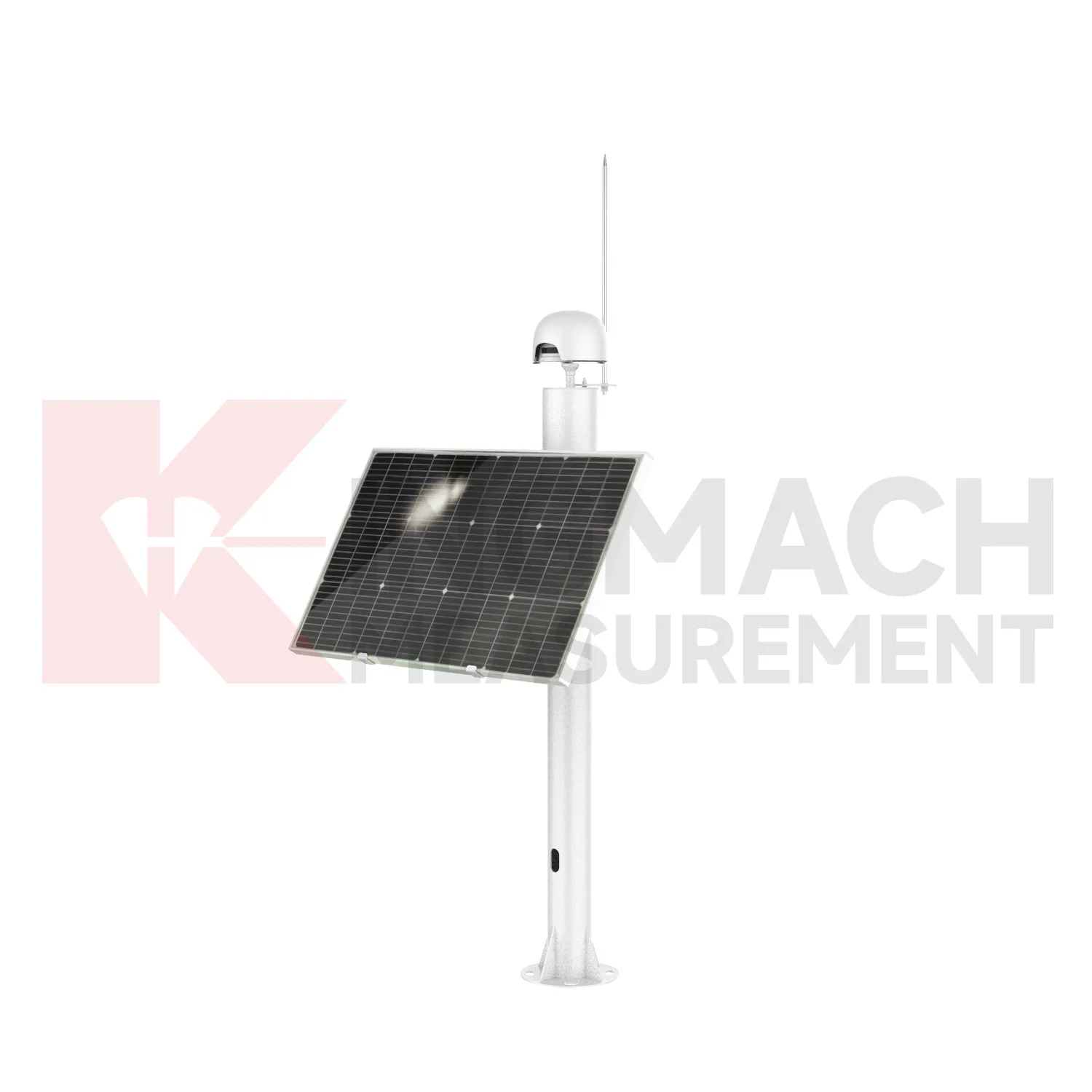
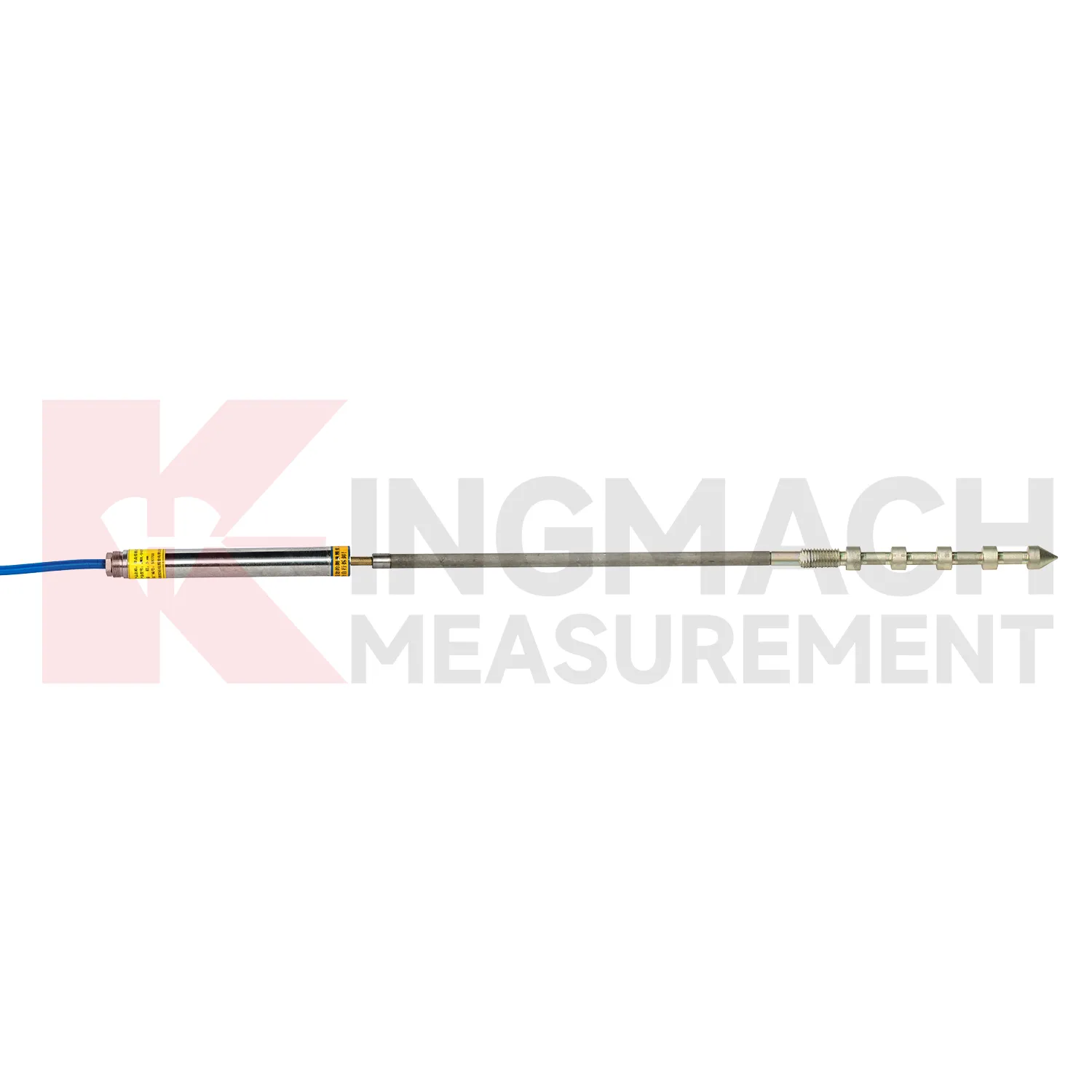
Smart Single-Point Bedrock Displacement Meter JMDL-32XXAT
View DetailsFAQ
Standard models typically cover a range from 10mm to 200mm, but we can adjust the sensor and wire length for wider openings. Just let us know your expected minimum and maximum displacement.
You’ll need to drill two anchor points as close to perpendicular to the crack as possible. We provide adjustable brackets and enough wire to accommodate surface irregularities. A quick alignment check with a straightedge usually does the trick.
Yes. Depending on the sensor type, you can connect to data loggers with 4-20mA, RS485, or SDI-12 outputs. We also help set up cloud-based monitoring if your project requires it.
The wire should be checked for rust or slack once a year. The sensor itself is sealed, but we recommend a quick electrical check every two years. We can recalibrate them at our factory if needed.
Absolutely. We can send a supervisor or partner with a local contractor. We also offer remote training sessions to guide your crew through the process.
Share your product type, target capacity, and application requirements. Our team can review the details and recommend a practical next step.
If you are interested in our products or want to become our partner.
Please leave your contact information, our team will contact you as soon as possible.
Mail: [email protected]
Contact Us: +8613808434127
Address: No. 188 Tongzipo West Rd, Changsha, Hunan, China