
 EN
EN
 ar
ar bg
bg hr
hr cs
cs da
da nl
nl fi
fi fr
fr de
de el
el hi
hi it
it ko
ko no
no pl
pl pt
pt ro
ro ru
ru es
es sv
sv tl
tl iw
iw id
id lv
lv lt
lt sr
sr sk
sk sl
sl uk
uk vi
vi et
et hu
hu th
th tr
tr fa
fa ms
ms hy
hy ka
ka ur
ur bn
bn mn
mn ta
ta kk
kk uz
uz ku
ku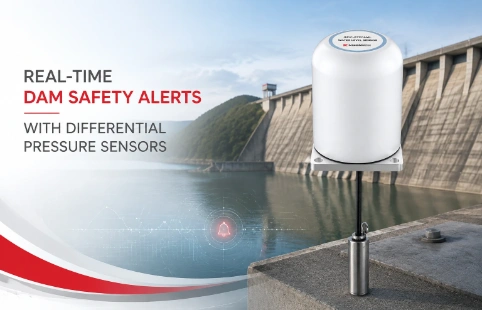
Real-Time Dam Safety Alerts with Differential Pressure Water Level Sensors
Key Takeaways An alert chain needs more than a sensor: define field in...

Calibration of Load Cells: Keeping Your Measurements in Check
A load cell that’s even slightly off can throw an entire project out of spec. You might not see it coming—one day the numbers look fine, the next they’re drifting just enough to cause doubt. At Kingmach, we’ve spent years working with geotechnical and industrial monitoring systems, so we know that calibration isn’t just a checkbox on a maintenance list. It’s what keeps the data trustworthy. We don’t overcomplicate the process; we just make sure your sensors get checked against known standards, whether in our lab or at your site. And because we’re set up for global support, getting help usually isn’t the headache you expect.
Technical Detail
When a load cell arrives at our calibration bench, the first thing we do is a visual and electrical check. Corrosion, damaged cables, or zero balance that’s wandered too far—these are signs the sensor needs more than a simple adjustment. Then we move to deadweight force reference machines or calibrated master load cells, depending on the capacity range. All our references are traceable to national metrology institutes, so the numbers hold up if you’re ever audited. We load the cell in steps, usually five or six points across its range, and record output for loading and unloading. This gives us linearity, hysteresis, and repeatability—three indicators that quickly show if the cell is still within its original spec. For sensors that have drifted, we check if gain adjustment or shunt calibration brings them back. Some can be corrected on the spot; others need a more thorough overhaul. Because Kingmach isn’t just a calibration house but a manufacturer of monitoring instruments, we understand how these sensors behave in real field conditions. That means we can spot problems that a generic metrology lab might miss. We also handle custom ranges, non-standard outputs, and multi-axis setups that come with our own product line as well as third-party brands. After calibration, each unit gets a detailed certificate with as-found and as-left data, so you know exactly what changed. If on-site service makes more sense—say, for permanently installed silo or pile testing systems—we pack the portable equipment and come to you. The goal isn’t just to meet a tolerance on paper; it’s to make sure the load cell does its job reliably until the next scheduled check.
News
Key Takeaways An alert chain needs more than a sensor: define field in...
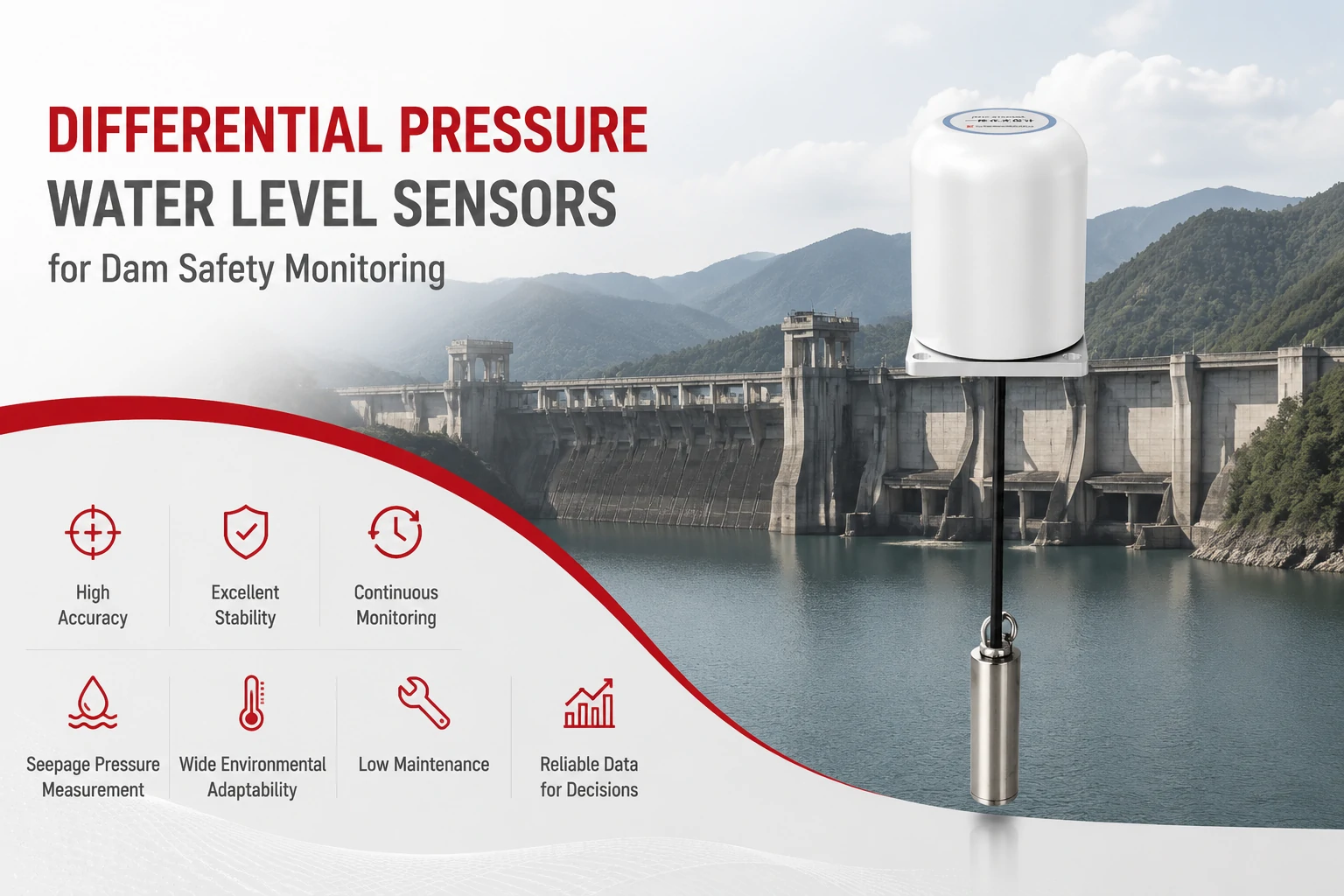
Key Takeaways The strongest fit is usually a confined, submerged, or s...
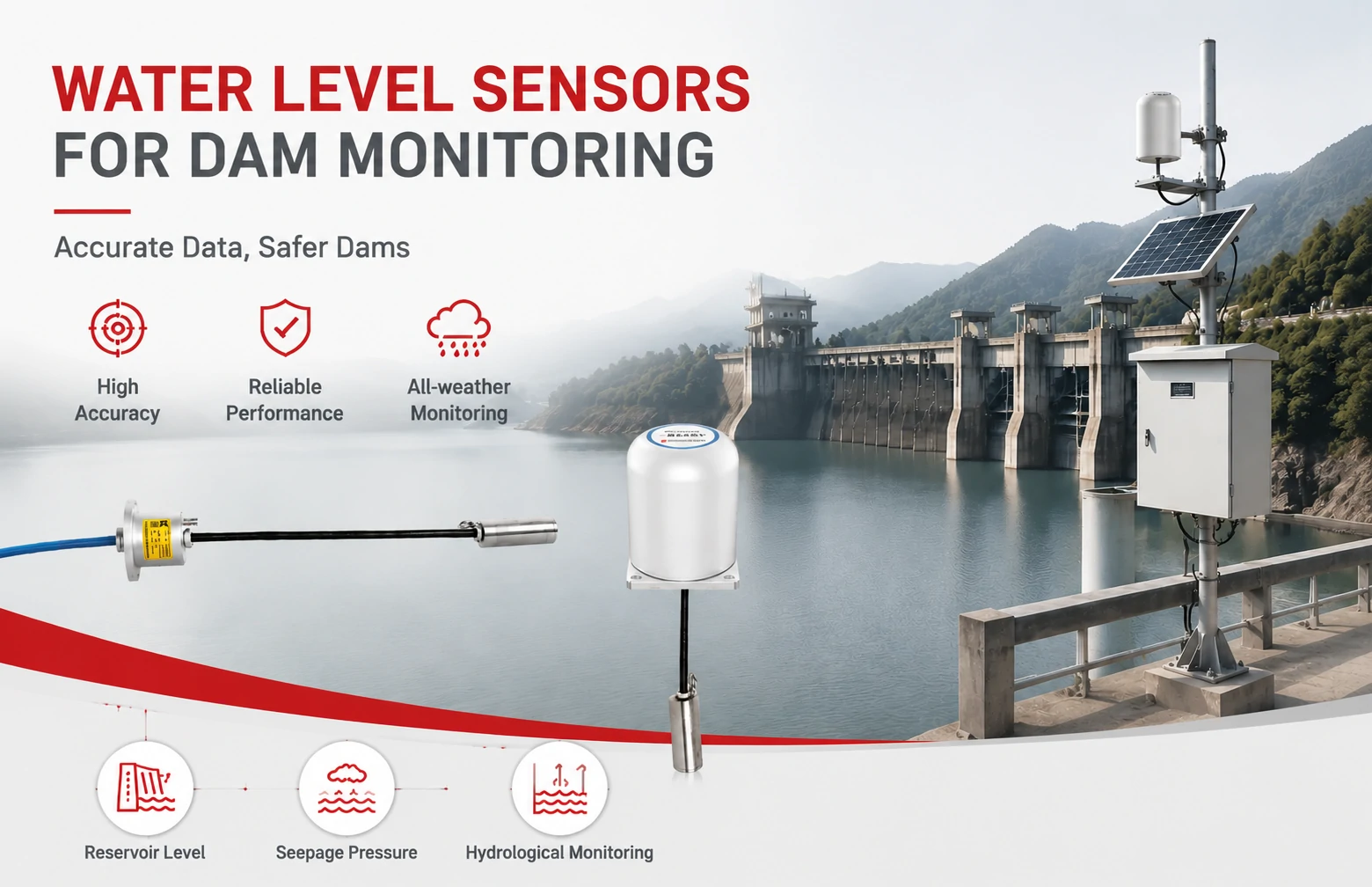
Kingmach Water Level Sensors for Dam Monitoring: A Buyer's Guide to Differential Pre...
Products
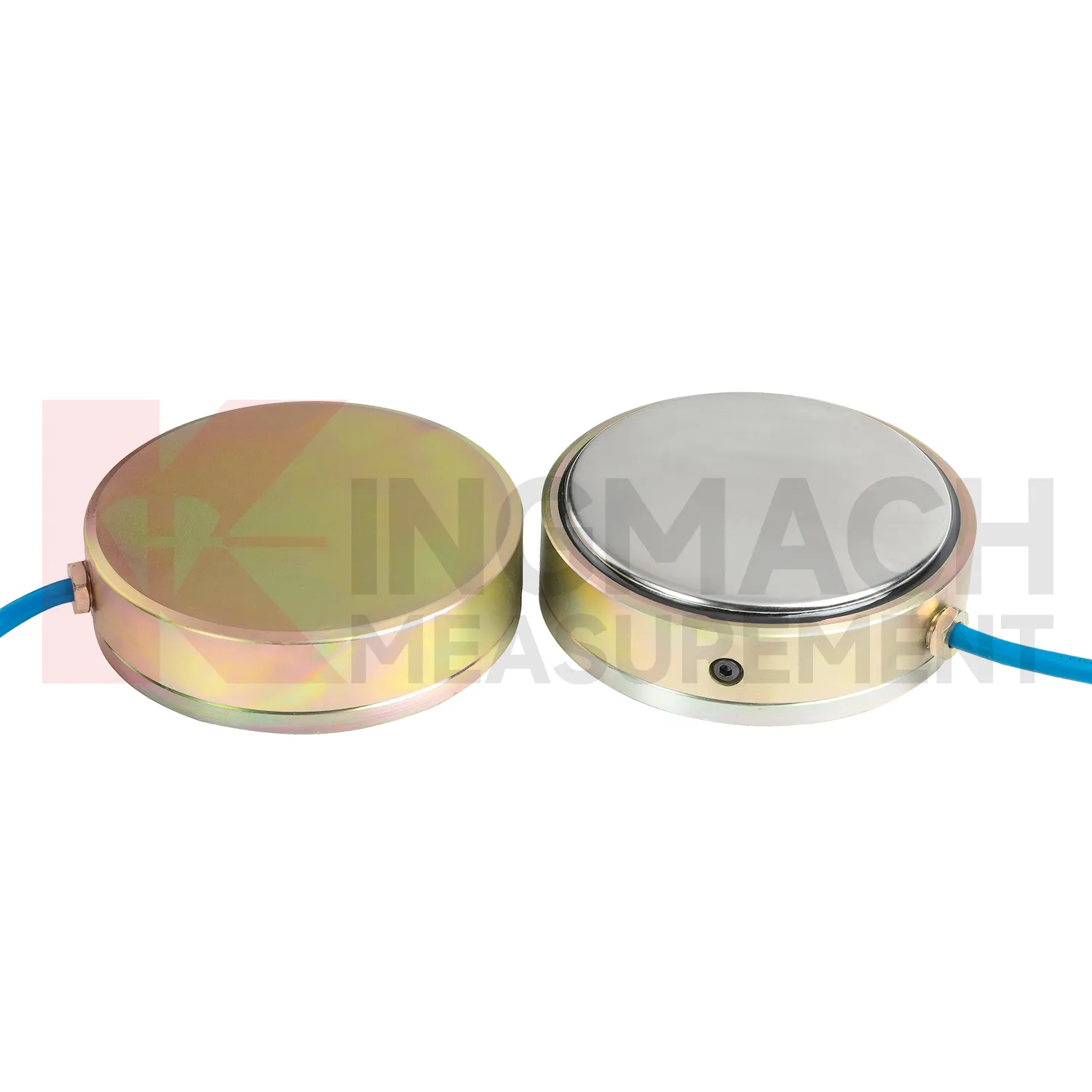
Large Earth Pressure Cell ( VW & Smart Type) JMZX-51XXAT/ ATM
View Details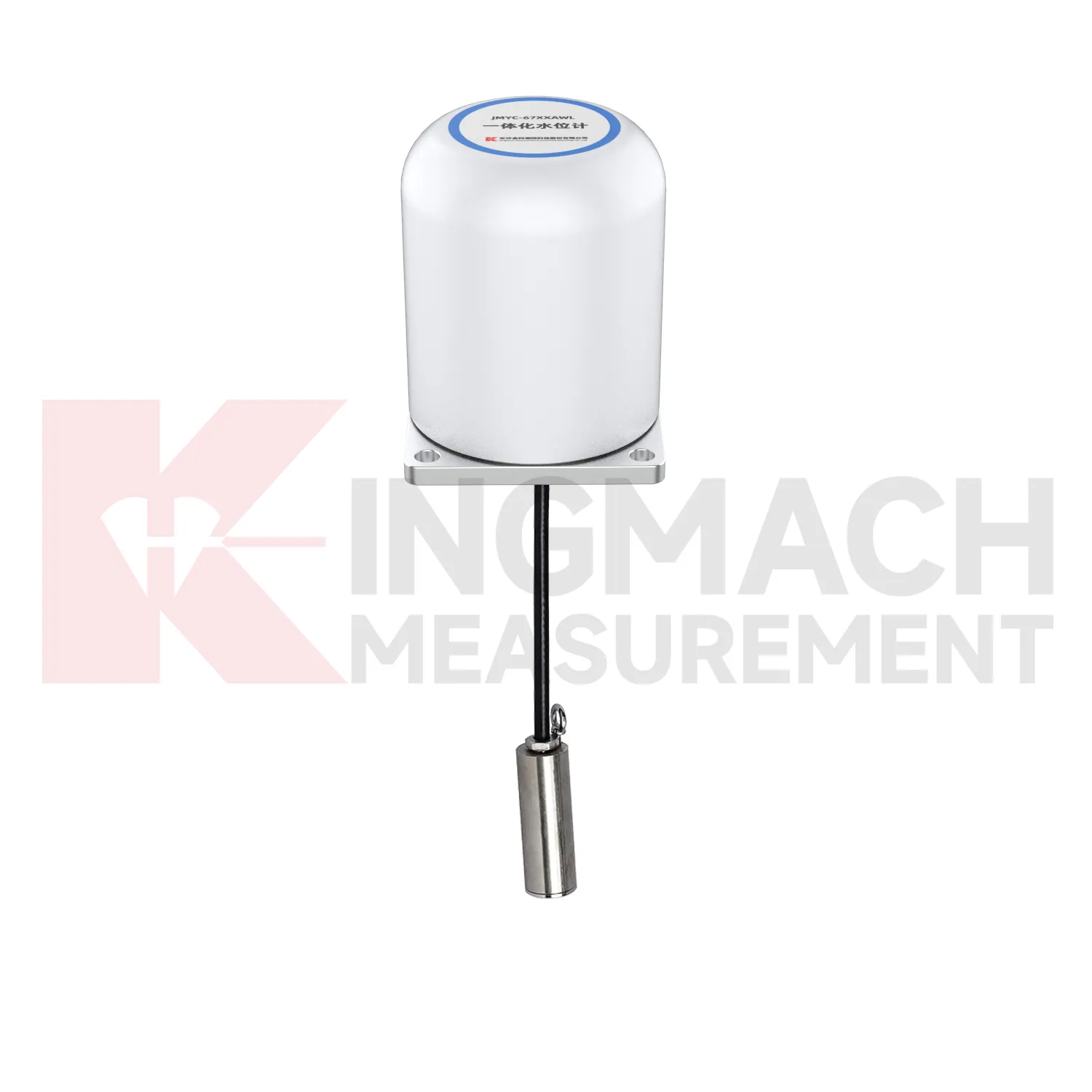
Integrated Wide-Range Differential Pressure Water Level Meter JMYC-67XXAWL
View Details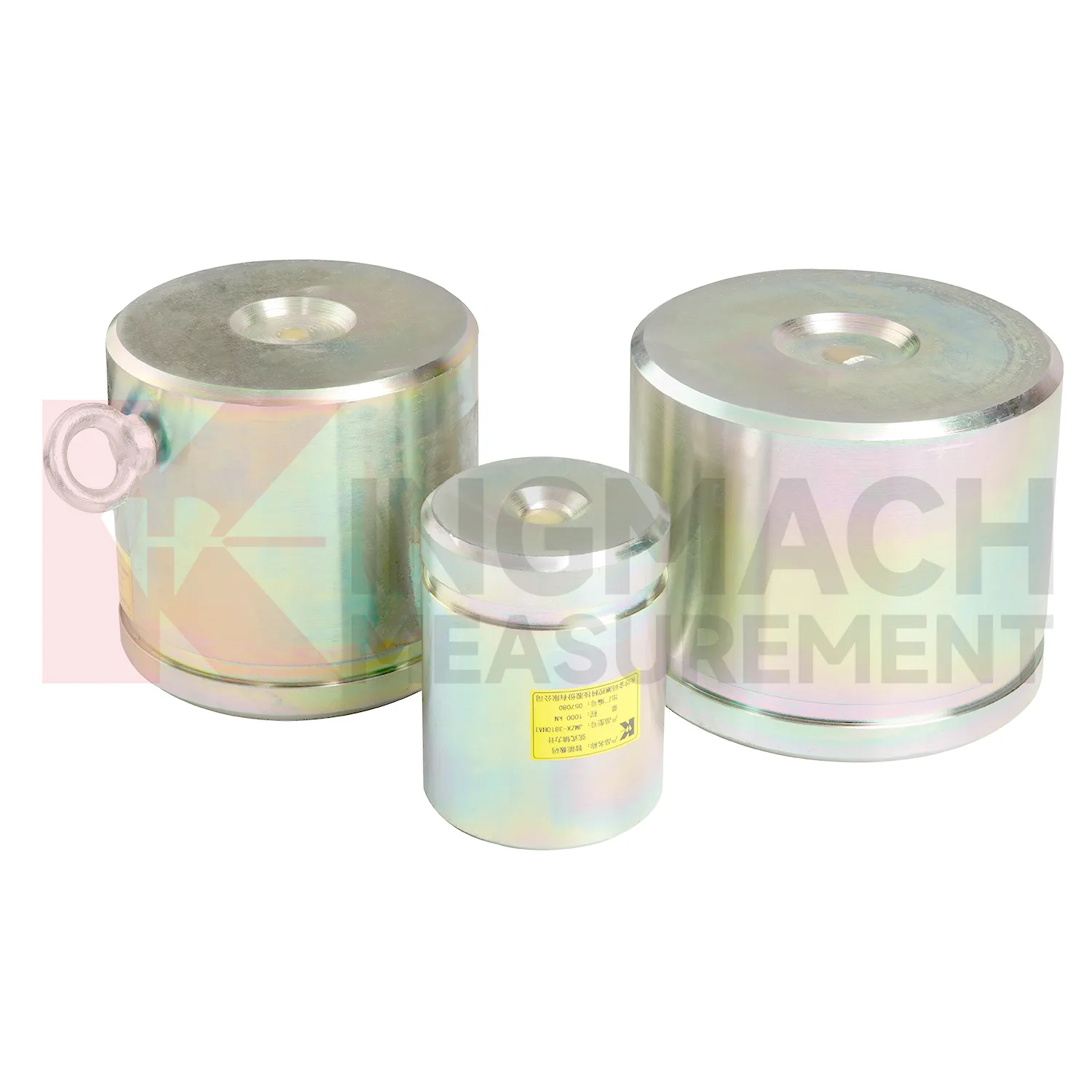
Axial Force Load Meter ( VW & Smart Type)JMZX-38XXHAT
View DetailsFAQ
You might notice zero balance has shifted, readings fluctuate more than usual, or the output no longer matches the applied load in a predictable way. A quick check with a known test weight can reveal a problem before it affects your process.
We follow procedures based on ISO 376 and ASTM E74 where applicable, and all force references are traceable to national metrology institutes. The certificate we issue includes the measurement uncertainty and test conditions.
Yes. Our lab is equipped to handle a wide range of brands and capacities, from micro load cells up to large-capacity compression cells used in geotechnical monitoring.
Both options are available. If the load cell is part of a permanent installation that’s difficult to remove, we can bring portable force standards to your location. This works well for tank weighing systems or structural monitoring setups.
A typical certificate lists the sensor’s identification, date of calibration, test equipment used, environmental conditions, applied loads and corresponding outputs, calculated non-linearity and hysteresis, and the overall measurement uncertainty. As-found and as-left results are documented if any adjustments were made.
Share your product type, target capacity, and application requirements. Our team can review the details and recommend a practical next step.
If you are interested in our products or want to become our partner.
Please leave your contact information, our team will contact you as soon as possible.
Mail: [email protected]
Contact Us: +8613808434127
Address: No. 188 Tongzipo West Rd, Changsha, Hunan, China