
 EN
EN
 ar
ar bg
bg hr
hr cs
cs da
da nl
nl fi
fi fr
fr de
de el
el hi
hi it
it ko
ko no
no pl
pl pt
pt ro
ro ru
ru es
es sv
sv tl
tl iw
iw id
id lv
lv lt
lt sr
sr sk
sk sl
sl uk
uk vi
vi et
et hu
hu th
th tr
tr fa
fa ms
ms hy
hy ka
ka ur
ur bn
bn mn
mn ta
ta kk
kk uz
uz ku
ku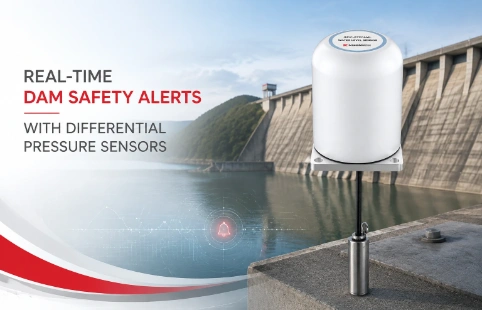
Real-Time Dam Safety Alerts with Differential Pressure Water Level Sensors
Key Takeaways An alert chain needs more than a sensor: define field in...

Gauge Water Level That Works When Readings Matter
A few millimeters of change in a standpipe can signal trouble in a dam foundation or a landslide-prone slope. The gauge that catches that shift needs to be more than accurate on a spec sheet. Kingmach’s water level gauges are built around the reality of field conditions—temperature swings, long cable runs, and installations that are hard to revisit. The range covers everything from portable dipmeters for quick site checks to submersible transducers that feed real-time data into centralized monitoring systems. There’s no one-size-fits-all sensor, which is why customization of cable length, range, and output is standard practice rather than an exception.
Technical Detail
Water level monitoring spans a wide spectrum. A simple observation well in a rural aquifer needs a different tool than a vibrating-wire piezometer embedded in a concrete dam. Kingmach’s approach to the gauge water level category starts with a deep inventory of sensor types—conductivity-based dipmeters, pressure transducers (vented and non-vented), and vibrating-wire models—each suited to particular environments. For shallow groundwater, a portable gauge with audio and visual indicators keeps field crews efficient. For long-term remote stations, 4-20 mA or RS-485 outputs integrate directly with data loggers and SCADA. Materials matter, too: sensors exposed to acidic mine water or saltwater intrusion are often ordered with Hastelloy or ceramic elements instead of standard stainless steel. What sets Kingmach apart from catalogue vendors is the conversation before the shipment. Many projects involve boreholes with non-standard diameters, fluctuating water tables, or aggressive chemistry. The technical support team routinely helps engineers match sensor specs to the actual installation conditions—confirming cable lengths, connector types, and overpressure ratings—rather than leaving them with a “best fit” guess. Customization does not stop at hardware; calibration ranges can be shifted to match the expected head, and data sheets are provided for each instrument so that site calibration checks are straightforward. Global distribution means short lead times for most regions, and after-sales support continues through the life of the instrument. In an industry where a data gap can trigger a missed warning, having a supplier that treats water level monitoring as an engineering problem rather than a commodity sale makes a practical difference.
News
Key Takeaways An alert chain needs more than a sensor: define field in...
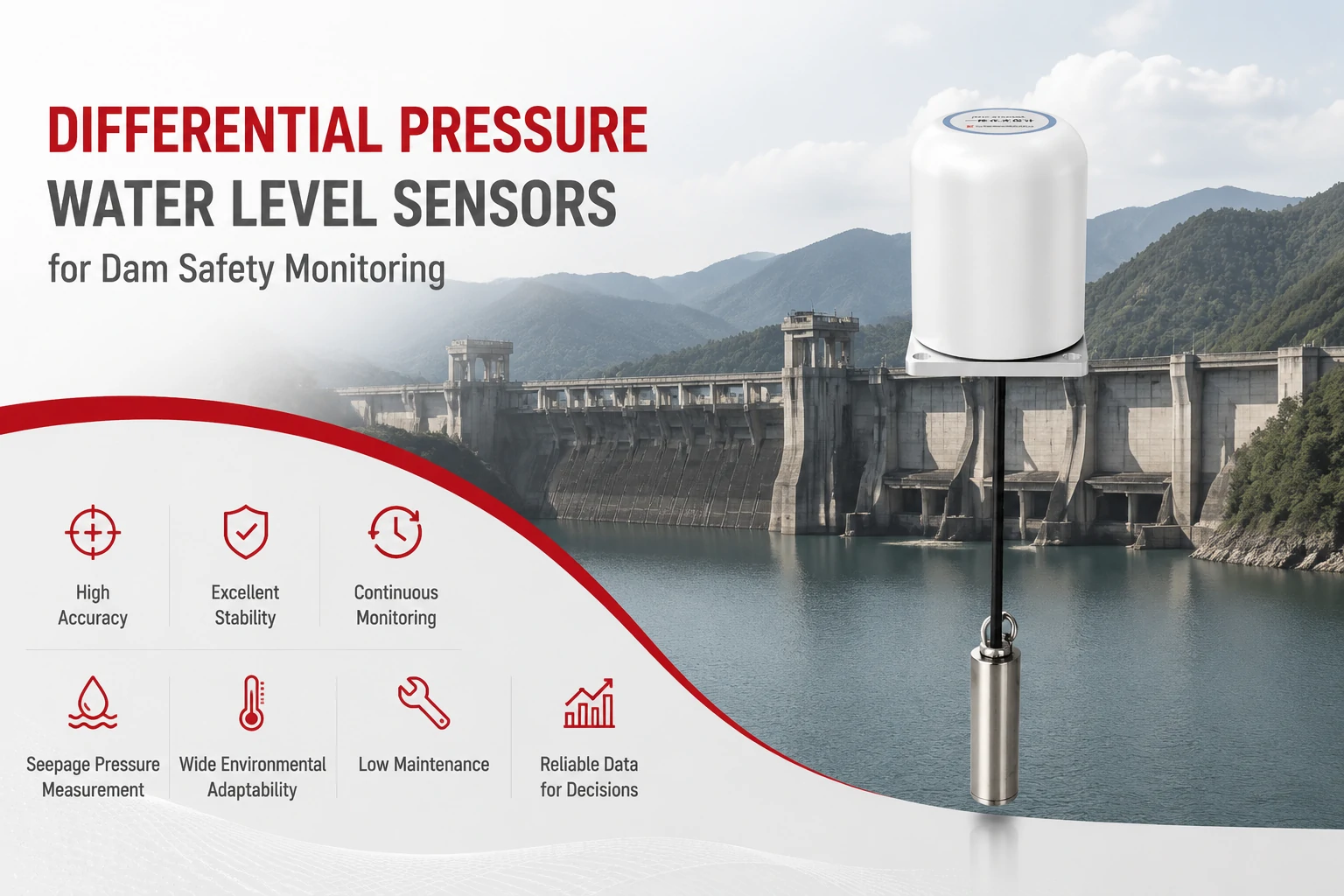
Key Takeaways The strongest fit is usually a confined, submerged, or s...
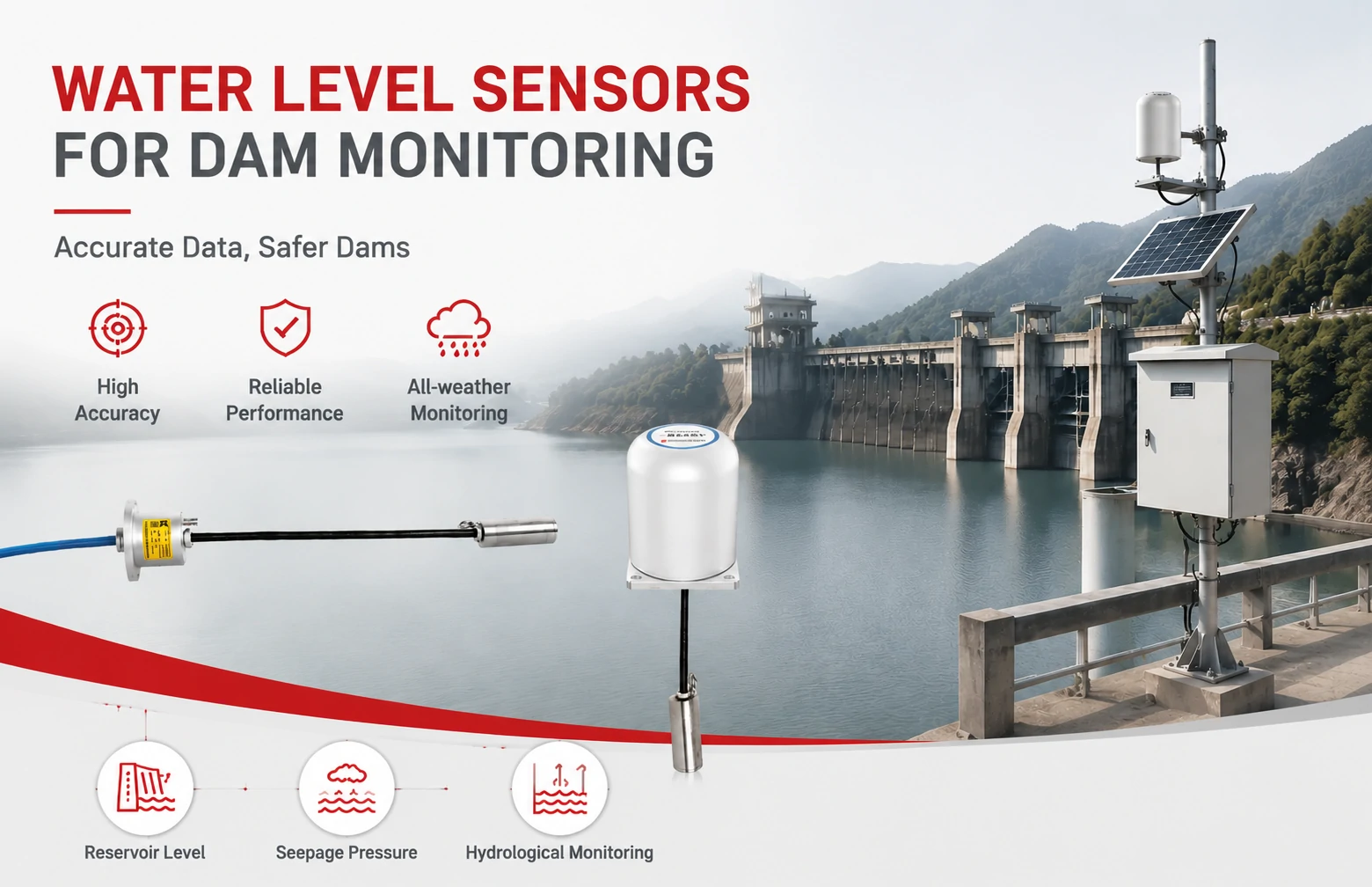
Kingmach Water Level Sensors for Dam Monitoring: A Buyer's Guide to Differential Pre...
Products
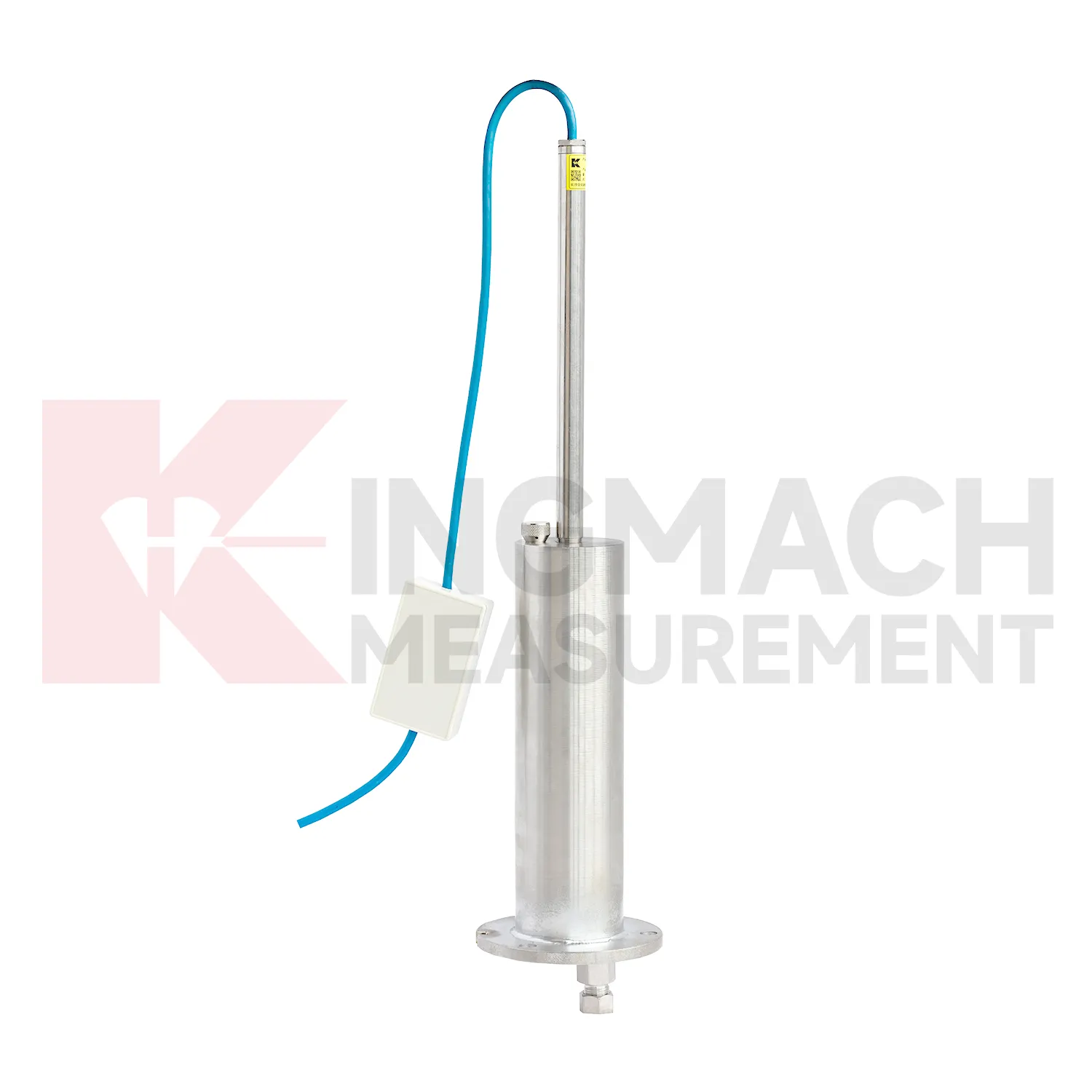
Inductive Frequency-Modulated Hydrostatic Level SensorJMDL-62XXAT、ADT
View Details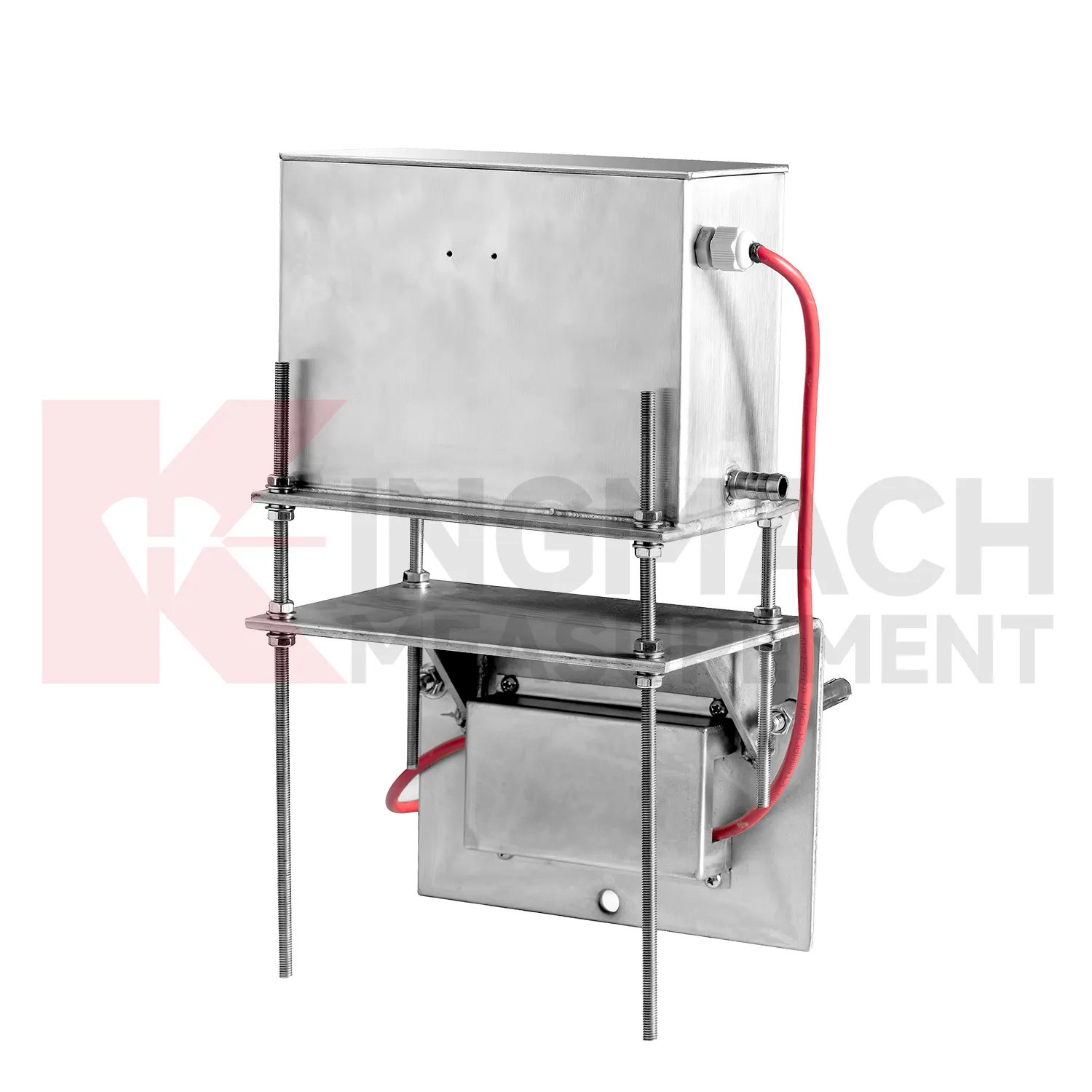
Micro Range Hydrostatic Level Sensor JMQJ-62XXADT
View Details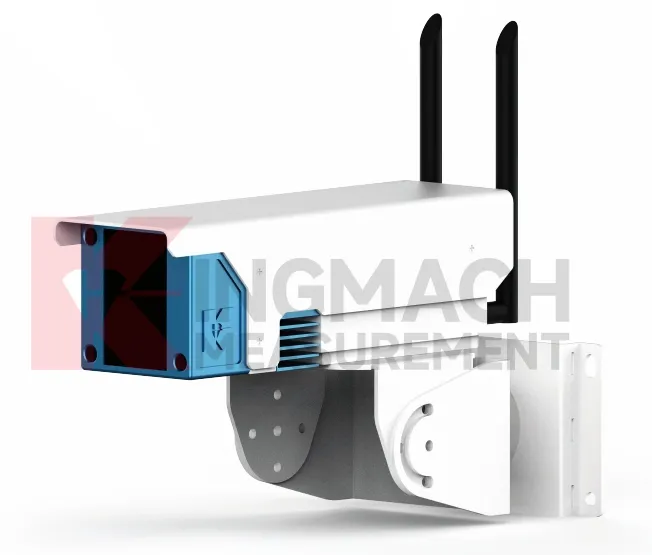
FAQ
For deep or hard-to-access boreholes, a submersible pressure transducer with a cable strong enough for its own weight is often the most practical. Vented types automatically compensate for barometric pressure, but non-vented works with a separate barometric sensor at the surface. The choice comes down to whether the extra cost and smaller cable diameter of a vented gauge are justified by the required accuracy.
You can, but the material matters a lot. Standard stainless steel sensors corrode quickly in saltwater or brackish environments. Kingmach can supply gauges with Hastelloy or ceramic-body sensors that hold up longer. It’s always worth mentioning the water chemistry when you specify, because even “clean” groundwater can become aggressive when it mixes with drilling fluids or leachate.
Most industrial loggers accept a 4-20 mA analog loop or a digital RS-485 (Modbus) signal. Before ordering, check your logger’s input configuration and available power—some transducers need a regulated 10–30 V DC supply. Kingmach ships instruments with the output you request, and the wiring schematics are included. If you’re unsure, the support team can review your logger model and suggest the right signal option.
Accuracy depends on the technology. A simple dipmeter might get you within 1 centimeter, which is fine for many groundwater monitoring wells. Pressure transducers are typically specified at 0.1% to 0.25% full scale, but remember that the effective accuracy at the water surface also depends on barometric compensation and temperature drift. For critical applications, calibrating the gauge in the actual installation borehole improves confidence more than relying on factory specs alone.
Yes. For construction dewatering or short-term pumping tests, portable dipmeters or reusable pressure transducers are commonly used. They can be rented or purchased, and the team can recommend a rugged cable design that copes with frequent handling. After the project, the instruments are often recalibrated and redeployed on the next site, which keeps costs down for contractors.
Share your product type, target capacity, and application requirements. Our team can review the details and recommend a practical next step.
If you are interested in our products or want to become our partner.
Please leave your contact information, our team will contact you as soon as possible.
Mail: [email protected]
Contact Us: +8613808434127
Address: No. 188 Tongzipo West Rd, Changsha, Hunan, China