
 EN
EN
 ar
ar bg
bg hr
hr cs
cs da
da nl
nl fi
fi fr
fr de
de el
el hi
hi it
it ko
ko no
no pl
pl pt
pt ro
ro ru
ru es
es sv
sv tl
tl iw
iw id
id lv
lv lt
lt sr
sr sk
sk sl
sl uk
uk vi
vi et
et hu
hu th
th tr
tr fa
fa ms
ms hy
hy ka
ka ur
ur bn
bn mn
mn ta
ta kk
kk uz
uz ku
ku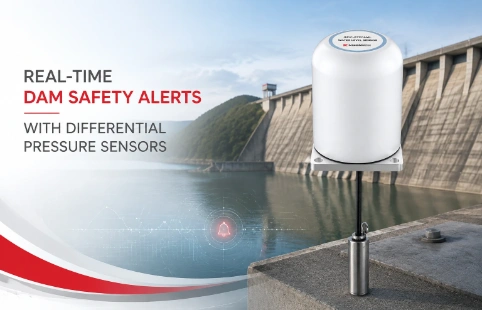
Real-Time Dam Safety Alerts with Differential Pressure Water Level Sensors
Key Takeaways An alert chain needs more than a sensor: define field in...

Load Cell Resolution: Getting the Numbers That Matter
When a weighing system drifts by a few grams, the problem often points back to resolution. But what does load cell resolution actually mean? It's not just about how many digits flash on a display. It's the smallest change in load that a sensor can reliably detect, usually expressed as a fraction of the full-scale output. For geotechnical monitoring, where early warnings depend on millimeter-level deformation or tiny pressure shifts, resolution separates a useful instrument from noise. Kingmach designs instruments with careful attention to the analog signal path and internal filtering, so the resolution quoted on a datasheet translates into repeatable field data. This isn't just theory. It affects how you waterproof an installation or whether you really need a 24-bit ADC. In the following sections, we'll break down the specs that matter, how to compare them across sensor families, and where practical limits show up in real monitoring setups.
Technical Detail
Load cell resolution is typically specified as a percentage of rated output (e.g., 0.01% FS) or as a minimum stable increment. But the usable resolution in the field depends on more than the sensor element. The strain gauge bridge, excitation stability, and noise from cables or temperature gradients all play a part. Kingmach takes a systems approach. Our geotechnical load cells use high-sensitivity strain gauges, often with full Wheatstone bridge configurations, to achieve resolutions in the range of 0.005% to 0.02% FS, depending on capacity and environment. That means a 500 kN anchor load cell can resolve a few tens of newtons, enough to catch subtle load redistribution during a tunnel excavation. For vibrating wire load cells, the frequency sensitivity directly translates into load resolution, and we optimize the wire tension and magnetic circuit to keep the signal clean across long cable runs. Data loggers matter too. A 16-bit analog-to-digital converter may deliver a theoretical resolution of 1 part in 65,536, but in practice the last few bits can be unstable. Kingmach's companion readout units use auto-averaging and low-noise front ends to recover resolution that cheaper loggers lose. When you spec a monitoring system, don't just compare advertised resolution numbers. Ask about the full measurement chain, from sensor to software. Our application engineers can help you evaluate compatibility with existing data acquisition systems and advise on cable shielding, waterproofing, and mounting techniques that protect the resolution you paid for. We also offer custom calibration certificates that document repeatability and hysteresis, so you can judge the true resolution under load. With a global distribution network and a wide product range covering everything from micro load cells for soil nails to high-capacity units for pile tests, Kingmach supports projects from planning to long-term monitoring.
News
Key Takeaways An alert chain needs more than a sensor: define field in...
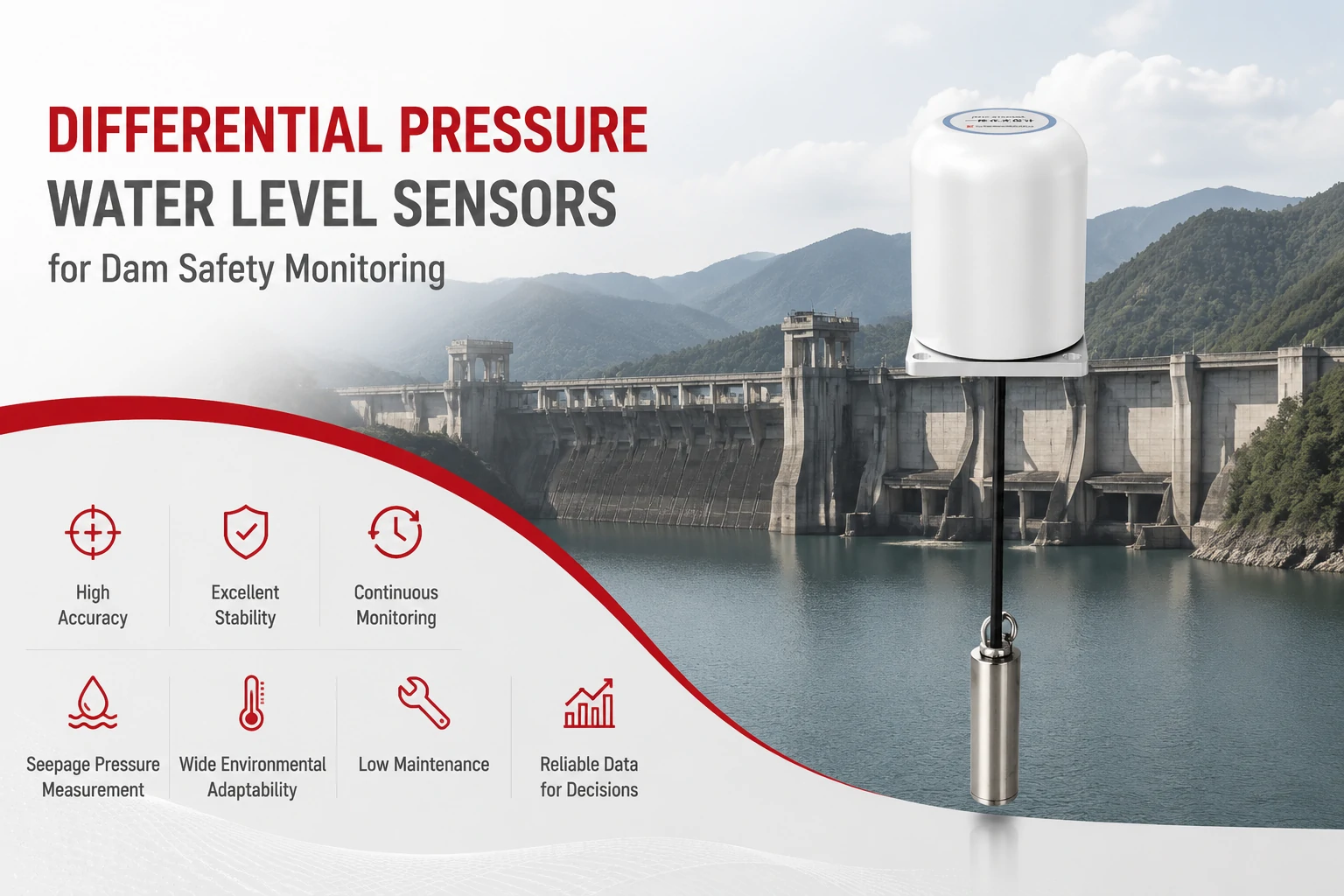
Key Takeaways The strongest fit is usually a confined, submerged, or s...
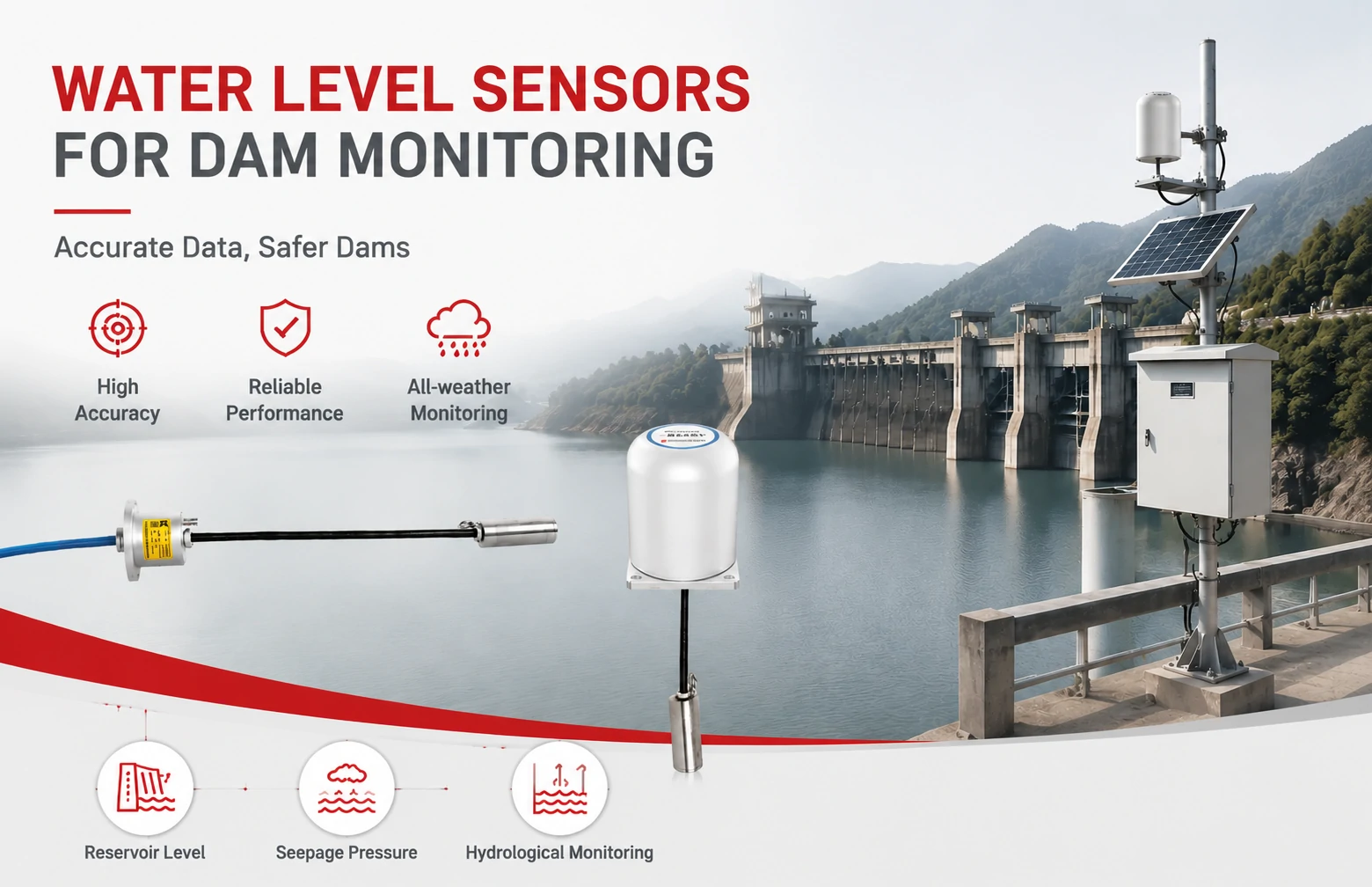
Kingmach Water Level Sensors for Dam Monitoring: A Buyer's Guide to Differential Pre...
Products
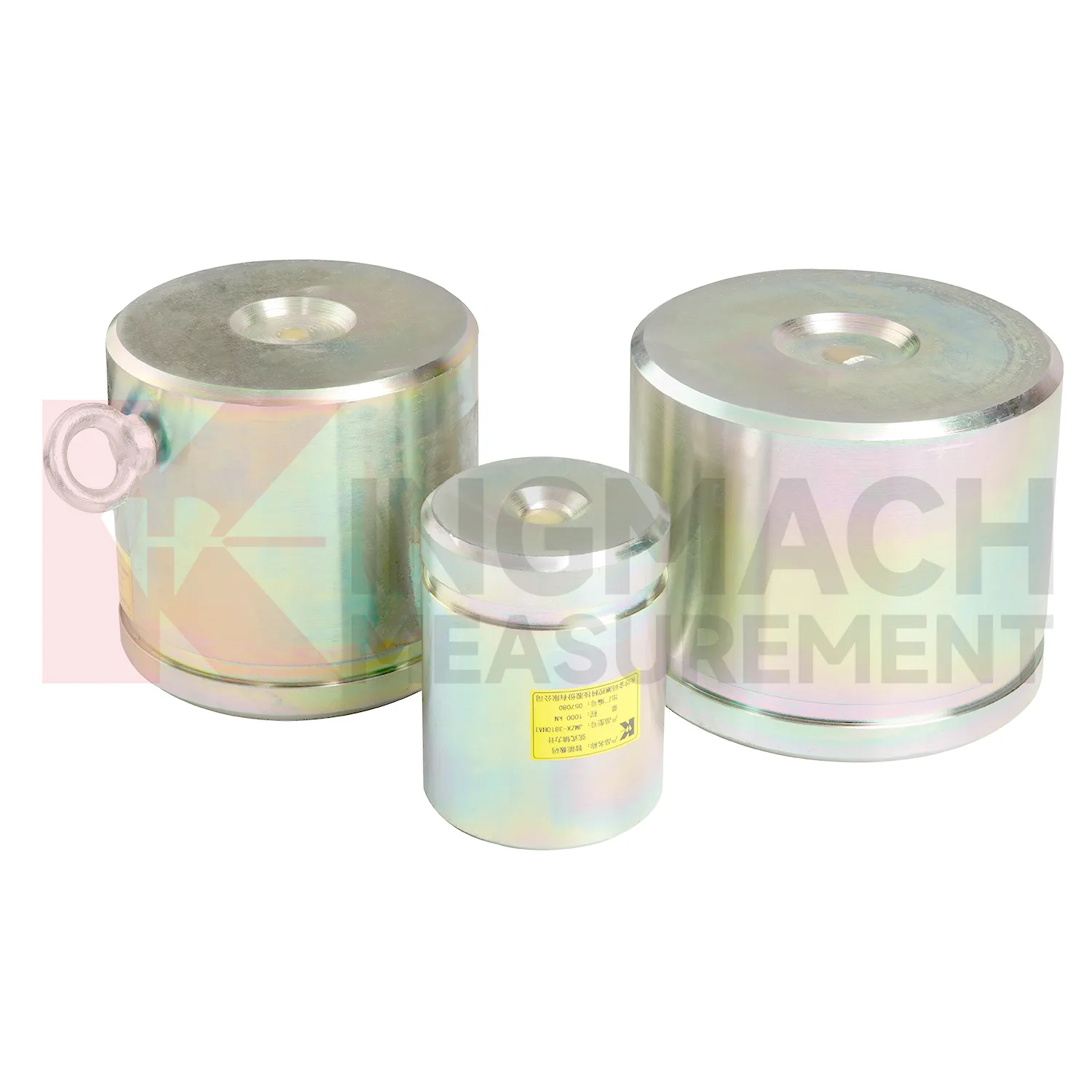
Axial Force Load Meter ( VW & Smart Type)JMZX-38XXHAT
View Details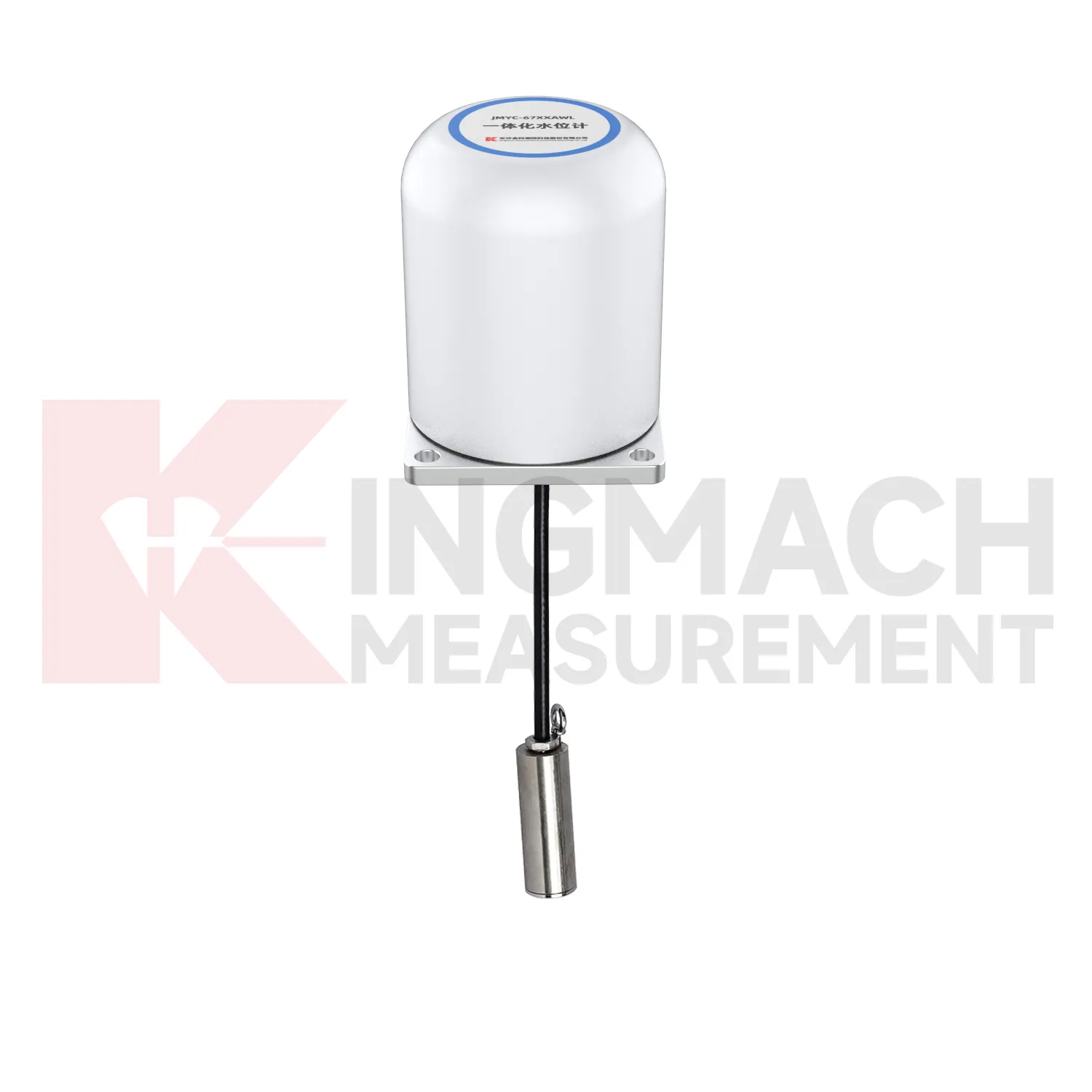
Integrated Wide-Range Differential Pressure Water Level Meter JMYC-67XXAWL
View Details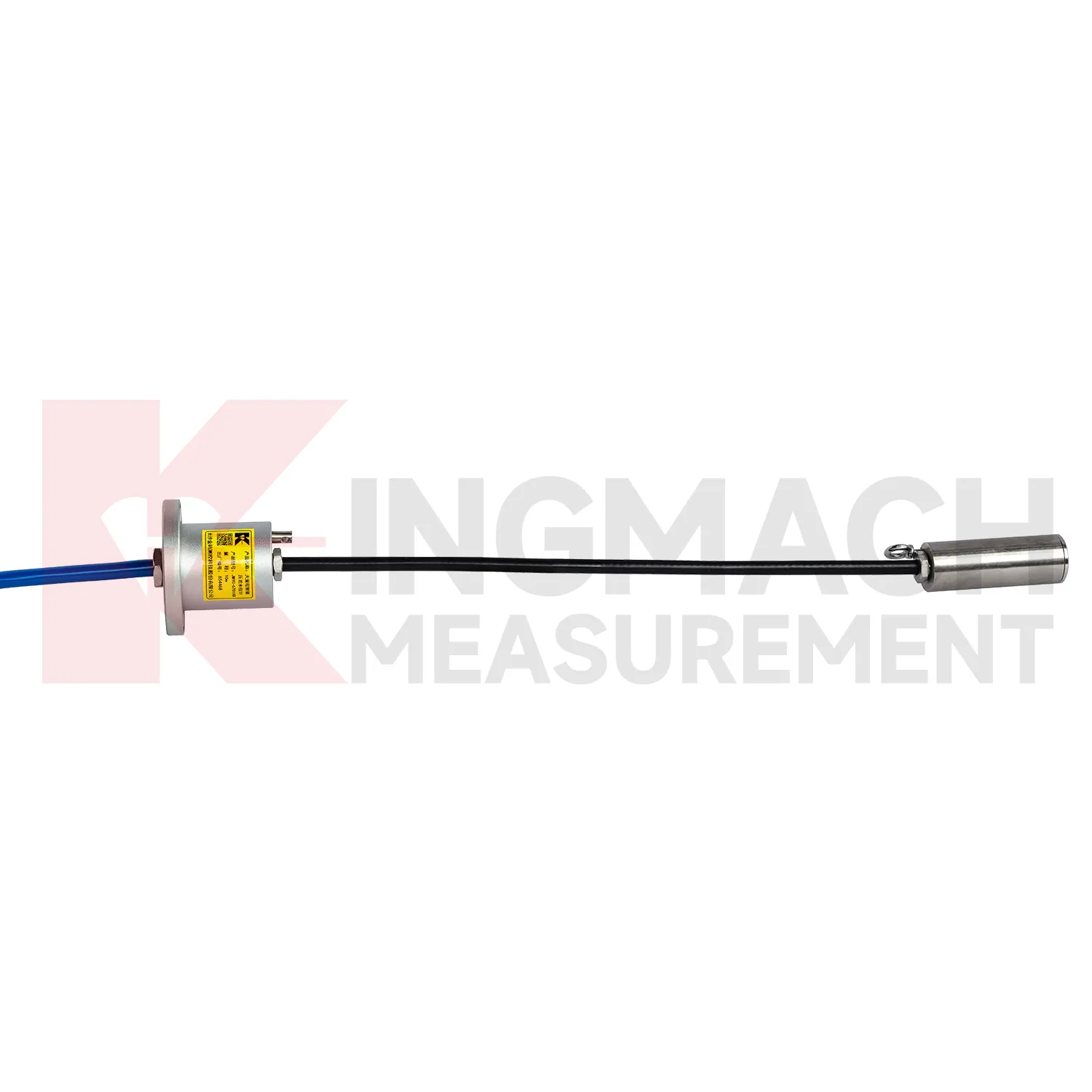
Wide-Range Smart Differential Pressure Water Level Meter JMYC-67XXAD
View DetailsFAQ
Resolution is the smallest load change the sensor can detect, while accuracy is how close the reading is to the true value. A sensor might have high resolution but poor accuracy if it’s not properly calibrated. Both matter, and they’re interconnected. In practice, resolution often limits repeatability, which is a key part of accuracy.
Start with the smallest load change you need to measure. For a retaining wall, you might want to detect a load shift of 0.1% of the total anchor force. Compare that to the sensor’s rated output and the logger’s effective resolution. Also consider environmental noise — temperature changes can mask fine resolution if the sensor isn’t compensated. Kingmach can help you run through the numbers for your specific setup.
Not necessarily. Digital load cells have integrated electronics that can filter noise and give a stable reading, which often improves usable resolution. But the quality of the analog front end still dominates. A well-designed analog sensor with a good external signal conditioner can match or exceed the resolution of a mediocre digital unit. It’s about the whole signal chain.
Yes, especially with low-output sensors. Long cables add resistance and can pick up electromagnetic interference, which degrades the signal-to-noise ratio. For vibrating wire sensors, cable length mainly affects the meter’s ability to excite the coil, but modern readouts handle several kilometers without issue. Kingmach provides wiring diagrams and cable specs to help you avoid installation pitfalls.
Share your product type, target capacity, and application requirements. Our team can review the details and recommend a practical next step.
If you are interested in our products or want to become our partner.
Please leave your contact information, our team will contact you as soon as possible.
Mail: [email protected]
Contact Us: +8613808434127
Address: No. 188 Tongzipo West Rd, Changsha, Hunan, China