
 EN
EN
 ar
ar bg
bg hr
hr cs
cs da
da nl
nl fi
fi fr
fr de
de el
el hi
hi it
it ko
ko no
no pl
pl pt
pt ro
ro ru
ru es
es sv
sv tl
tl iw
iw id
id lv
lv lt
lt sr
sr sk
sk sl
sl uk
uk vi
vi et
et hu
hu th
th tr
tr fa
fa ms
ms hy
hy ka
ka ur
ur bn
bn mn
mn ta
ta kk
kk uz
uz ku
ku
Real-Time Dam Safety Alerts with Differential Pressure Water Level Sensors
Key Takeaways An alert chain needs more than a sensor: define field in...

Load Cell Zero Balance Explained with Key Technical Data
Zero balance on a load cell’s datasheet often reads like a tiny number in mV/V, yet it’s one of the first things you deal with during installation. If the offset is large enough to eat into your measurement range, you’re likely to notice it during calibration—or worse, an inspector points it out after the system is live. Kingmach, as a manufacturer focused on geotechnical and industrial monitoring, stocks a wide range of load cells where zero balance typically falls between ±1% and ±3% of rated output. We get a fair number of calls about what that spec really means when someone is integrating a new sensor into a data logger without the benefit of hardware zeroing.
Technical Detail
Zero balance describes the output signal a load cell produces with no load applied, usually expressed as a percentage of full-scale output (e.g., ±1% FS in mV/V). It stems from residual stress in the strain gauges, imperfect bridge balancing, and housing preload. On the production floor, Kingmach trims zero balance to within ±1% for most standard foil gauge cells, but the number can drift with temperature, mounting torque, and cable length. For a 2 mV/V output cell, a ±1% zero balance equates to ±0.02 mV/V—roughly 0.02 mV per excitation volt. That offset might look negligible until you stack a 50-tonne vessel frame on four cells and find one corner reading 140 kg with the tank empty. In those cases adjusting the zero with a shunt resistor or via the indicator’s software tare is straightforward, but heavy offsets above 3% can reduce the usable span in analog systems. Some users mistake zero balance for the initial dead-load output; the dead-load voltage includes the weight of the mounting hardware, while zero balance is strictly the unloaded sensor’s output. When trouble-shooting field installations, our support team often asks for both numbers: the raw zero balance with the cell sitting on a bench, and the dead-load reading after installation, to separate sensor offsets from mechanical binding. For compatibility across brands, note that many Chinese-made load cells quote zero balance at ±1% FS, while some European models tighten it to ±0.5%. Mismatching cells with widely different zero offsets in a multi-cell scale can create corner errors that no junction box trimming can fully fix.
News
Key Takeaways An alert chain needs more than a sensor: define field in...

Key Takeaways The strongest fit is usually a confined, submerged, or s...

Kingmach Water Level Sensors for Dam Monitoring: A Buyer's Guide to Differential Pre...
Products
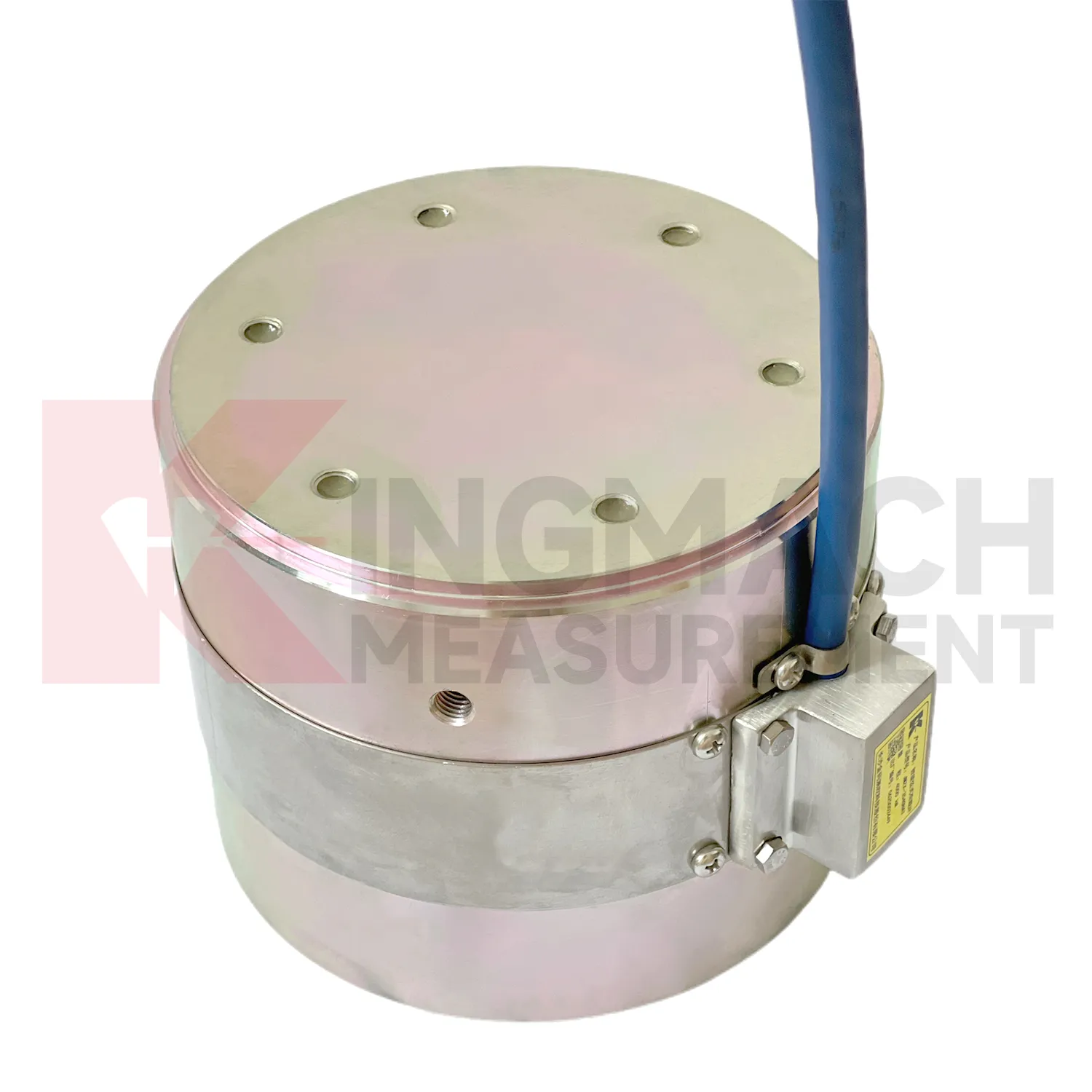
Solid load cell JMZX-34XXHAT、35XXHAT、36XXHAT
View Details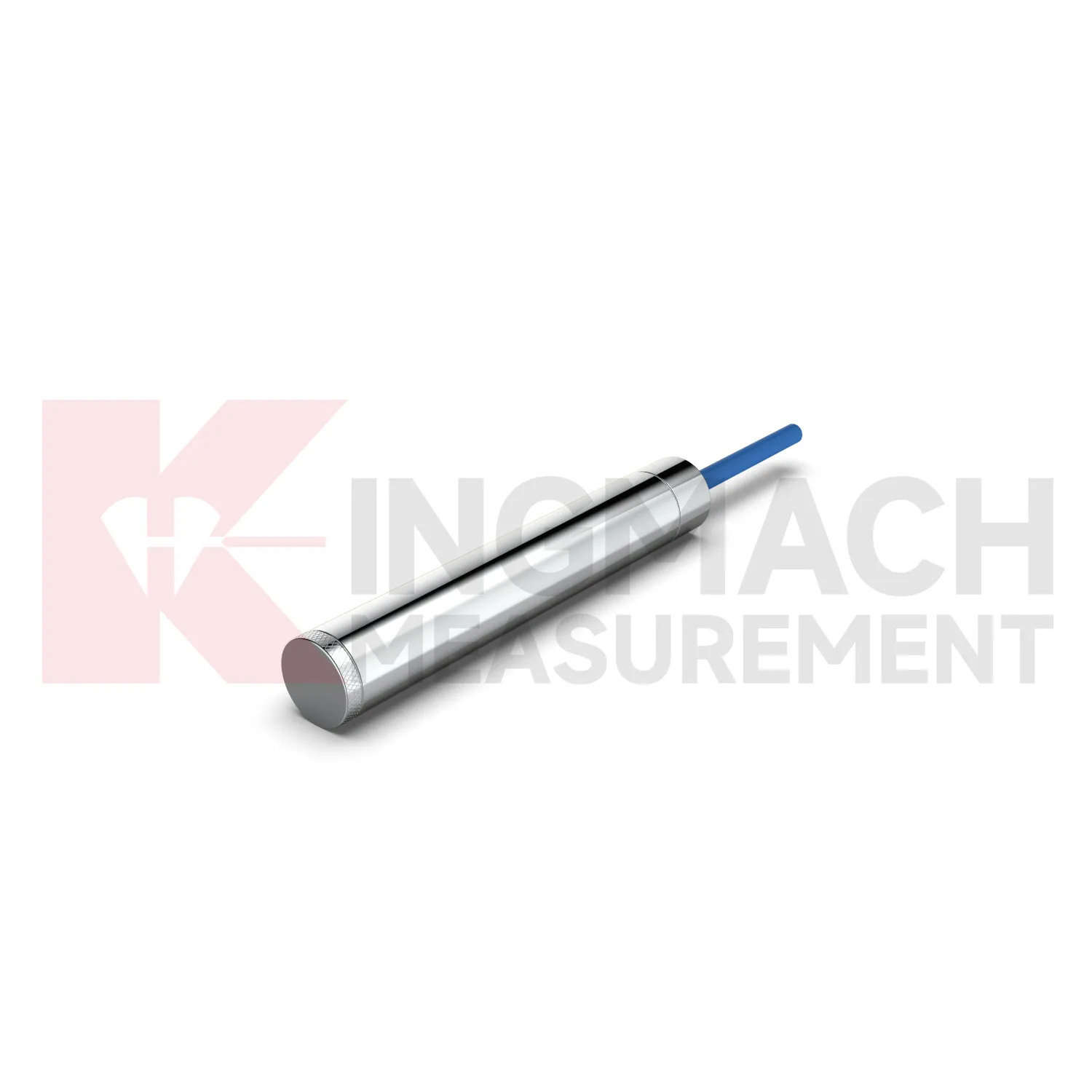
Smart Vibrating Wire PiezometerSmart Piezometers (VW) JMZX-55XXHAT
View Details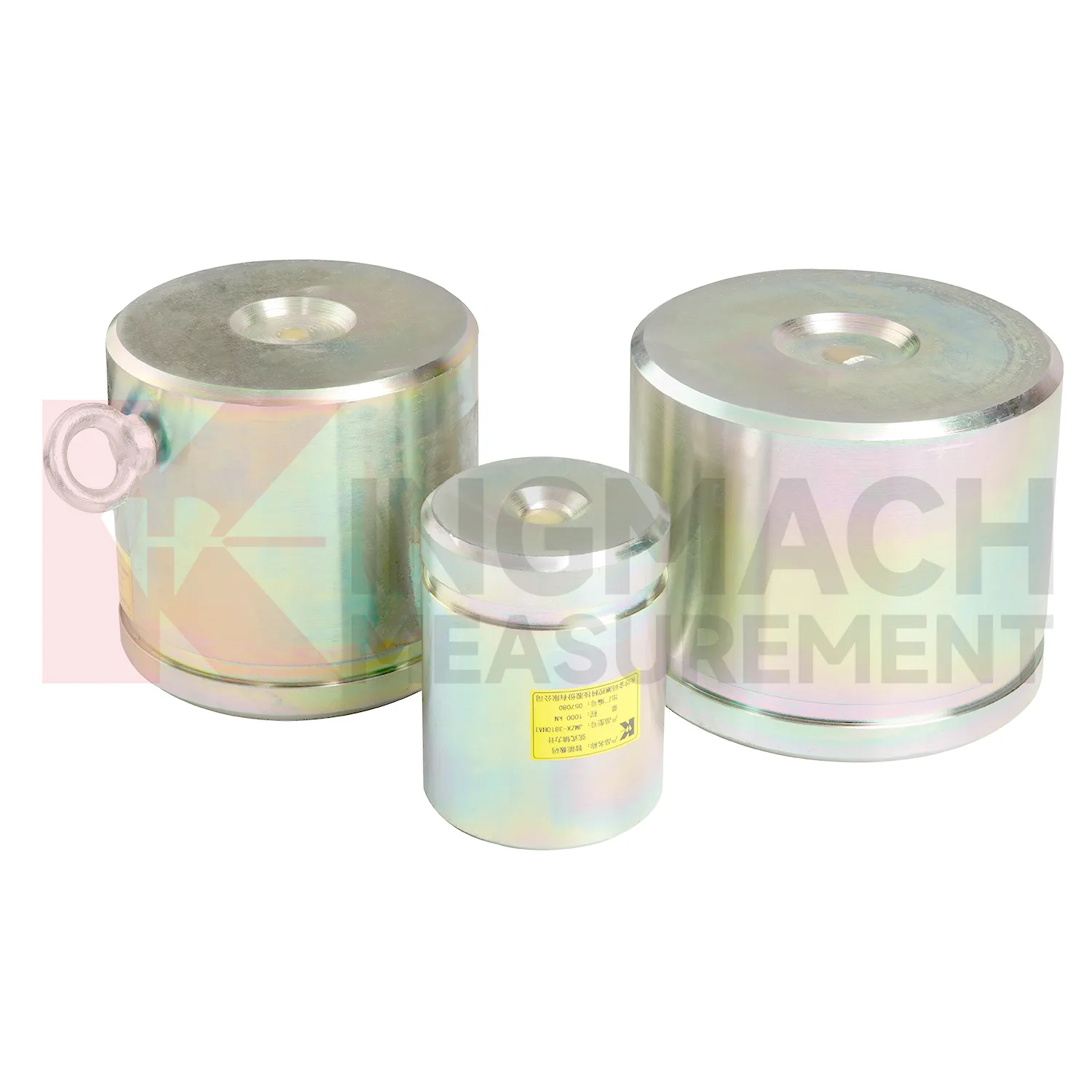
Axial Force Load Meter ( VW & Smart Type)JMZX-38XXHAT
View DetailsFAQ
Most general-purpose strain gauge load cells sit between ±1% and ±3% of full-scale output. In mV/V terms, for a 2 mV/V cell, ±1% means ±0.02 mV/V at zero load. High-accuracy shear beam or single-point cells often hold ±0.5%, but you pay more for that narrower window.
Yes, though the method depends on your instrumentation. Many digital indicators let you tare out the offset—just remember that large offsets reduce the available A/D converter range. For analog systems, you can wire a shunt resistor across one bridge arm to pull the zero toward zero, but this needs care with resistor value and temperature stability. Kingmach often provides a trimming guide with our junction boxes.
Common culprits include uneven mounting surfaces that twist the load cell body, over-torqued bolts, and temperature changes causing differential expansion between the cell and its base plate. Even a slight misalignment can generate side loads that look like a zero shift. We recommend checking flatness and torque specs, then letting the cell thermally stabilize before re-zeroing.
In a scale with four or more load cells, mismatched zero offsets can create a situation where some cells carry negative “weight” while others carry positive—even with an empty platform. Your junction box may not have enough trim range to correct wide differences. Selecting cells with closely matched zero balance, or using digital cells with individual zeroing, avoids this headache.
Yes, temperature affects the zero point. Manufacturers specify temperature effect on zero balance as a percentage of rated output per °C (or °F). A typical value is ±0.02% FS/°C. So a 20°C rise could shift the zero by 0.4% FS, which might be noticeable on a 3 mV/V cell. Always check the temp coefficient if your environment isn’t climate-controlled.
Share your product type, target capacity, and application requirements. Our team can review the details and recommend a practical next step.
If you are interested in our products or want to become our partner.
Please leave your contact information, our team will contact you as soon as possible.
Mail: [email protected]
Contact Us: +8613808434127
Address: No. 188 Tongzipo West Rd, Changsha, Hunan, China