
 EN
EN
 ar
ar bg
bg hr
hr cs
cs da
da nl
nl fi
fi fr
fr de
de el
el hi
hi it
it ko
ko no
no pl
pl pt
pt ro
ro ru
ru es
es sv
sv tl
tl iw
iw id
id lv
lv lt
lt sr
sr sk
sk sl
sl uk
uk vi
vi et
et hu
hu th
th tr
tr fa
fa ms
ms hy
hy ka
ka ur
ur bn
bn mn
mn ta
ta kk
kk uz
uz ku
ku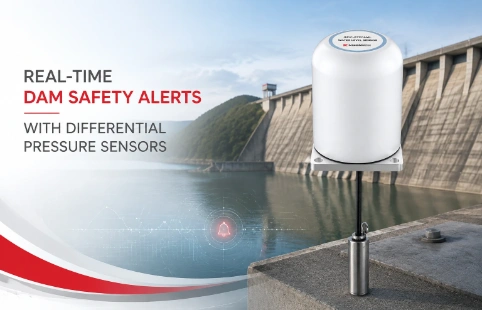
Real-Time Dam Safety Alerts with Differential Pressure Water Level Sensors
Key Takeaways An alert chain needs more than a sensor: define field in...

Remote Data Loggers Built for Mixed Sensor Networks
In slope stability projects, getting data from multiple sensors back to a central system isn’t always straightforward. Kingmach’s remote data loggers handle that by connecting to a wide range of geotechnical instruments—vibrating wire piezometers, inclinometers, strain gauges, you name it. Rather than pushing one-size-fits-all units, we focus on compatibility and practical deployment. These loggers are built around standard industrial protocols, so integrating them into existing monitoring networks usually doesn’t require a complete overhaul. They’re designed to transmit data over cellular, radio, or satellite links, depending on site conditions. That flexibility means you can monitor remote dams, tunnels, or landslides without frequent site visits. Over the years, we’ve found that many off-the-shelf solutions fall short when faced with unusual sensor combinations or harsh environments. That’s why our approach is more about adapting to your project’s specific setup, whether it’s a small research installation or a large infrastructure network.
Technical Detail
Kingmach remote data loggers are built around modular input channels to accommodate different sensor types. Typical configurations support 4–16 analog or digital inputs, with expandable options for larger arrays. The input modules are field-swappable, so a unit configured for vibrating wire sensors can be reconfigured for 4–20 mA transmitters or SDI-12 devices without replacing the entire logger. Sampling intervals are programmable from 1 second to 24 hours, and data storage uses non-volatile memory with capacities ranging from 8 MB to 32 MB—enough for months of unattended recording. Communication-wise, the standard model ships with a 4G LTE modem and an integrated antenna, but RS-232/RS-485 ports are also present for local data download or connection to radio modems. Power comes from an internal rechargeable battery backed by a solar panel input, with operating temperature ranges typically between -20°C and 60°C. Enclosures meet IP66 standards, so they survive heavy rain and dust. We see a common pain point is logging data from mixed sensor types in the same location. The firmware allows you to mix excitation voltages and signal conditioning per channel, so a single logger can handle both a thermistor and a load cell without external adapters. For users who need to push data into custom SCADA systems, the logger supports Modbus TCP/RTU, FTP upload, and MQTT for cloud platforms. We often work with engineering firms to pre-configure units before shipping, cutting setup time on site. While these loggers are designed for geotechnical applications, they’ve also been used in environmental monitoring and structural health, where the same sensor compatibility and remote access add value.
News
Key Takeaways An alert chain needs more than a sensor: define field in...
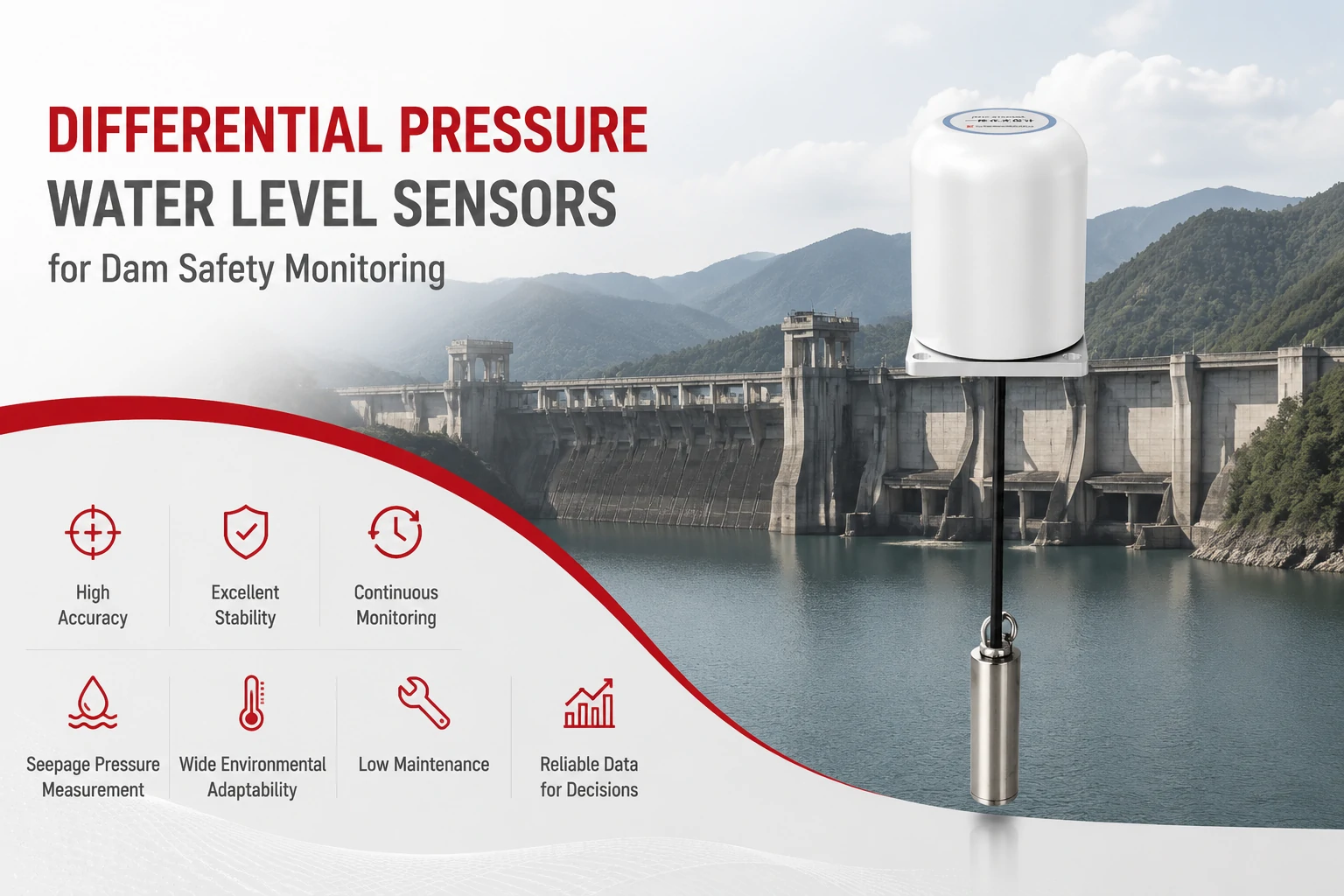
Key Takeaways The strongest fit is usually a confined, submerged, or s...
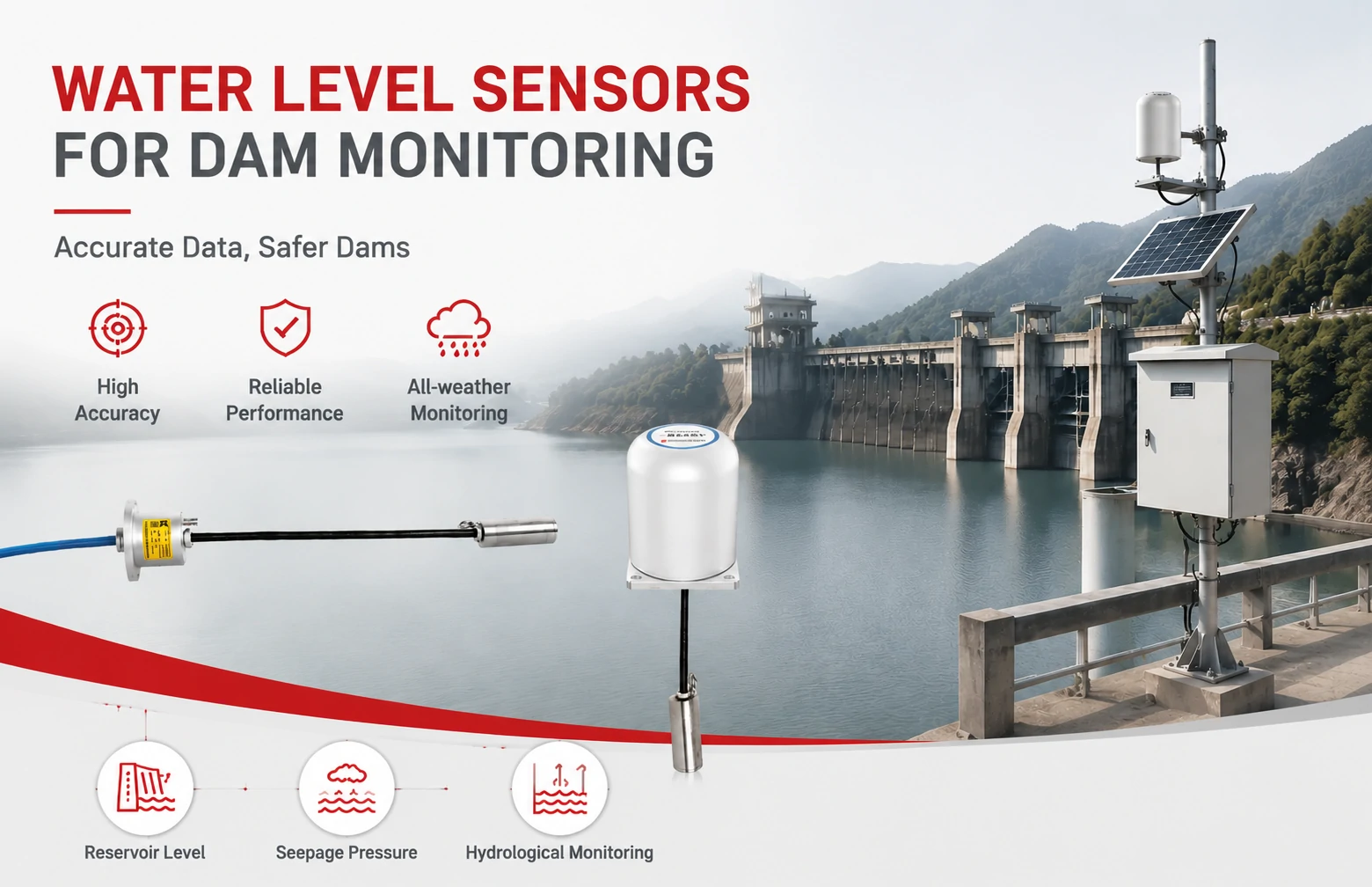
Kingmach Water Level Sensors for Dam Monitoring: A Buyer's Guide to Differential Pre...
Products
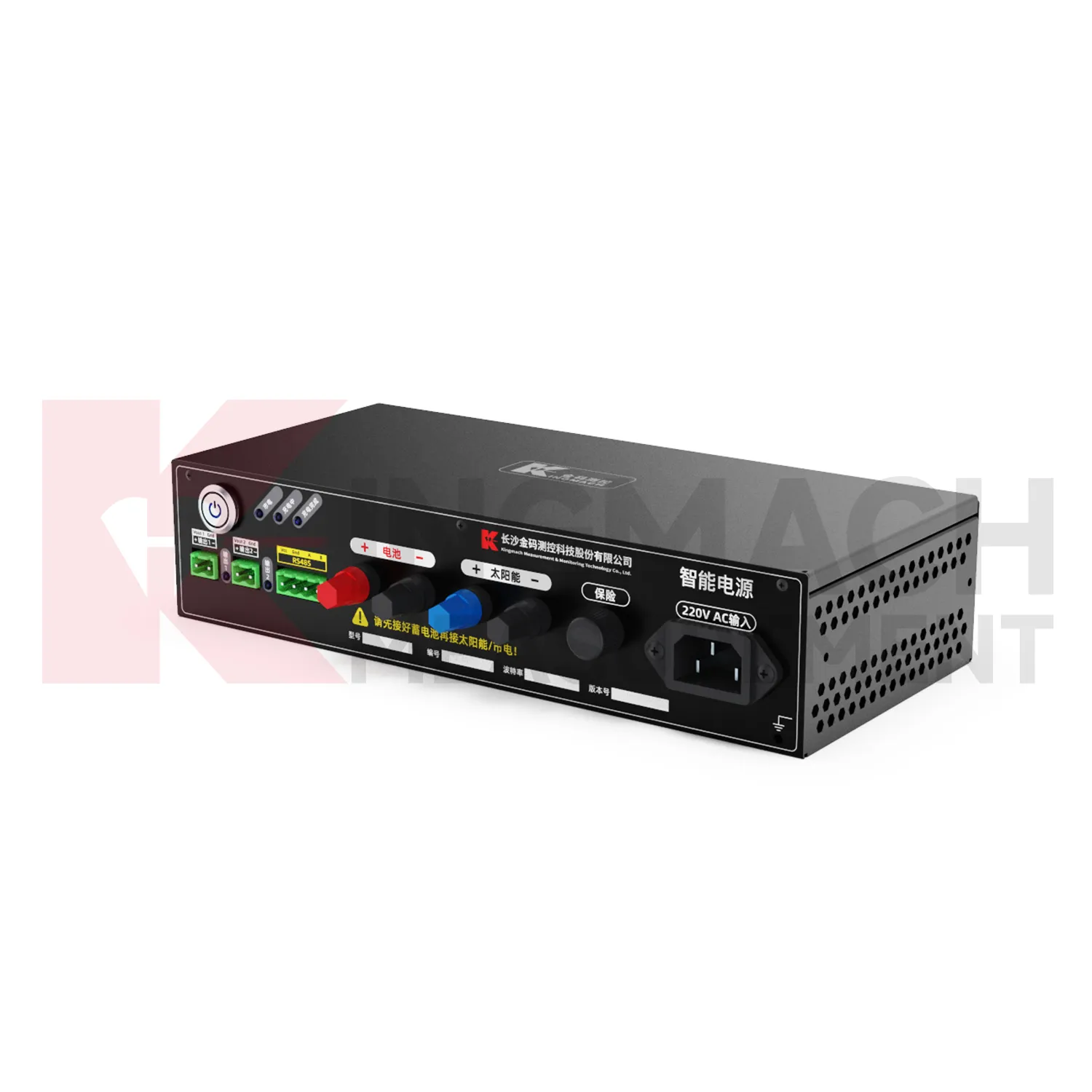
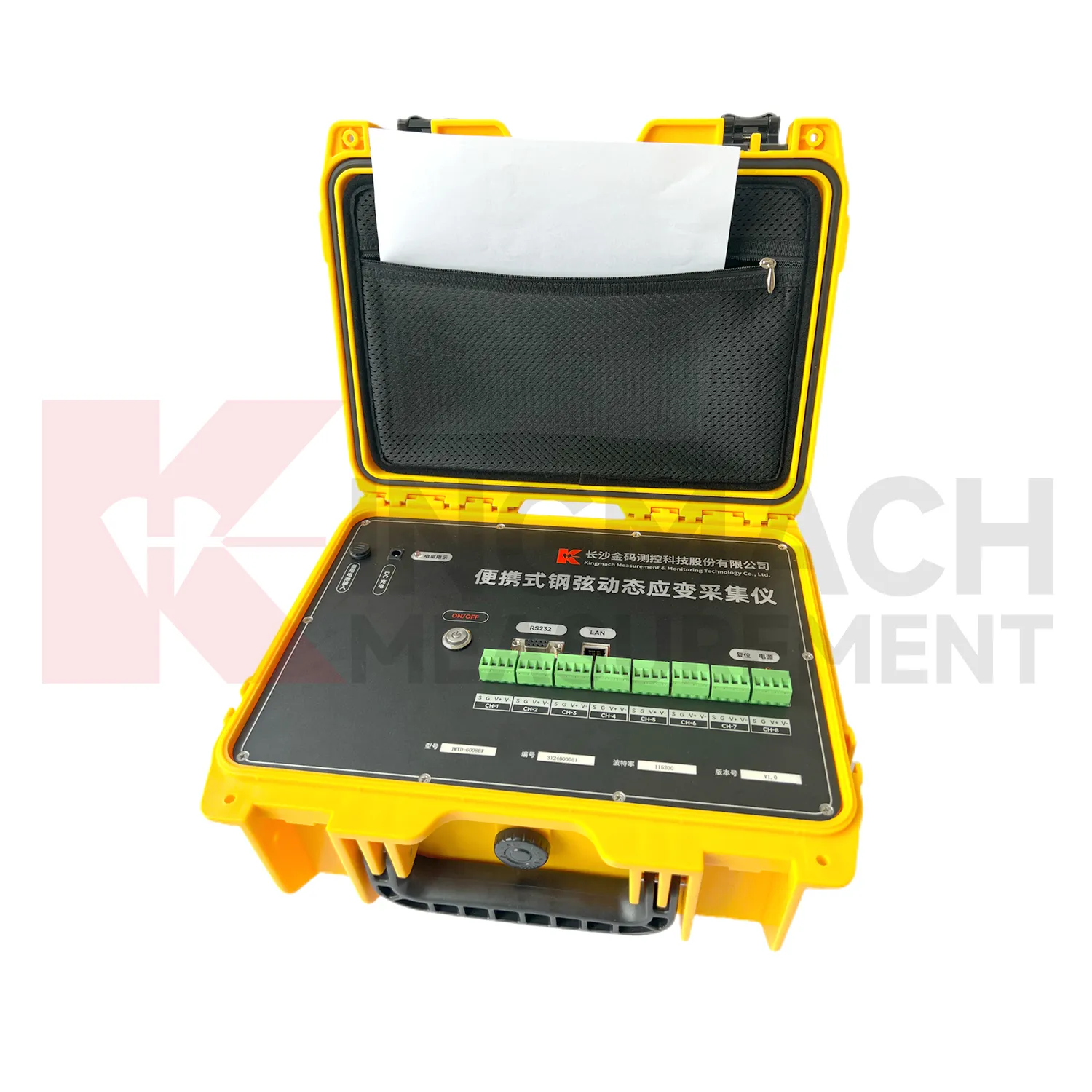
Portable Vibrating Wire Dynamic Strain Acquisition Readout JMYD-6008BX
View Details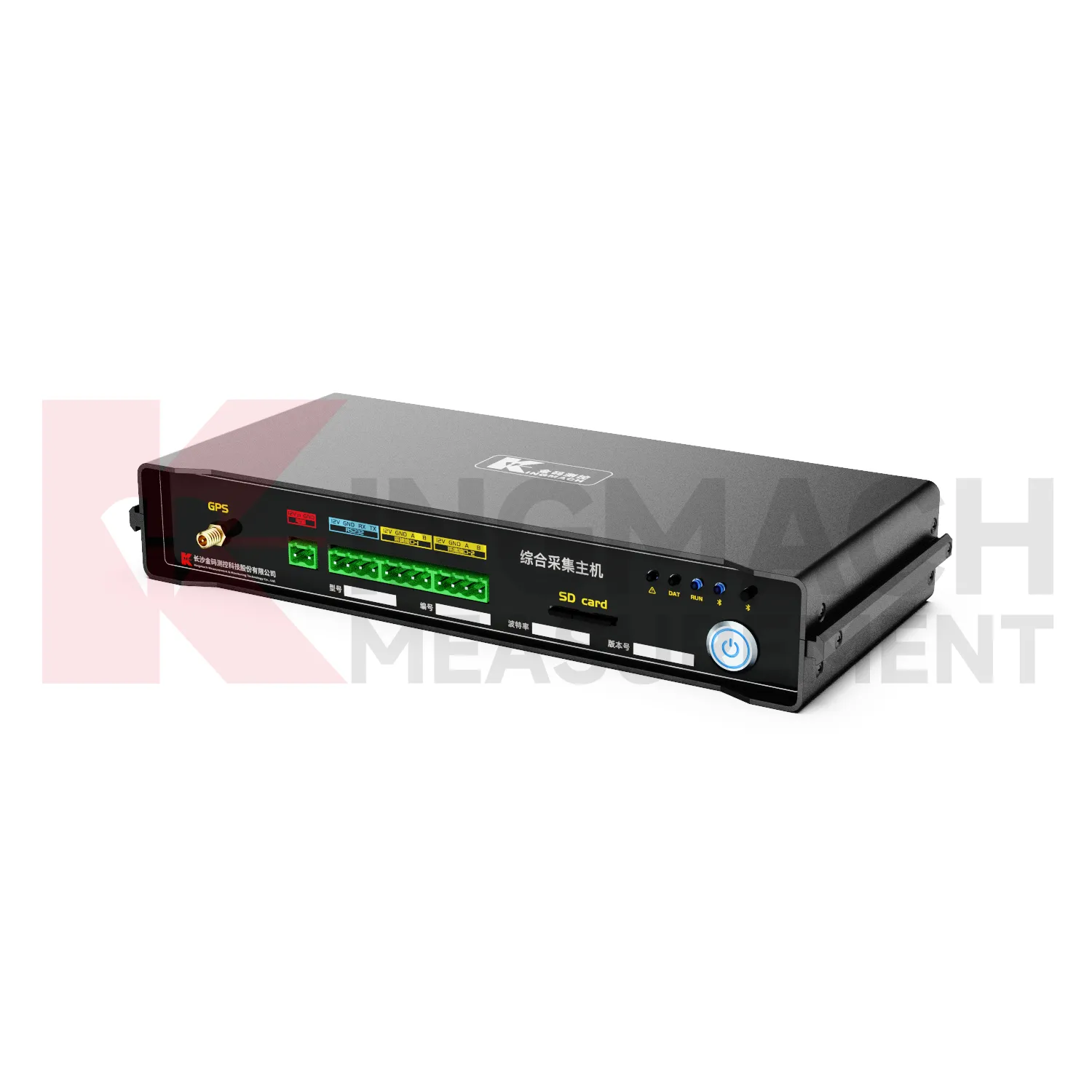
Comprehensive Acquisition Host Unit JMZX-5ZH
View DetailsFAQ
Yes. Each channel can be configured independently for sensor type and excitation. The firmware allows mixing, so you don’t need separate loggers for different instruments on the same site.
The standard 4G module covers most global bands (B1/B3/B5/B7/B8/B20), but we can swap modules for region-specific requirements. If cellular isn’t reliable, we offer radio and satellite options.
Data is encrypted via TLS when uploading to servers. For local access, the web-based configuration interface uses password protection. We don’t store data on public clouds unless you choose that option.
Standard configurations ship in 2–3 weeks. If you need custom sensor scaling or special communication protocols, it usually adds another week. We try to keep it simple.
We support MQTT, FTP, and Modbus TCP, so integration is straightforward. If you have a proprietary system, our technical team often writes small firmware tweaks to match your API—at no extra charge for reasonable requests.
Share your product type, target capacity, and application requirements. Our team can review the details and recommend a practical next step.
If you are interested in our products or want to become our partner.
Please leave your contact information, our team will contact you as soon as possible.
Mail: [email protected]
Contact Us: +8613808434127
Address: No. 188 Tongzipo West Rd, Changsha, Hunan, China