
 EN
EN
 ar
ar bg
bg hr
hr cs
cs da
da nl
nl fi
fi fr
fr de
de el
el hi
hi it
it ko
ko no
no pl
pl pt
pt ro
ro ru
ru es
es sv
sv tl
tl iw
iw id
id lv
lv lt
lt sr
sr sk
sk sl
sl uk
uk vi
vi et
et hu
hu th
th tr
tr fa
fa ms
ms hy
hy ka
ka ur
ur bn
bn mn
mn ta
ta kk
kk uz
uz ku
ku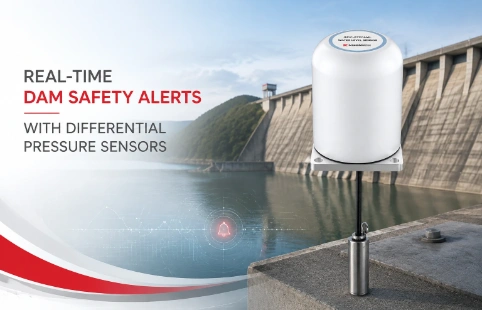
Real-Time Dam Safety Alerts with Differential Pressure Water Level Sensors
Key Takeaways An alert chain needs more than a sensor: define field in...

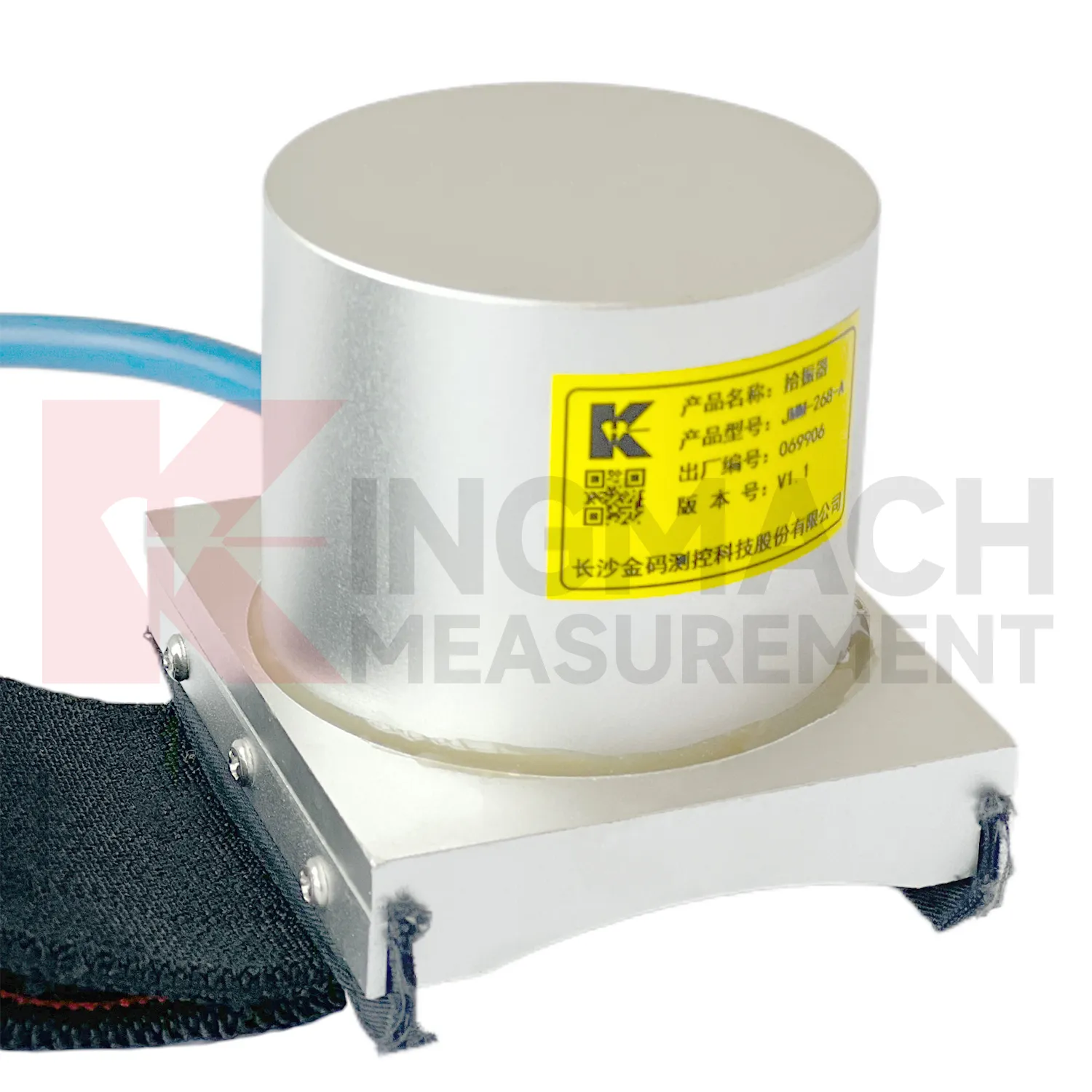
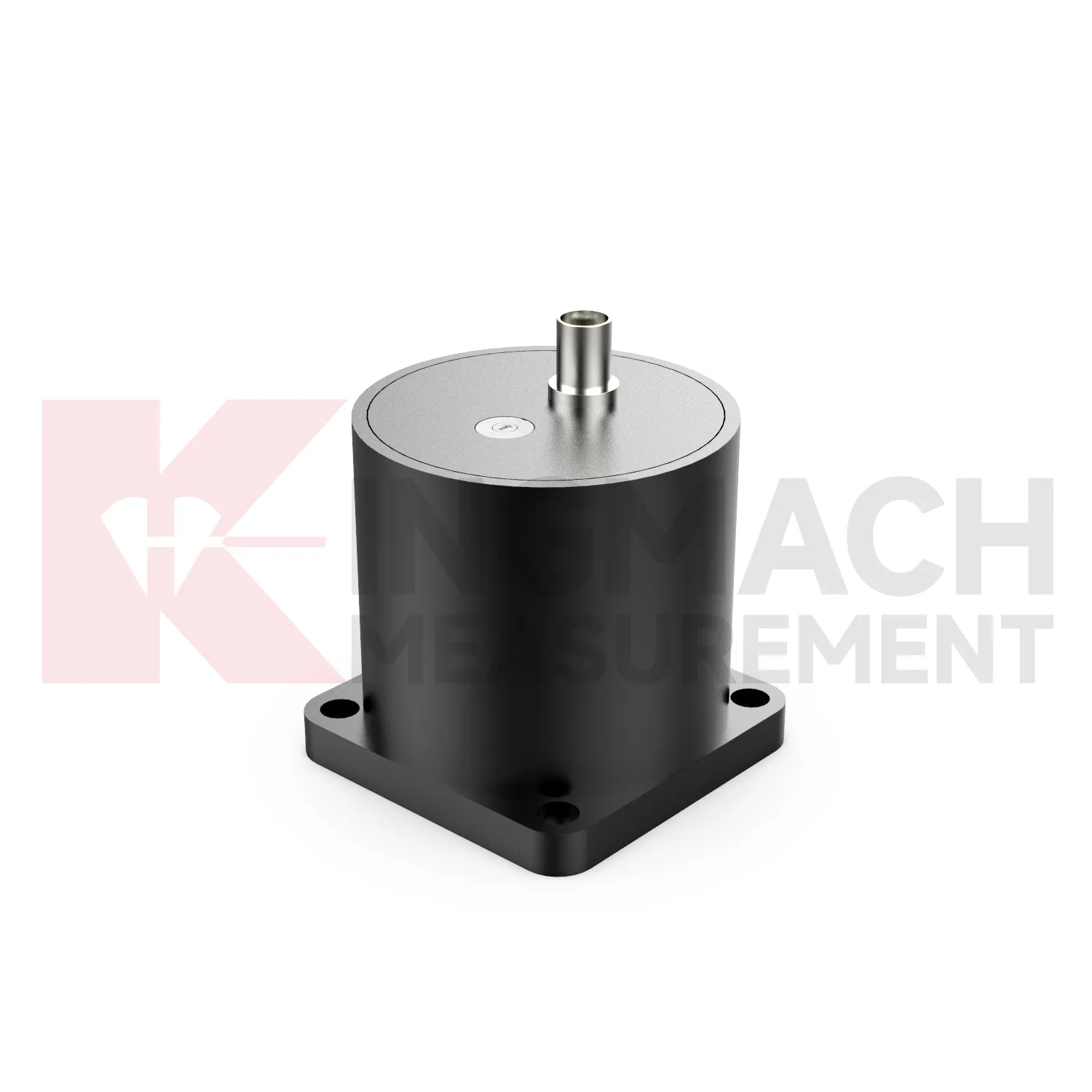
Smart Vibration Sensor Solutions by Kingmach
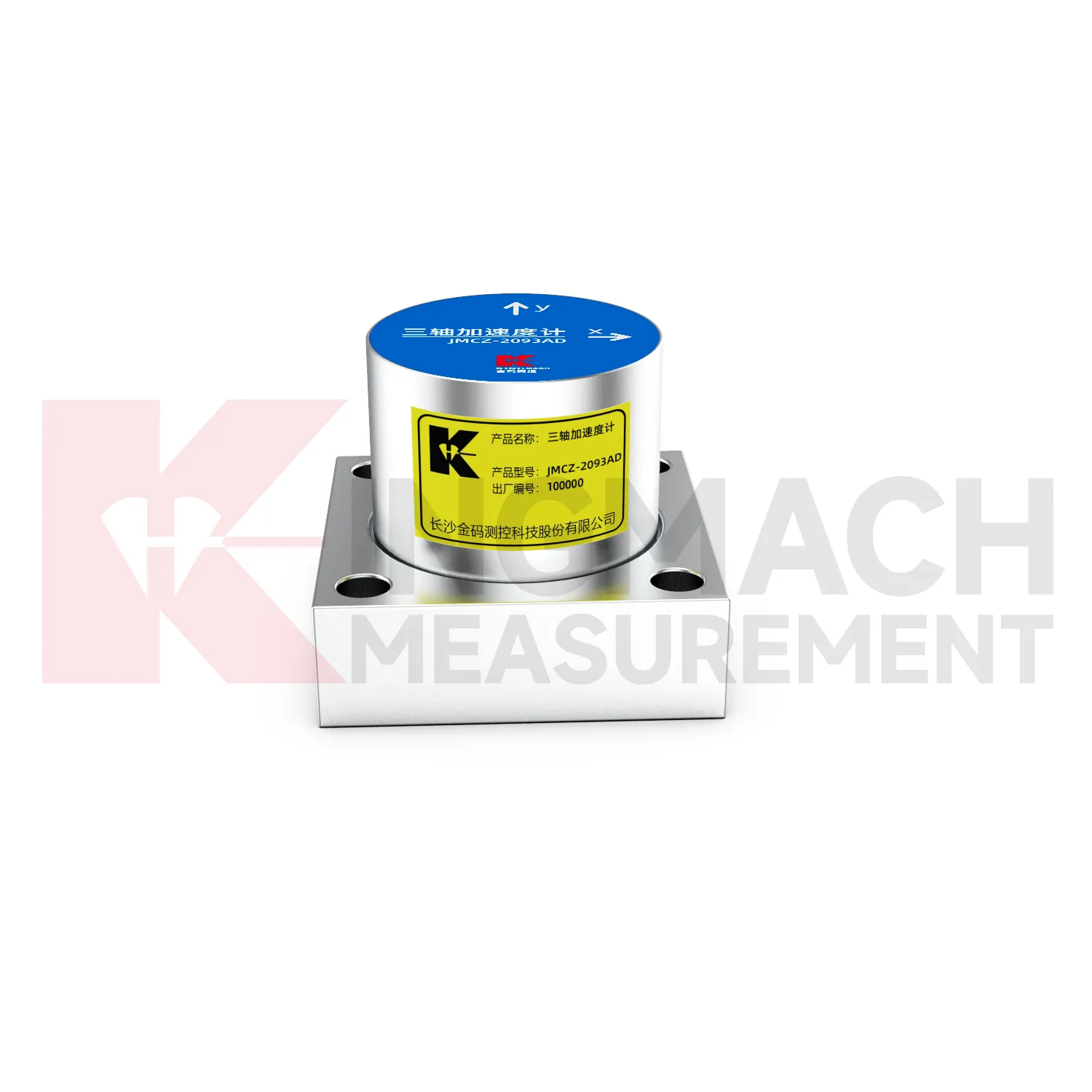
When a retaining wall shows unexpected movement, the difference between a minor repair and a major failure often comes down to the quality of your vibration data. Kingmach’s smart vibration sensors bridge that gap, turning raw mechanical motion into actionable structural insight. Instead of just collecting readings, these sensors filter out noise, track long-term drift, and flag anomalies before they become emergencies. Built around the idea that monitoring equipment should adapt to the site—not the other way around—Kingmach offers a range of configurations to match different soil conditions, structure types, and data access needs. Whether you’re watching a tunnel during excavation or keeping an eye on an aging dam, the right sensor makes all the difference.
Technical Detail
Most vibration monitoring projects start with a simple question: can we trust the numbers? Kingmach smart vibration sensors are designed to give engineers exactly that—data they can act on. The sensors use high-sensitivity MEMS elements to capture micro-vibrations that older geophones miss, and on-board processing sorts useful signals from background noise. Instead of flooding your system with raw waveforms, you get clean peak particle velocity readings or FFT spectra ready for analysis. Connectivity is another area where these sensors take a practical approach. Options include wired RS-485 for permanent installations and LoRa or 4G modules for remote sites without reliable power. Power consumption stays low enough that a small solar panel can keep the system running for weeks, which matters when you’re monitoring a slope 50 kilometers from the nearest outlet. Kingmach also puts weight on customization. Field teams rarely need an off-the-shelf box—they need sensors with the right cable length, mounting brackets that fit existing anchor bolts, or output scaled to a specific engineering unit. The company’s application engineers work through these details before shipping, cutting down on installation headaches. Global logistics and a support team that answers in engineering hours, not business days, round out the package.
News
Key Takeaways An alert chain needs more than a sensor: define field in...
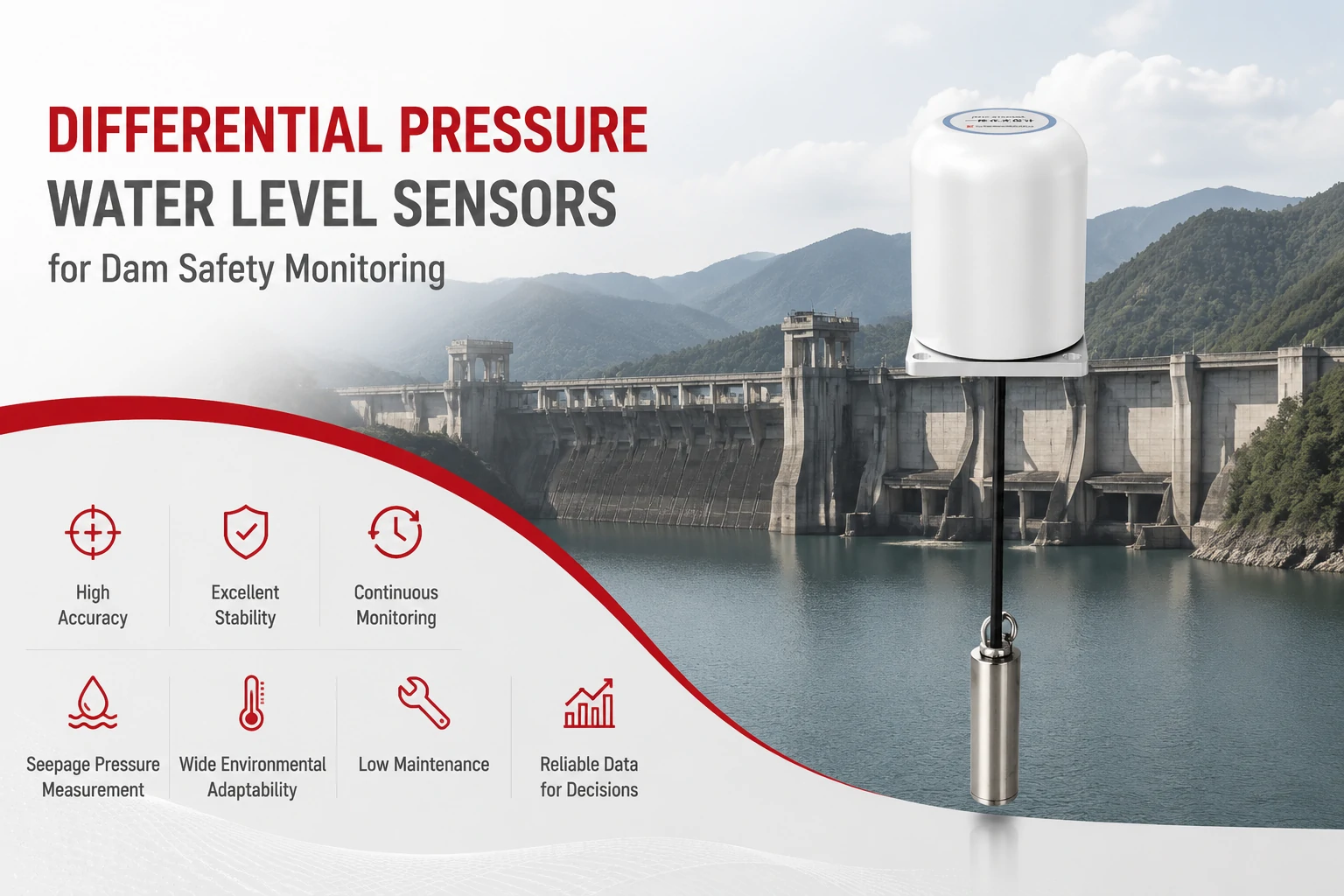
Key Takeaways The strongest fit is usually a confined, submerged, or s...
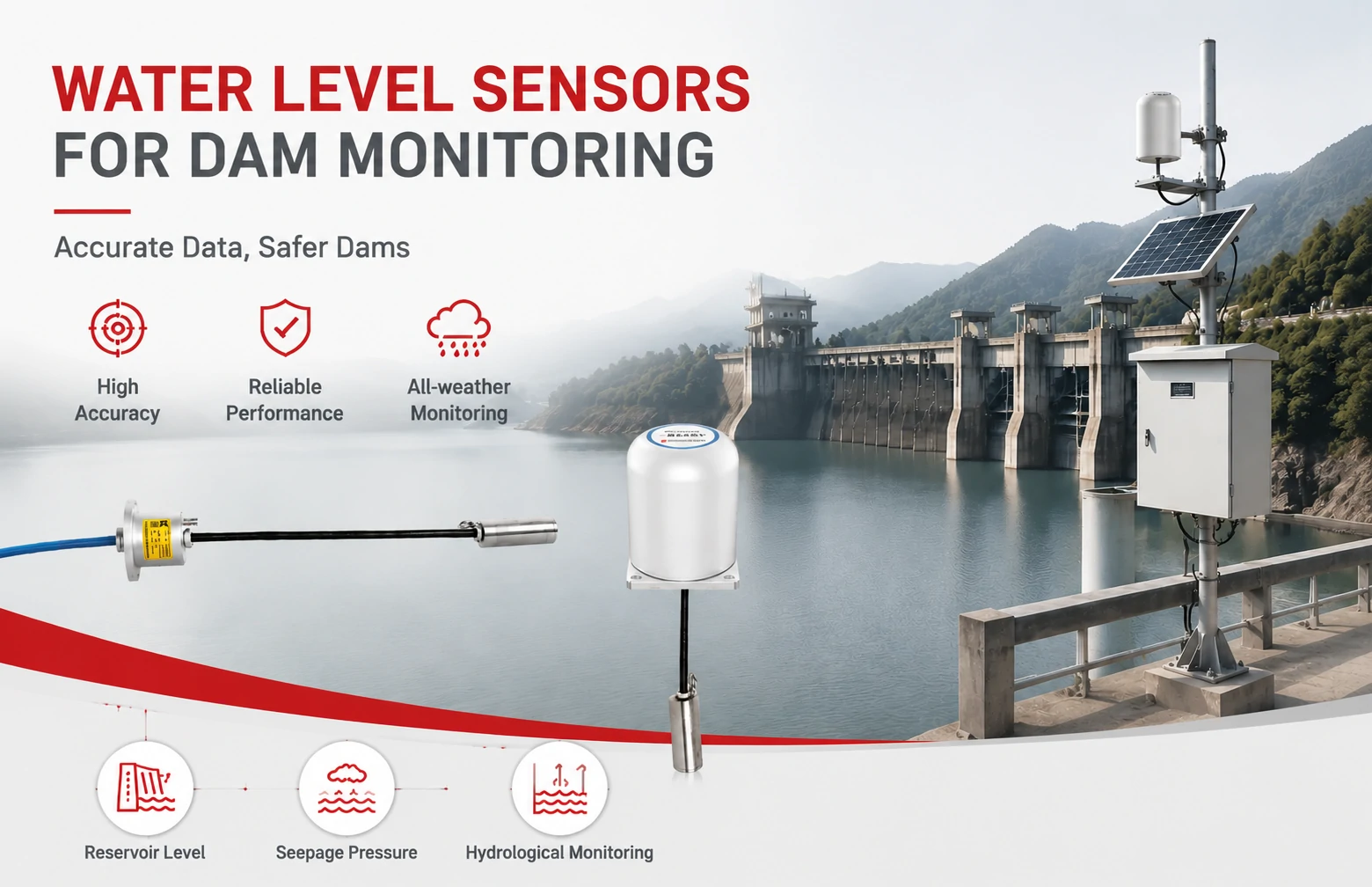
Kingmach Water Level Sensors for Dam Monitoring: A Buyer's Guide to Differential Pre...
Products
FAQ
Sites where ground movement can compromise safety—deep excavations, tunnel boring, slope stabilization, or historical buildings near blasting. Smart sensors make sense when you need more than a simple threshold alarm; they help you understand trends, compare pre- and post-event spectra, and separate construction vibrations from natural microtremors.
It usually comes down to power and distance. If you have a reliable power source and the monitoring point is within cable reach of a data logger, RS-485 gives you real-time streaming with almost no latency. For remote slopes or temporary construction sites, wireless options like LoRa save you from trenching cables across active work areas. Range and battery life depend on the wireless protocol and reporting interval—Kingmach can help you model the trade-off for your specific layout.
In most cases, yes. Kingmach sensors can output Modbus RTU over RS-485 or structured data payloads over MQTT, which makes them compatible with common SCADA systems and cloud platforms. If your setup uses a proprietary protocol, the engineering team can usually adapt the output format during customization.
Resolution and frequency response are more telling than a single ‘accuracy’ number. Typical MEMS-based smart vibration sensors resolve down to a few milli-g in the low-frequency range (0.1–200 Hz), which covers most civil engineering needs. For higher-frequency blast monitoring, you’ll want a sensor with a wider bandwidth—something Kingmach can specify based on the project’s vibration source.
Physically mounting the sensor and connecting cables takes less than an hour if the brackets and cabling were pre-planned. The bigger chunk of time goes into commissioning—setting sampling rates, triggering thresholds, and verifying the data feed. Kingmach pre-configures sensors to your parameters before delivery so that field crews can focus on the installation, not the menu screens.
Share your product type, target capacity, and application requirements. Our team can review the details and recommend a practical next step.
If you are interested in our products or want to become our partner.
Please leave your contact information, our team will contact you as soon as possible.
Mail: [email protected]
Contact Us: +8613808434127
Address: No. 188 Tongzipo West Rd, Changsha, Hunan, China