
 EN
EN
 ar
ar bg
bg hr
hr cs
cs da
da nl
nl fi
fi fr
fr de
de el
el hi
hi it
it ko
ko no
no pl
pl pt
pt ro
ro ru
ru es
es sv
sv tl
tl iw
iw id
id lv
lv lt
lt sr
sr sk
sk sl
sl uk
uk vi
vi et
et hu
hu th
th tr
tr fa
fa ms
ms hy
hy ka
ka ur
ur bn
bn mn
mn ta
ta kk
kk uz
uz ku
ku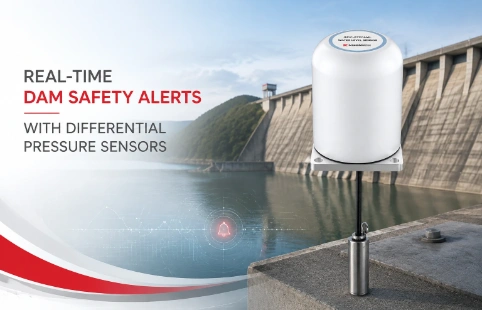
Real-Time Dam Safety Alerts with Differential Pressure Water Level Sensors
Key Takeaways An alert chain needs more than a sensor: define field in...

Strain Gauges Rosette: Accurate Stress Analysis
When you’re measuring residual stresses in a steel bridge or tracking strain patterns in a tunnel lining, a three-element strain gauge rosette gives you the full picture. At Kingmach, we supply these rosette gauges as part of our geotechnical instrumentation line—designed for field conditions where reliability matters more than lab specifications. Rosette gauges stack multiple sensing grids at fixed angles, so you can back out principal stresses and their directions from a single bonded location. Our inventory covers common 0/45/90 and 0/60/120 tee patterns, but if your test setup is non-standard, we can arrange custom grid orientations and sizes. From initial selection to installation tips, our engineering team supports you with practical advice, not just a catalog number.
Technical Detail
A rosette strain gauge integrates three separate measuring grids on one backing, oriented at set angles to capture the full strain tensor. Kingmach’s default rosettes use constantan foil on a polyimide carrier—a combination that handles civil engineering strain ranges and typical temperature swings without drifting. The grids are self-temperature-compensated for mild steel, though we keep variants for aluminum and stainless on the shelf too. Gauge lengths from 3–10 mm let you pick the spatial resolution that matches your material; coarser-grained concrete often calls for a longer grid to average out aggregate effects, while fine-grained metals can use the shorter options. For outdoor or embedded use, we supply versions with thicker encapsulation that resists moisture ingress. When a project requires surviving direct water exposure or alkaline concrete, we advise on protective coatings and leadwire strain relief—simple steps that make the difference between a data set and a dead channel. Our stock includes ASTM E837-compliant patterns for hole-drilling residual stress work, and we can adapt lead configurations and solder tabs to your installation method. Distribution centers in Europe and Asia shorten lead times for most standard models, and we keep a network of local bonding specialists who can take over site installation if needed.
News
Key Takeaways An alert chain needs more than a sensor: define field in...
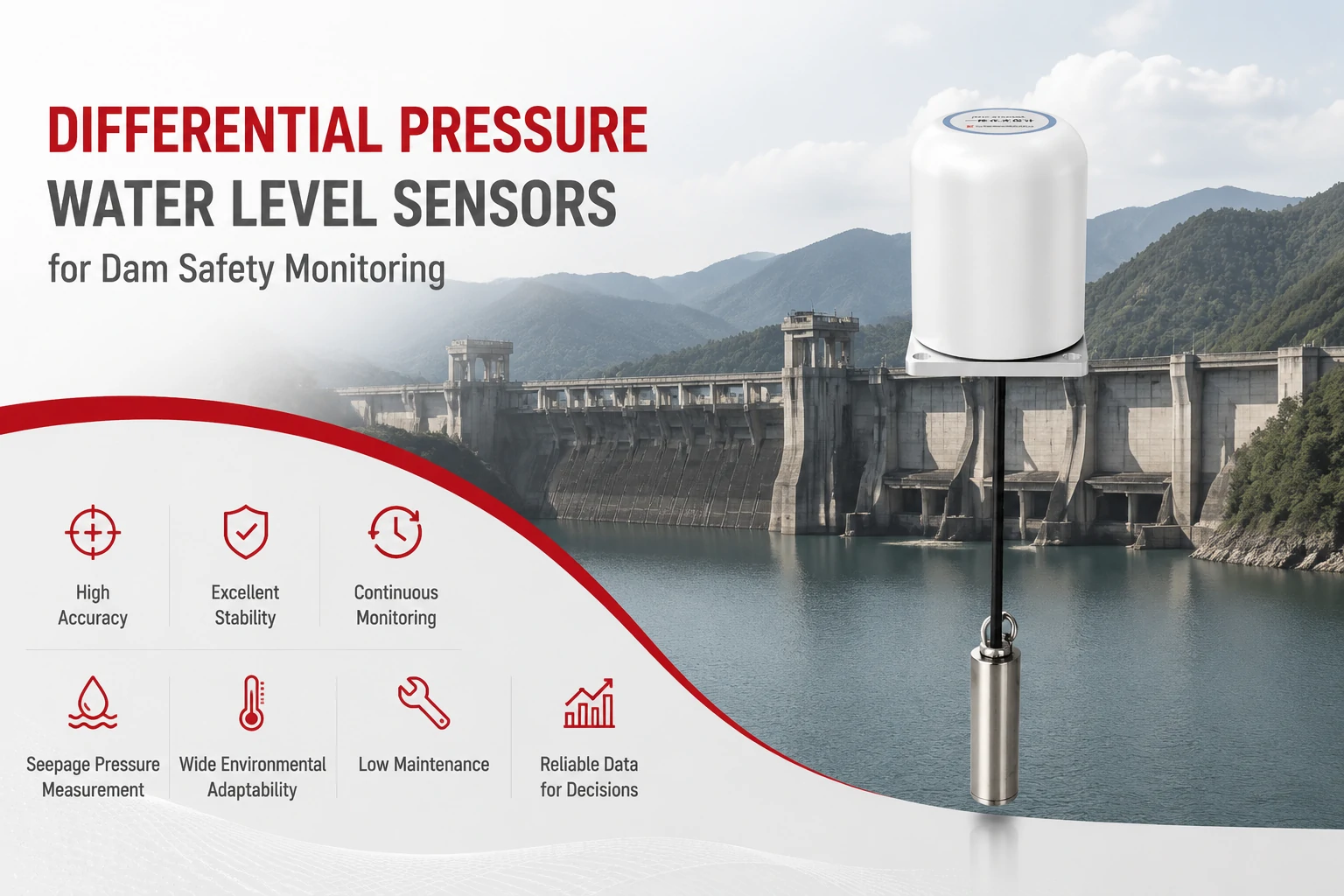
Key Takeaways The strongest fit is usually a confined, submerged, or s...
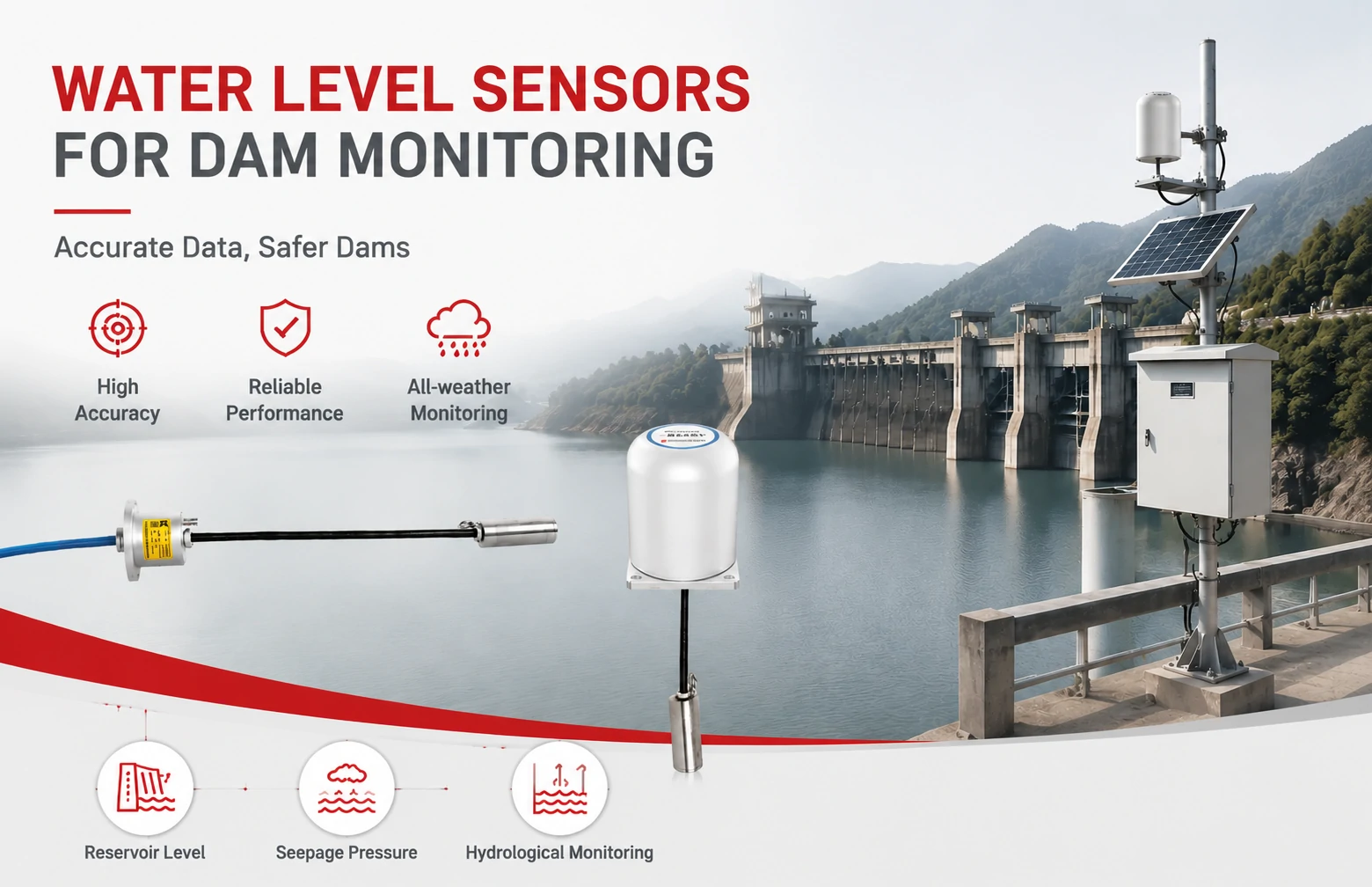
Kingmach Water Level Sensors for Dam Monitoring: A Buyer's Guide to Differential Pre...
Products
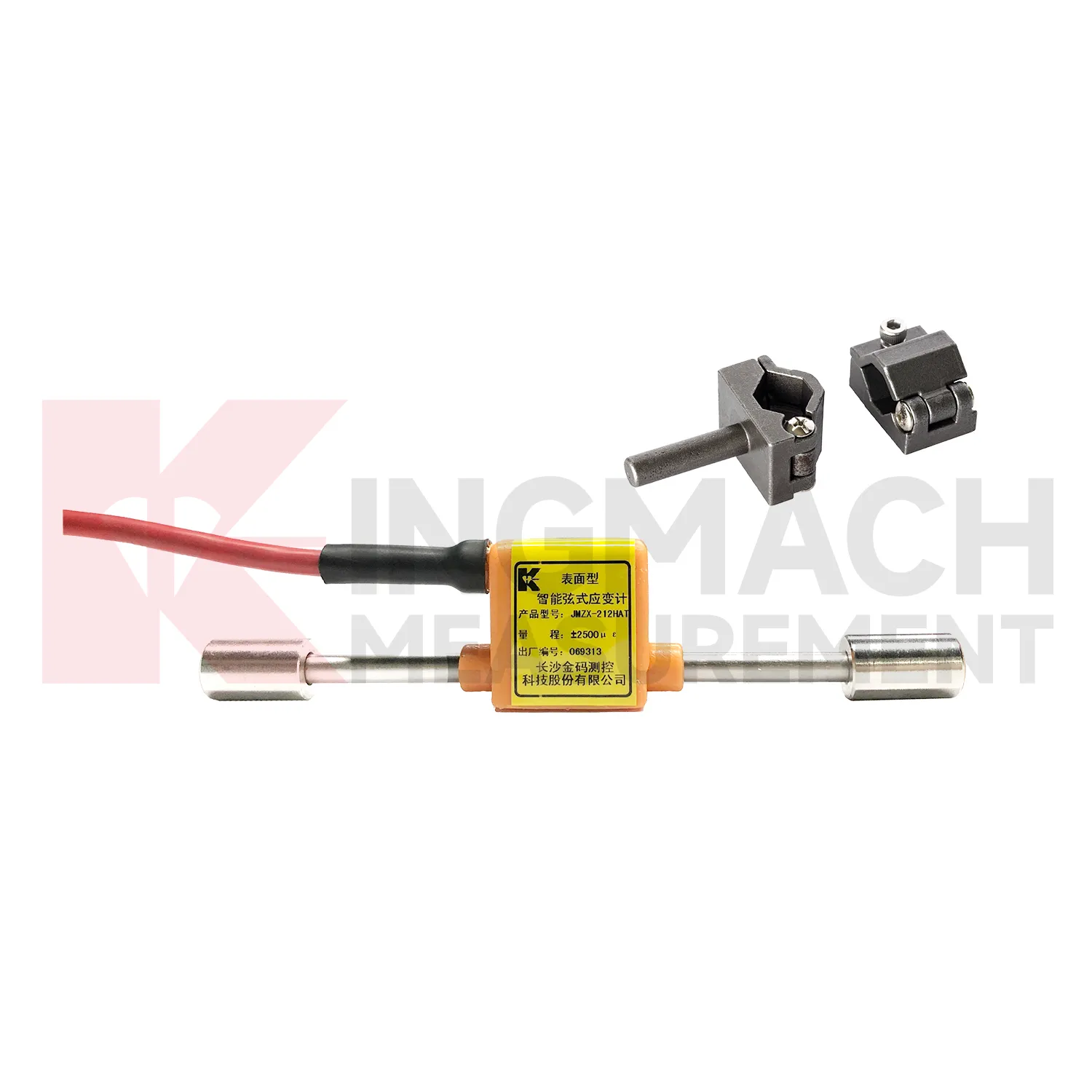
Smart vibrating wire strain gauge (surface model) JMZX-212HAT/HB
View Details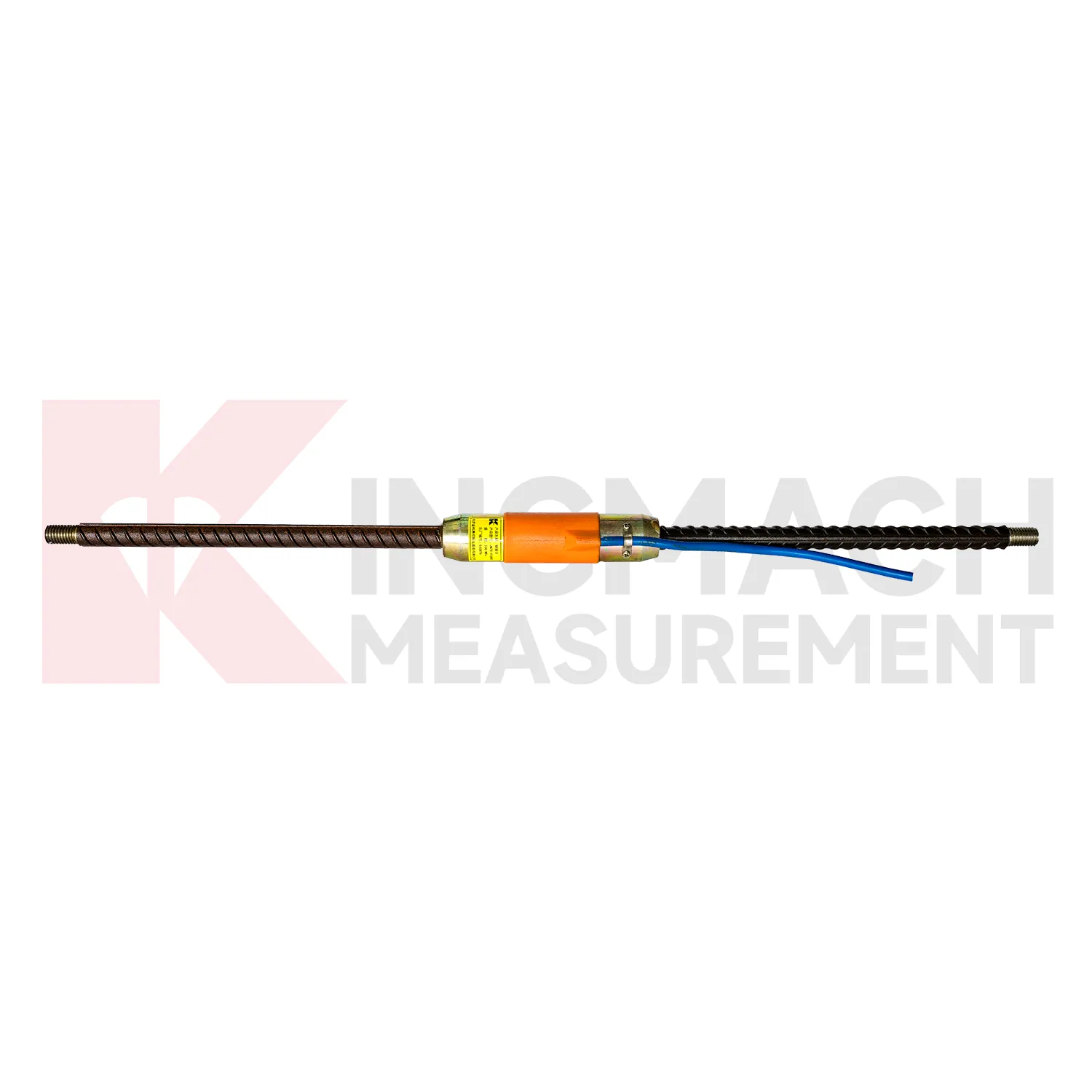
Rebar Strainmeters ( VW & Smart Type) JMZX-4XXHAT/HB
View Details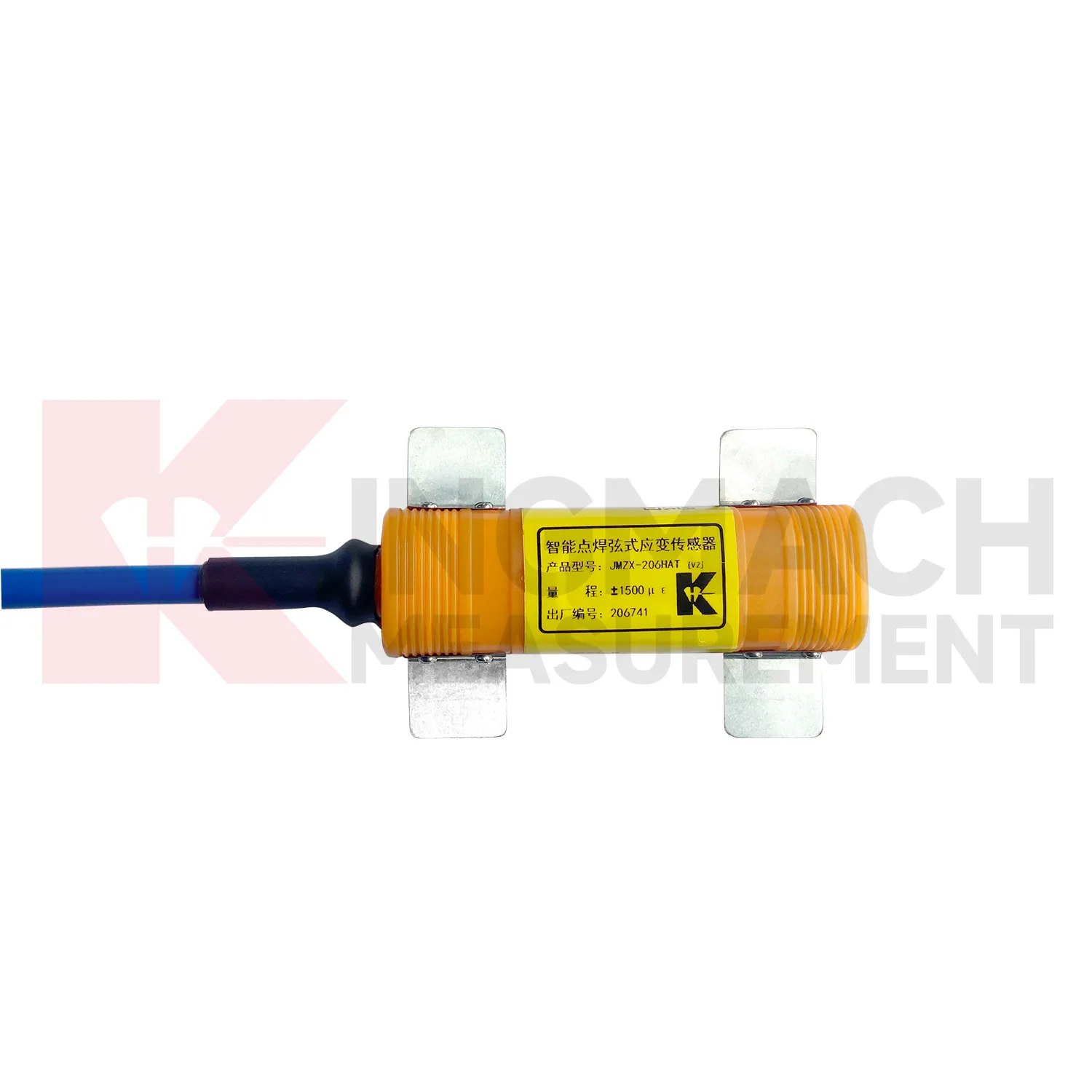
Smart vibrating wire strain gauge (surface welded model) JMZX-206HAT
View DetailsFAQ
A 0/45/90° rosette gives you three readings at fixed angles, enough to calculate principal strains if the stress state isn’t highly directional. The 0/60/120° pattern is more common when you don’t know the principal directions—like on a rough concrete surface or a weld. At Kingmach we stock both, and can advise which fits your measurement setup.
Most rosettes from Kingmach come with a moisture-resistant backing and you can add a coating for extra protection. For long-term embedment in concrete or soil, we have encapsulated options. Tell us your exposure conditions and we’ll suggest the right one.
Standard gauge lengths we supply range from 3 mm to 10 mm, but the exact grid size depends on the material you’re bonding to. For coarse-grained concrete, you’ll want a longer gauge length to average out the aggregate. We can source custom sizes if your job requires it.
Residual stress measurement usually calls for a specific hole-drilling rosette pattern, like the ASTM E837 Type A or B. Kingmach supplies rosettes designed for this method, and we can help match the right configuration to your drilling equipment.
We don’t do the bonding ourselves, but we can connect you with local partners in many regions who specialize in strain gauge installation. We also provide application notes and can walk you through surface preparation steps over a call.
Share your product type, target capacity, and application requirements. Our team can review the details and recommend a practical next step.
Related Keywords
If you are interested in our products or want to become our partner.
Please leave your contact information, our team will contact you as soon as possible.
Mail: [email protected]
Contact Us: +8613808434127
Address: No. 188 Tongzipo West Rd, Changsha, Hunan, China