
 EN
EN
 ar
ar bg
bg hr
hr cs
cs da
da nl
nl fi
fi fr
fr de
de el
el hi
hi it
it ko
ko no
no pl
pl pt
pt ro
ro ru
ru es
es sv
sv tl
tl iw
iw id
id lv
lv lt
lt sr
sr sk
sk sl
sl uk
uk vi
vi et
et hu
hu th
th tr
tr fa
fa ms
ms hy
hy ka
ka ur
ur bn
bn mn
mn ta
ta kk
kk uz
uz ku
ku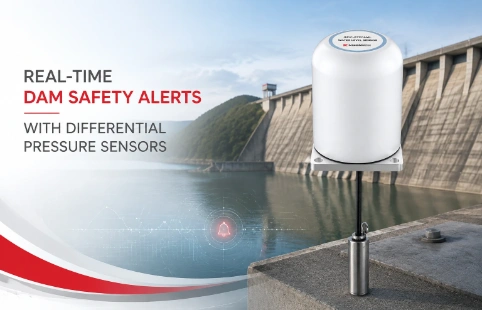
Real-Time Dam Safety Alerts with Differential Pressure Water Level Sensors
Key Takeaways An alert chain needs more than a sensor: define field in...

Tri-Axis Accelerometers Built for Real-World Monitoring
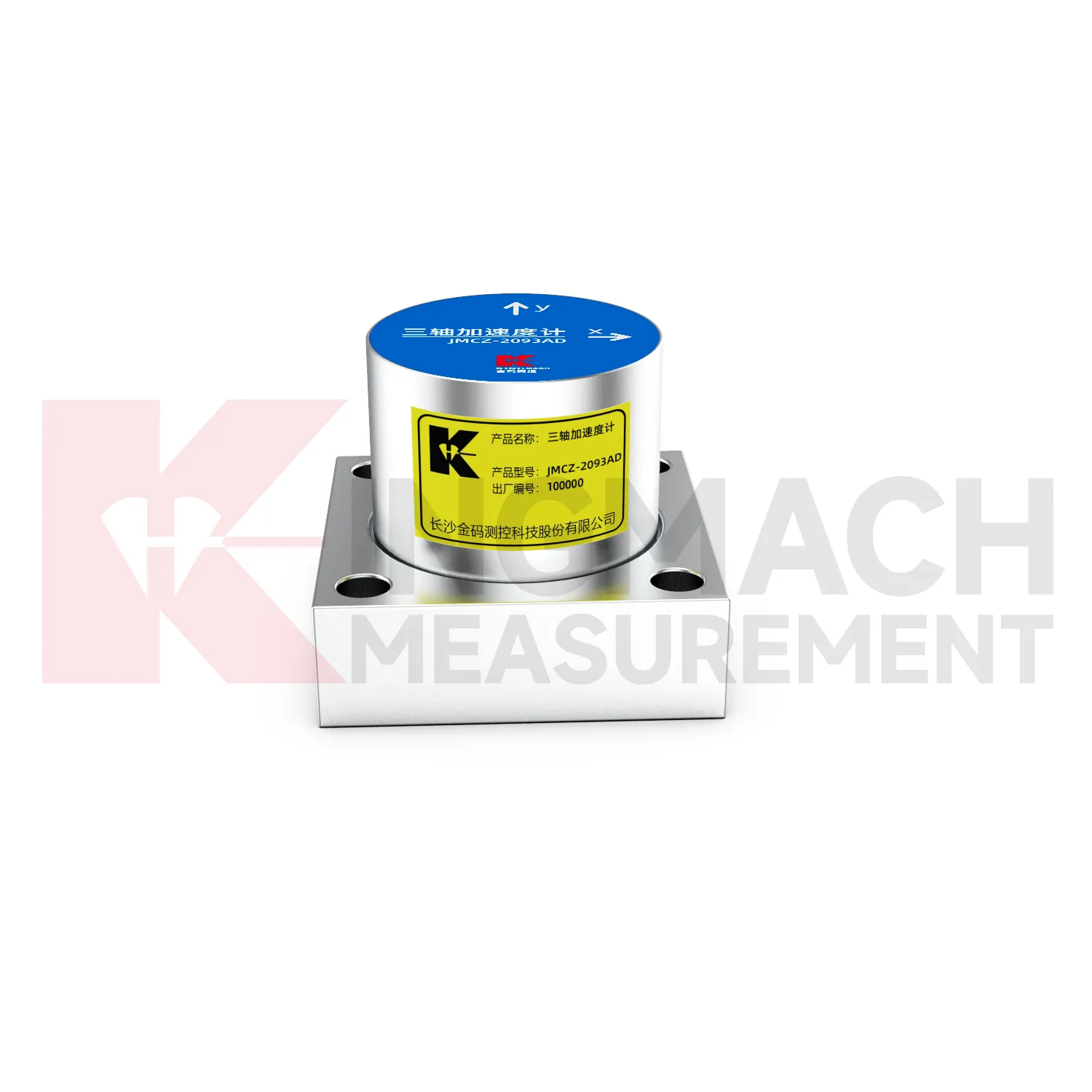
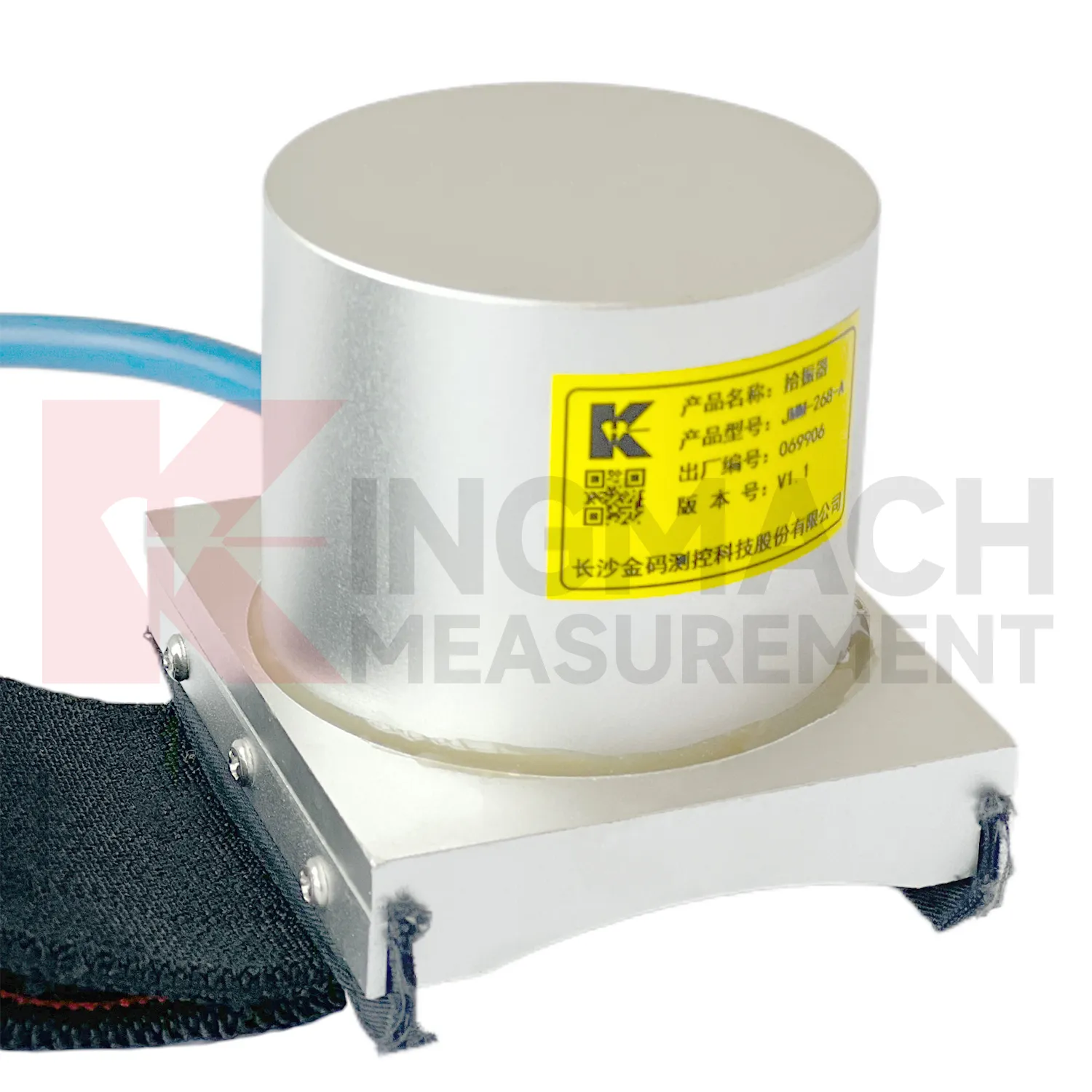
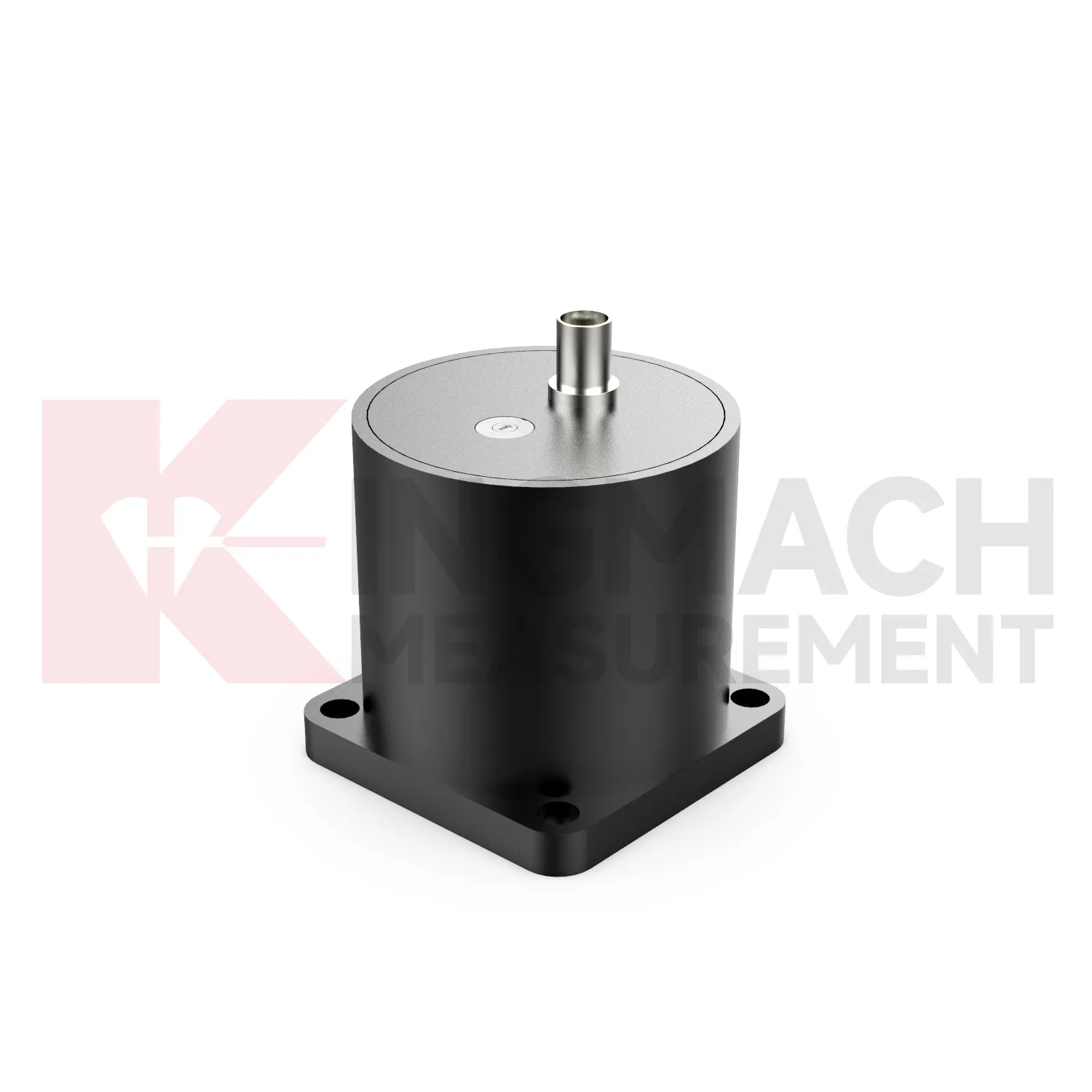
Tri-axis accelerometers aren’t new, but getting one that holds up on a construction site or inside a dam is another story. Kingmach started making geotechnical instruments years ago, and over time we’ve learned what field engineers actually need: solid performance without constant recalibration, housings that survive wet boreholes, and a supplier who answers emails. Our tri-axis units measure vibration, tilt, and acceleration along X, Y, and Z axes simultaneously, which cuts down on the number of sensors you need to install. Most customers use them for structural health monitoring, pile driving analysis, or seismic studies, but the real value comes from the little things—cable that doesn’t crack in cold weather, mounting plates that fit existing brackets, and a manual that makes sense.
Technical Detail
Kingmach tri-axis accelerometers are designed around one principle: if the data isn’t reliable, the instrument isn’t worth the effort. We build these sensors for use in geotechnical and structural monitoring—think slope stability assessments, tunnel convergence, bridge vibration analysis, and blast monitoring. Instead of pushing a one-size-fits-all package, we offer a range of sensitivities and output types so you can match the sensor to the job, not the other way around. Typical specifications include low-noise MEMS elements, rugged stainless steel or aluminum housings, and integrated temperature compensation that keeps readings stable when the weather won’t cooperate. Many clients come to us after trying cheaper units that drifted after a few weeks in the field; they appreciate that ours come factory calibrated and can be ordered with custom cable lengths, connector types, or mounting orientations. Our global distribution network means lead times are reasonable for most regions, and we keep common accessories in stock. While we don’t pretend to be the lowest-cost option, our focus is on delivering instruments that won’t force you back on site before the project is done.
News
Key Takeaways An alert chain needs more than a sensor: define field in...
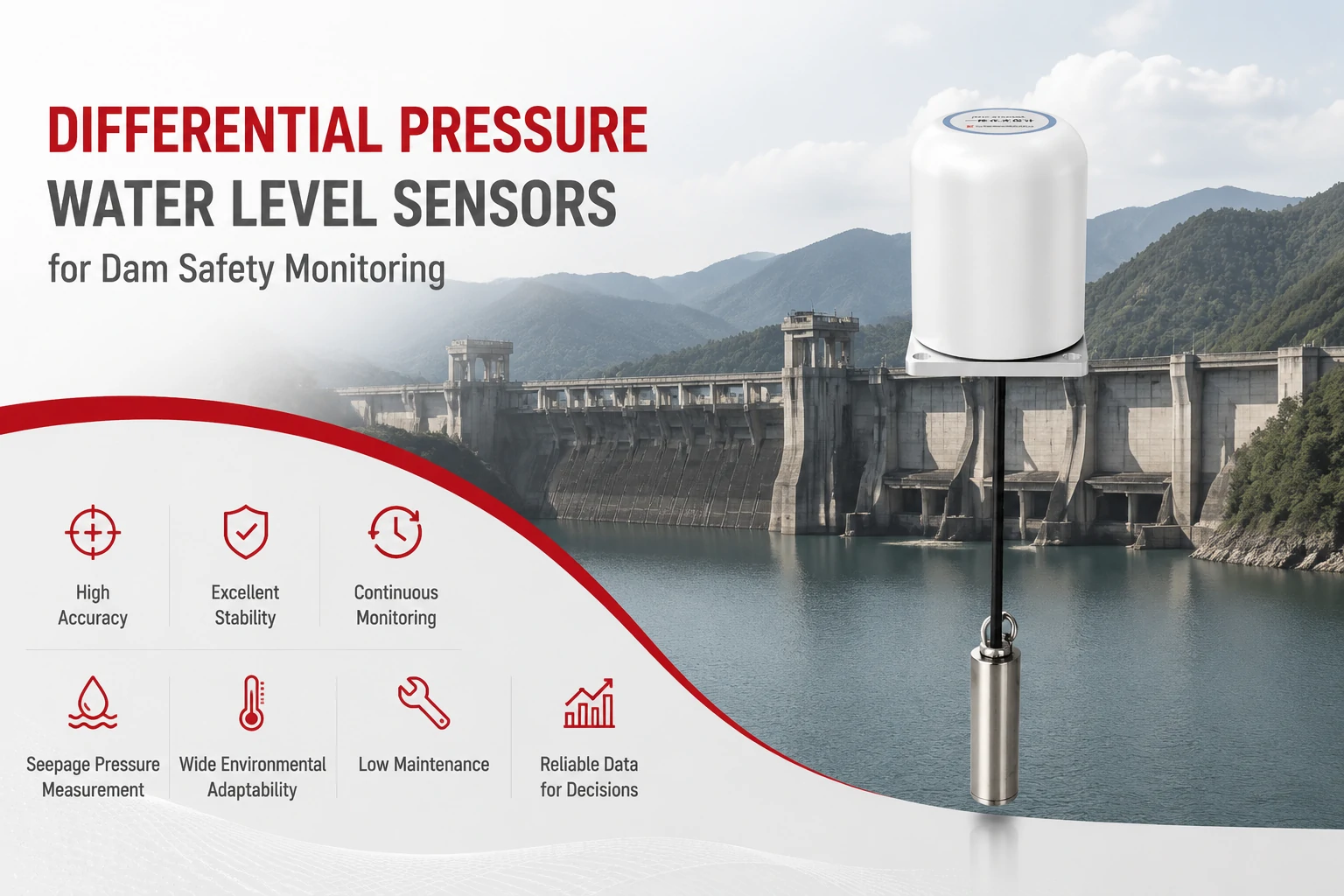
Key Takeaways The strongest fit is usually a confined, submerged, or s...
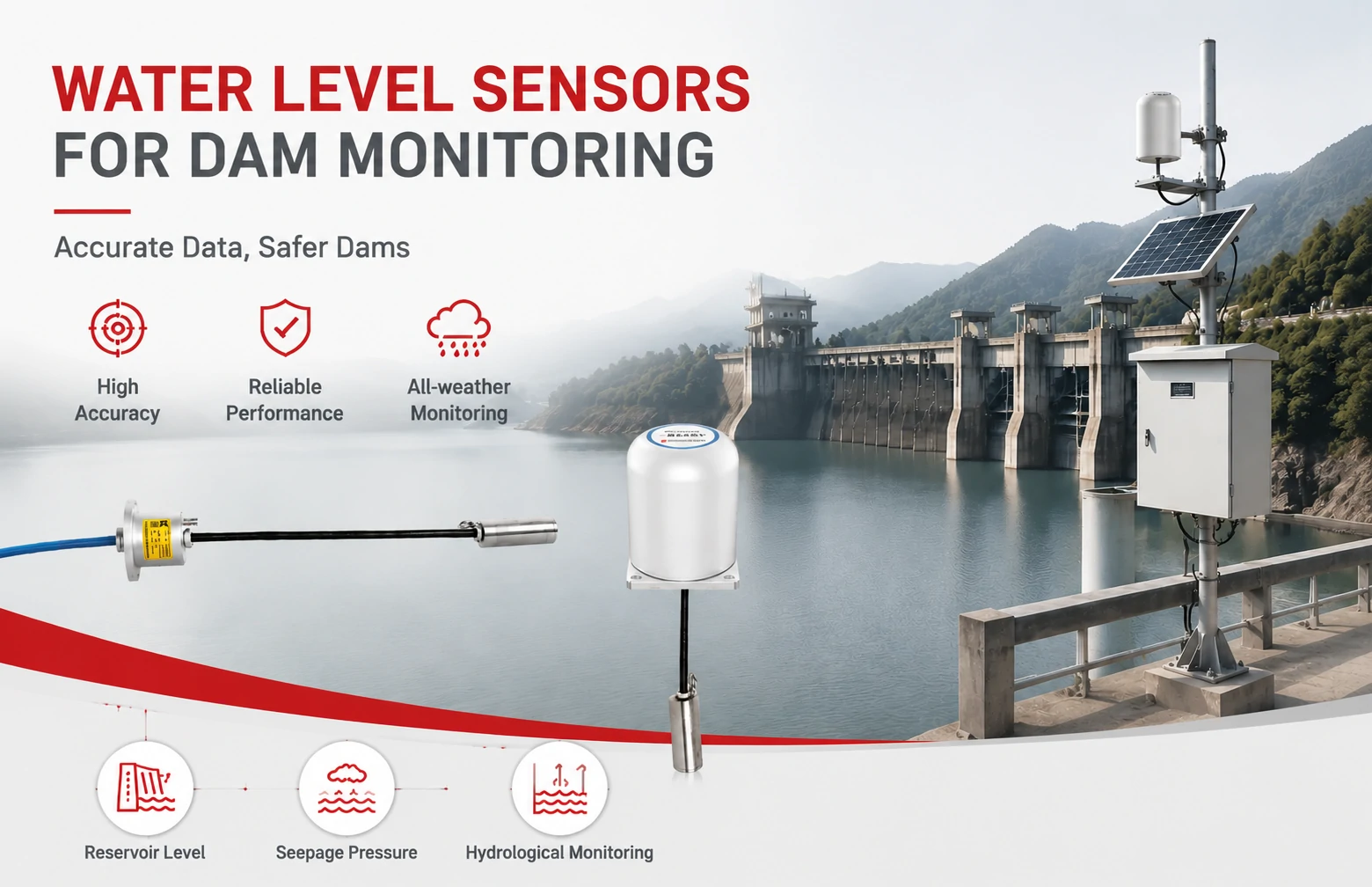
Kingmach Water Level Sensors for Dam Monitoring: A Buyer's Guide to Differential Pre...
Products
FAQ
A tri-axis accelerometer measures vibration or tilt along X, Y, and Z axes from a single mounting point. This simplifies installation, reduces cabling, and avoids alignment errors you’d get when trying to position three separate sensors perfectly orthogonal to each other. It’s especially handy in confined spaces like boreholes.
Yes. We offer models with bandwidth that extends down to DC or very low frequencies, which suits quasi-static measurements such as structural tilt or slow deformation. If you share your frequency range of interest, we can recommend a sensor that won’t attenuate the signals you need to catch.
They typically do. Most of our units output standard signals like ±5V, ±10V, or 4-20 mA, so they’re compatible with common data acquisition systems. If you’re using something proprietary, we can discuss custom signal conditioning. Just ask for a wiring diagram before you order.
Our standard housings are rated for IP67 or IP68, depending on the model, and we’ve had units survive years in saturated soil, concrete pours, and alpine conditions. For highly corrosive settings, we can use stainless steel and special cable jackets. Long-term submersion or chemical exposure still requires a conversation with our engineers.
It comes down to expected acceleration levels and resolution. For seismic monitoring you might want 1 V/g sensitivity to capture faint signals; for pile driving or blast vibration you’ll probably need a lower sensitivity like 10 mV/g to avoid clipping. If you’re not sure, send us a rough estimate of g-levels and we’ll help you pick.
Share your product type, target capacity, and application requirements. Our team can review the details and recommend a practical next step.
If you are interested in our products or want to become our partner.
Please leave your contact information, our team will contact you as soon as possible.
Mail: [email protected]
Contact Us: +8613808434127
Address: No. 188 Tongzipo West Rd, Changsha, Hunan, China