
 EN
EN
 ar
ar bg
bg hr
hr cs
cs da
da nl
nl fi
fi fr
fr de
de el
el hi
hi it
it ko
ko no
no pl
pl pt
pt ro
ro ru
ru es
es sv
sv tl
tl iw
iw id
id lv
lv lt
lt sr
sr sk
sk sl
sl uk
uk vi
vi et
et hu
hu th
th tr
tr fa
fa ms
ms hy
hy ka
ka ur
ur bn
bn mn
mn ta
ta kk
kk uz
uz ku
ku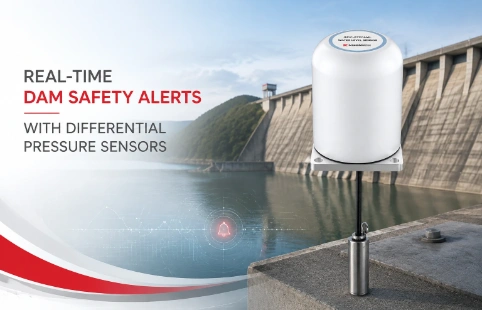
Real-Time Dam Safety Alerts with Differential Pressure Water Level Sensors
Key Takeaways An alert chain needs more than a sensor: define field in...

Inductive Displacement Sensors That Hold Up in the Field
Displacement monitoring often comes down to one thing: can the sensor survive the job site? Kingmach builds inductive displacement sensors for geotechnical work where dust, water, and vibration are part of the daily routine. These sensors use a non-contact inductive measuring principle, so there is no mechanical wear from sliding parts. The output is stable over long periods, which matters when you are tracking slow ground movements or structural shifts over months or years. Rather than a one-size-fits-all catalog, we work with project specs to adjust cable lengths, mounting threads, and signal outputs to fit the actual installation. Our distribution partners in several regions also keep spares and accessories within reach, so lead times stay short when you need replacements. The result is a sensor you can install and largely forget about, except when data shows something worth paying attention to.
Technical Detail
Most inductive displacement sensors on the market are designed for clean factory floors. Kingmach takes a different route: these sensors are built around field reality. The housing is sealed to IP67 or better, and the electronics are potted to handle condensation and rapid temperature swings. Standard ranges cover from a few millimeters up to 200 mm, with linearity typically within ±0.1% of full scale. For projects that need non-standard ranges or output curves, we can tweak the coil design and calibration without a full custom development cycle. Common configurations include spring-loaded plunger tips for direct contact with concrete or rock surfaces, or threaded bodies that mount easily on steel brackets. The signal output options—4-20 mA, 0-10 V, or RS485 digital—connect directly to most dataloggers used in geotechnical monitoring networks. Because many monitoring campaigns run on tight budgets, we keep the sensor cost competitive without cutting corners on temperature compensation or connector reliability. Installers often comment that the M12 connector orientation and extra-length cable pigtails save them from having to redo conduit runs on site. After deployment, readings typically show drift under 0.1% per year, so you spend less time recalibrating and more time interpreting the data. When a project requires custom documentation, such as individual calibration certificates or specific test reports, our engineering team can provide that without delaying shipment. This mix of practical toughness, configurable parameters, and serviceable technical support has put our sensors into dam monitoring, bridge pier movement studies, and deep excavation projects across multiple continents. We do not try to compete on headline specifications alone; the value is in a sensor that works the same in month twelve as it did after the first rainstorm.
News
Key Takeaways An alert chain needs more than a sensor: define field in...
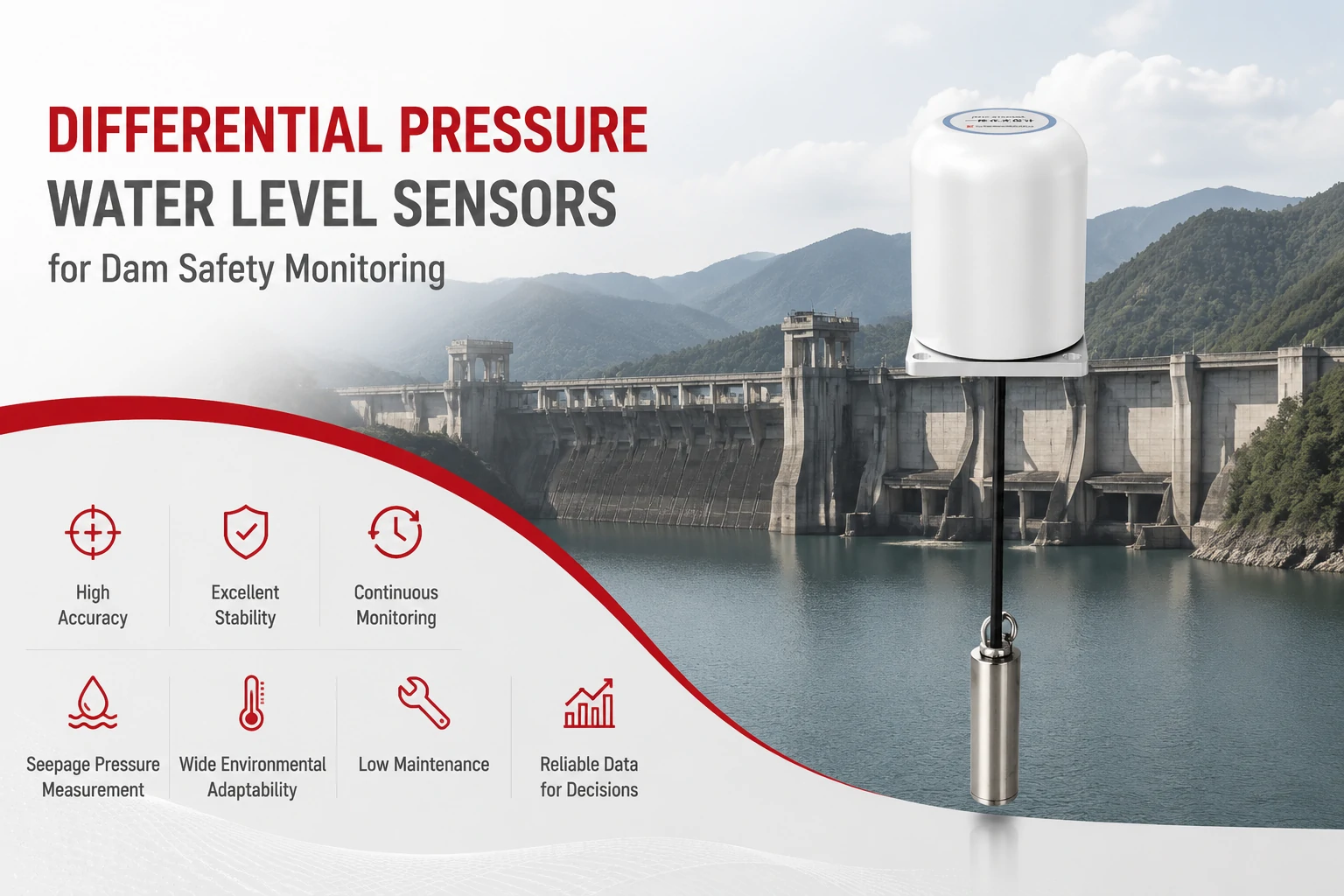
Key Takeaways The strongest fit is usually a confined, submerged, or s...
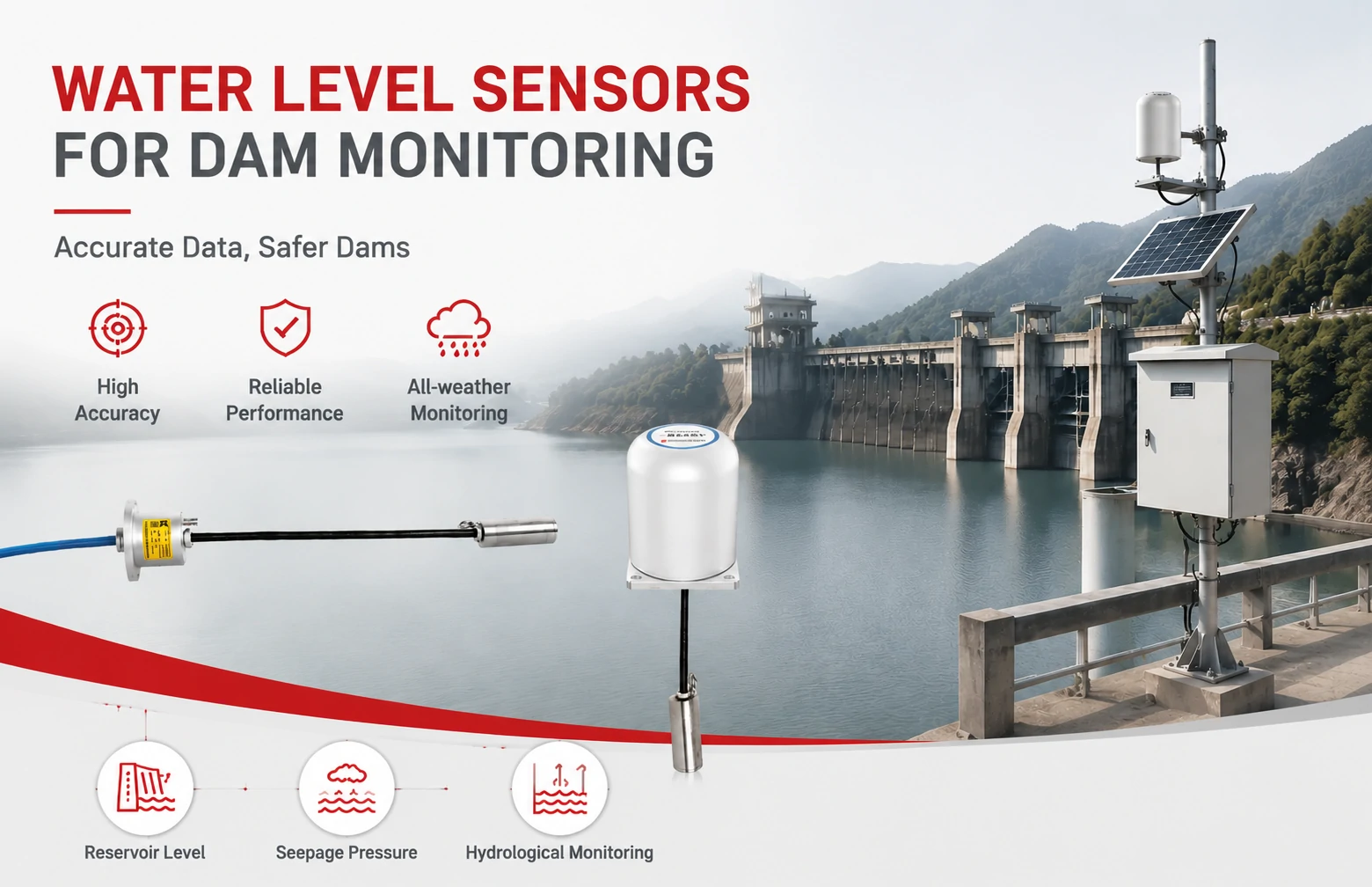
Kingmach Water Level Sensors for Dam Monitoring: A Buyer's Guide to Differential Pre...
Products
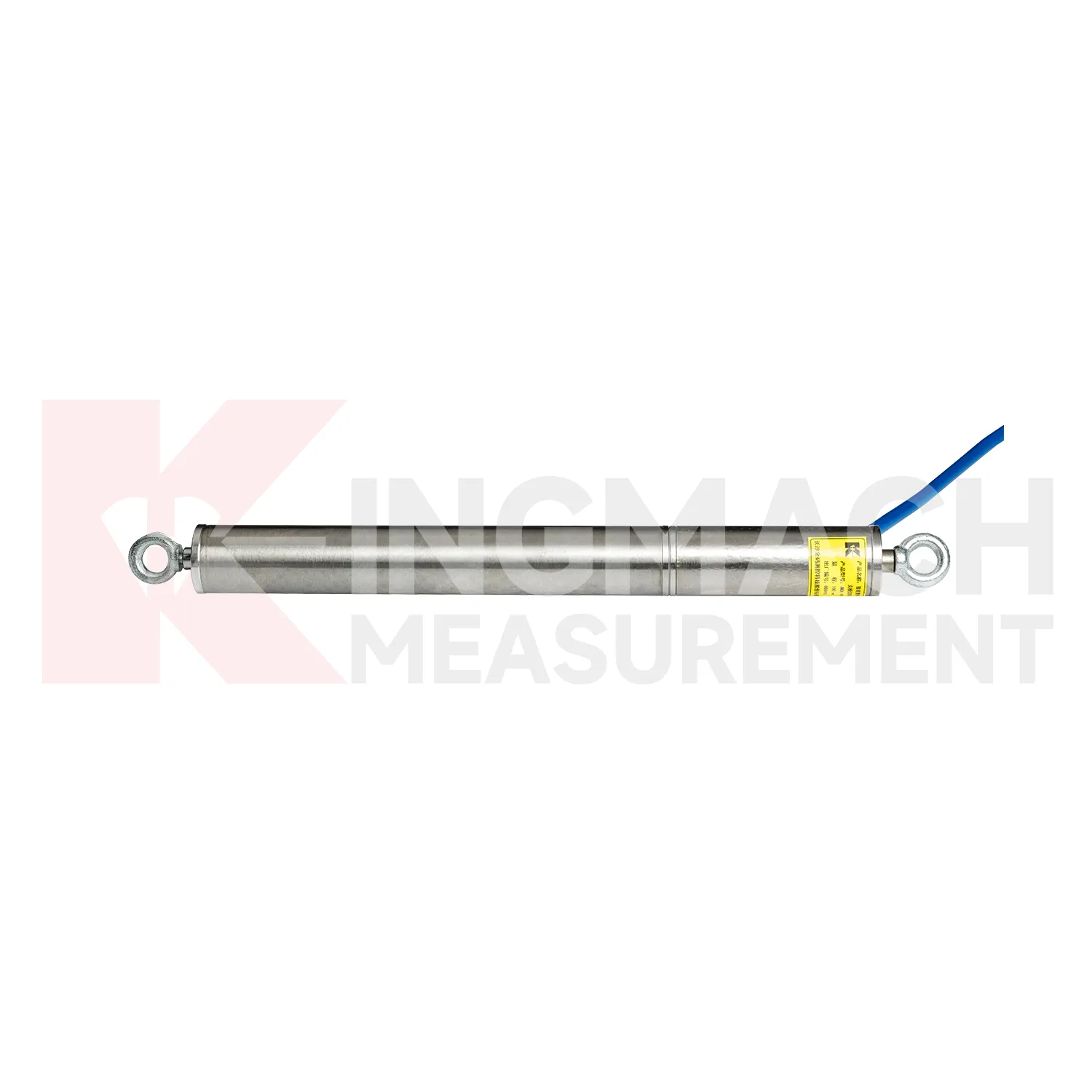
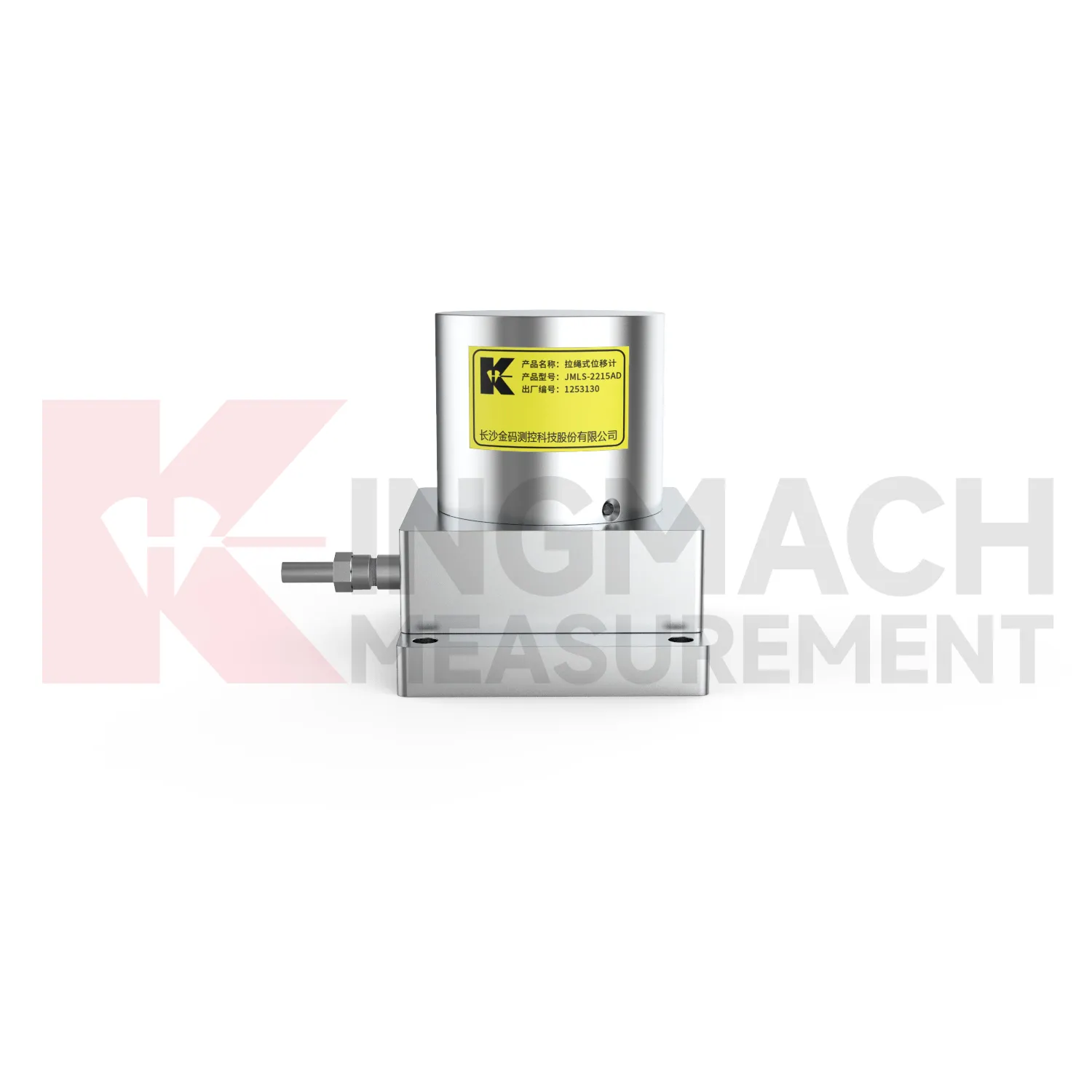
Smart Formwork Displacement Meter/ Steel Wire Displacement Meter JMDL-49XXAT
View Details
FAQ
Both use electromagnetic induction, but an inductive displacement sensor typically measures the change in inductance of a coil as a metal target moves. An LVDT uses a transformer configuration with a movable core. For outdoor monitoring, we often prefer the inductive type because it can be built with a simple, robust plunger and requires less signal conditioning in the field.
It depends on the frequency. Our sensors are primarily designed for static or slowly changing displacements, with a typical bandwidth up to a few hundred hertz. For true vibration monitoring, eddy current probes or accelerometers are usually a better fit. We can discuss your specific dynamic range before specifying a sensor.
Most of our geotechnical customers run 4-20 mA because it handles long cable runs and is easy to troubleshoot. For sites with very long cables or noisy environments, the RS485 digital output avoids signal drop. We can supply the sensor with any of these options and include Modbus protocol details for the digital version.
Every sensor leaves the factory with a calibration sheet. Zero drift is typically under 0.1% of full scale per year if the sensor is not overstressed. We recommend an annual field check using a known displacement fixture, and we offer recalibration service if needed.
Share your product type, target capacity, and application requirements. Our team can review the details and recommend a practical next step.
If you are interested in our products or want to become our partner.
Please leave your contact information, our team will contact you as soon as possible.
Mail: [email protected]
Contact Us: +8613808434127
Address: No. 188 Tongzipo West Rd, Changsha, Hunan, China